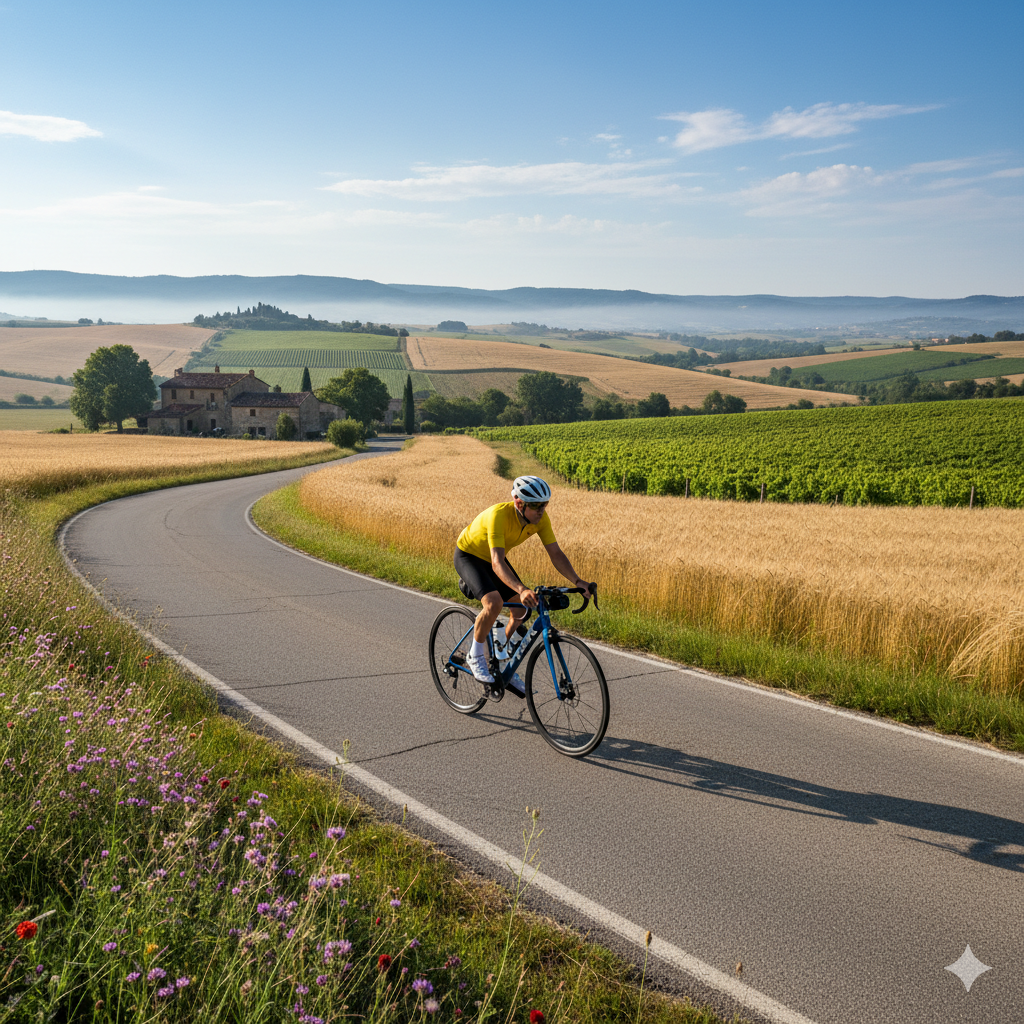
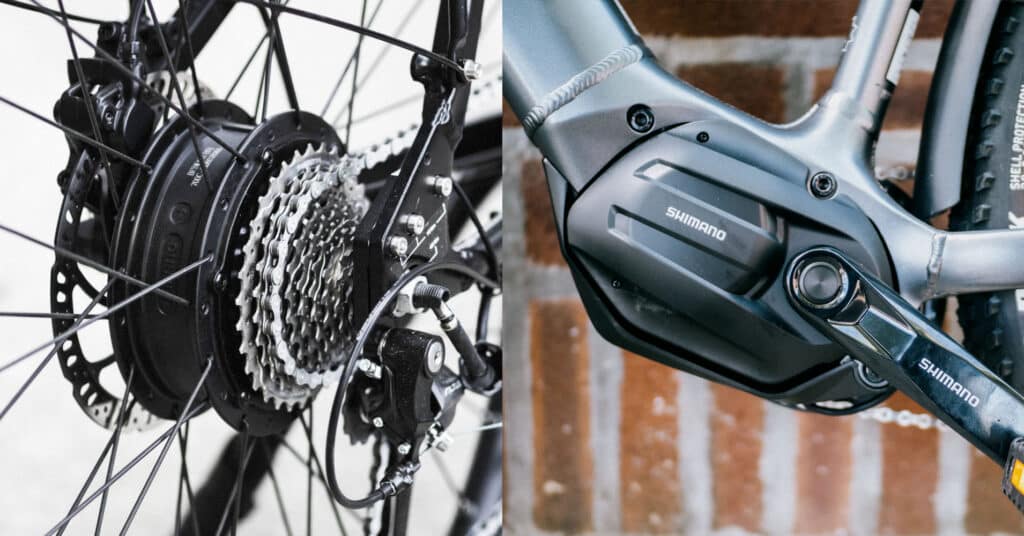
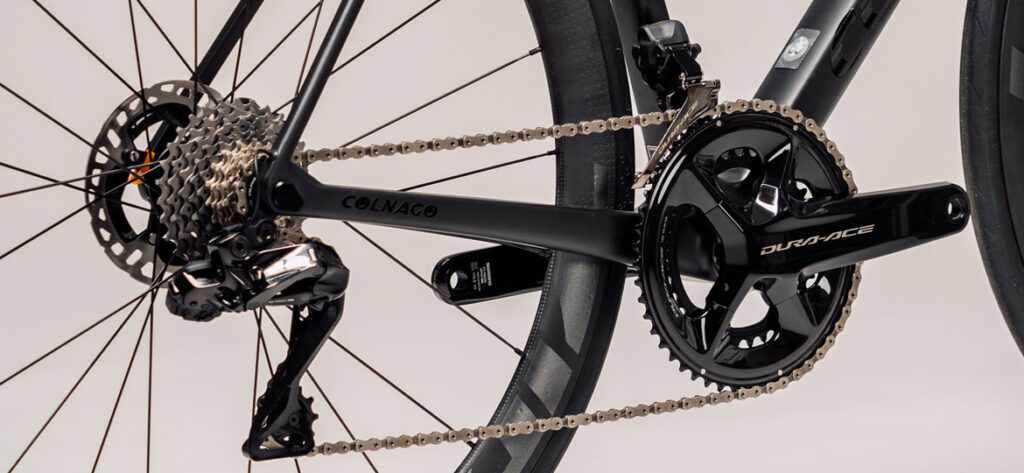
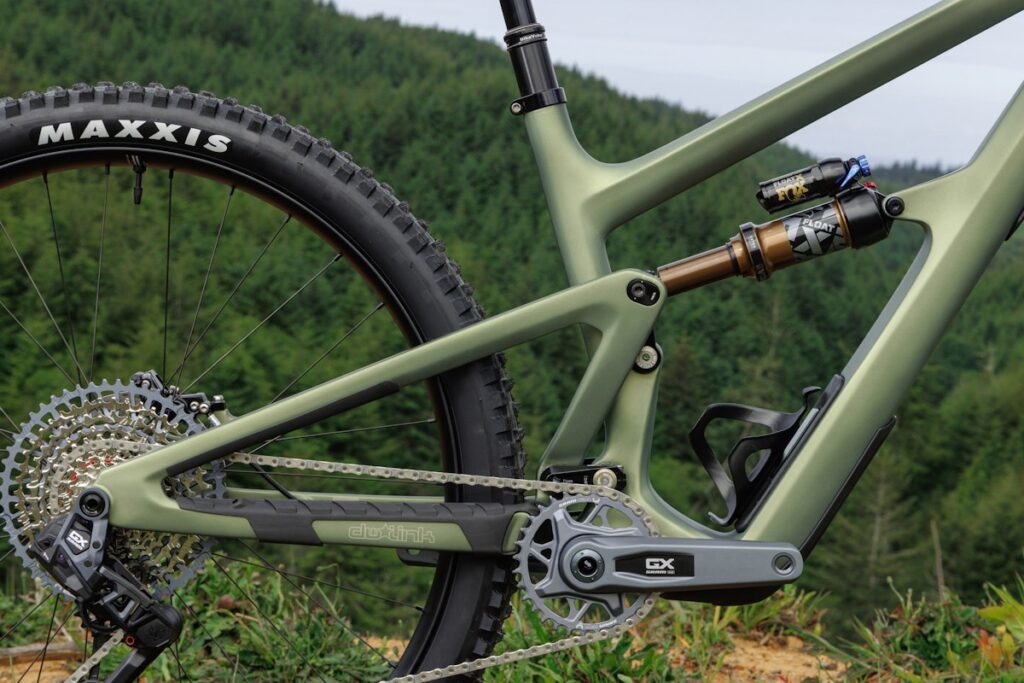
Road bikes and gravel bikes have evolved into two of the most important categories in cycling, each with its own strengths, ride feel, and ideal terrain. But in 2026, the line between them has also blurred. Modern road bikes now offer more tire clearance and comfort, while gravel bikes have become faster, lighter, and more aerodynamic. Riders trying to choose between them often face a real dilemma: Do you want pure speed on pavement, or versatility across mixed terrain? The best answer depends entirely on how and where you ride.
This guide breaks down every meaningful difference — geometry, handling, comfort, tires, gearing, terrain capability, and real-world rider fit — so you can confidently choose the bike that matches your riding style, goals, and environment.
Key Takeaways
- Road bikes excel on smooth pavement, offering maximum speed, efficiency, and aerodynamic performance.
- Gravel bikes prioritize versatility, comfort, stability, and mixed-surface capability.
- Gravel bikes have wider tire clearance, more relaxed geometry, and mounts for adventure gear.
- Road bikes optimize stiffness and aerodynamics, making them ideal for fitness, racing, and group rides.
- Gravel bikes handle rough pavement, dirt, and light trails that road bikes can’t.
- Your terrain and goals determine the right choice — not marketing categories.
1. Geometry Differences: Speed vs. Stability
Geometry is the foundation of how each bike handles. In 2026, the distinctions remain clear.
Road Bike Geometry
Designed for efficiency and responsiveness:
- Shorter wheelbase
- Steeper head tube angle
- Longer reach and lower stack
- Aggressive position for aerodynamics
- Quick steering for fast cornering
Ride Feel
Snappy, reactive, and optimized for high speeds. Great for riders who like precision and efficient power transfer.
Gravel Bike Geometry
Built for stability and comfort on variable terrain:
- Longer wheelbase for confidence on rough surfaces
- Slacker head tube angle
- Higher stack and shorter reach
- Longer chainstays for tire clearance and stability
- Lower bottom bracket for cornering stability
Ride Feel
Stable, forgiving, and predictable — especially on dirt, loose gravel, and uneven terrain.
2. Tire Size and Clearance
Road Bikes
Typical range: 25–32mm
High-volume endurance road bikes may clear 34–38mm, but that’s still narrow compared to gravel.
Gravel Bikes
Typical range: 38–50mm
Some adventure gravel bikes clear 55–60mm or even 29×2.0” tires.
Why It Matters
- Wider tires = better comfort, grip, and stability on rough terrain.
- Narrower tires = better aerodynamics and lower rolling resistance on pavement.
If your routes include any meaningful unpaved sections, gravel bikes provide far greater traction and comfort.
3. Frame and Fork Design
Road Bikes
Frames prioritize stiffness, lightweight construction, and aerodynamic tube shaping. Forks often have narrow crowns and tighter clearances for aero efficiency.
Typically Feature
- Carbon or lightweight alloy frames
- Aero profiles (Kammtail shapes)
- Minimal mounting points
- Clearance primarily for road tires
Gravel Bikes
Frames emphasize versatility, compliance, and rugged terrain durability.
Typically Feature
- Larger tire clearance
- More relaxed tube shapes
- Extra mounts for bottles, bags, racks, and accessories
- Stronger forks designed for wider tires and off-road loads
Some premium gravel bikes now integrate aero shaping, but still remain more robust than road bikes.
4. Handling and Ride Feel
Road Bike Handling
- Quick turn-in
- High responsiveness to rider input
- Best suited for smooth surfaces
- Narrow bars for aero positioning
Ideal for:
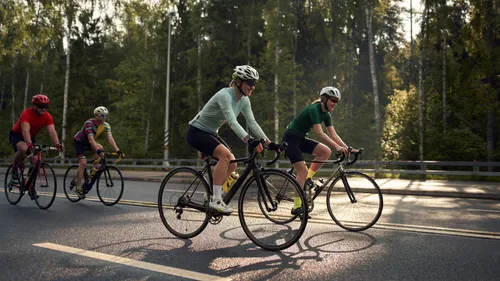
- Group rides
- Racing
- Fast fitness riding
- Long smooth climbs
Gravel Bike Handling
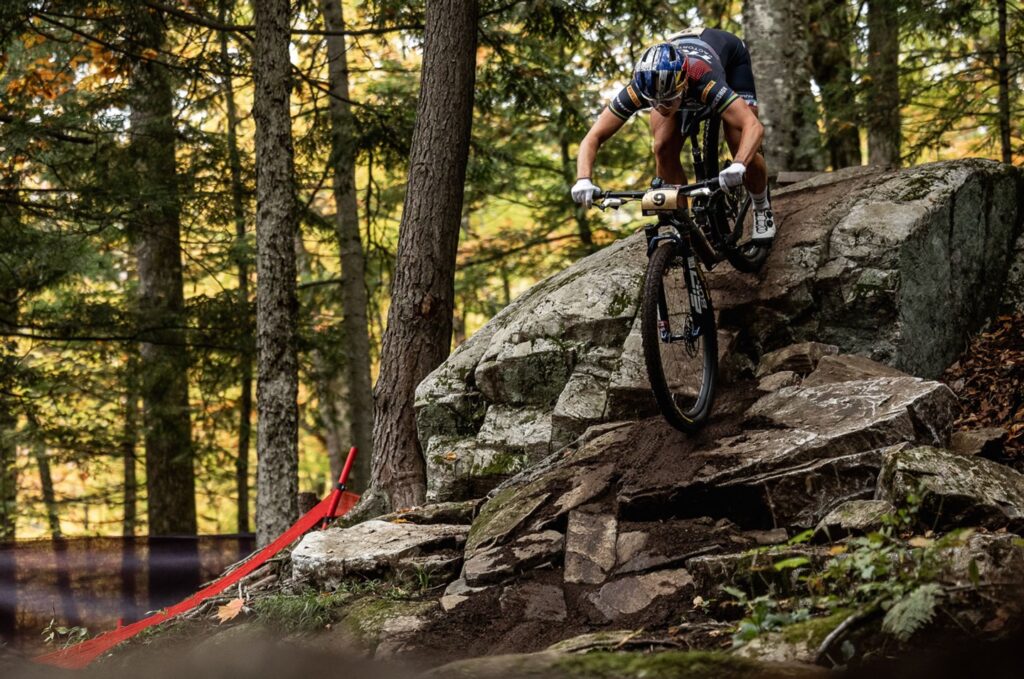
- More stable on loose surfaces
- Slower, more predictable steering
- Wider handlebars for control
- Tuned for comfort over rough terrain
Ideal for:
- Mixed-surface adventures
- Dirt roads and farm tracks
- Bikepacking and all-day rides
- Stability on long descents
5. Drivetrain & Gearing Differences
Road Bikes
Typically use:
- 2×11 or 2×12 drivetrains
- Tighter gear spacing for smooth cadence on fast roads
- Higher gear ratios for descents and racing
Gravel Bikes
Typically use:
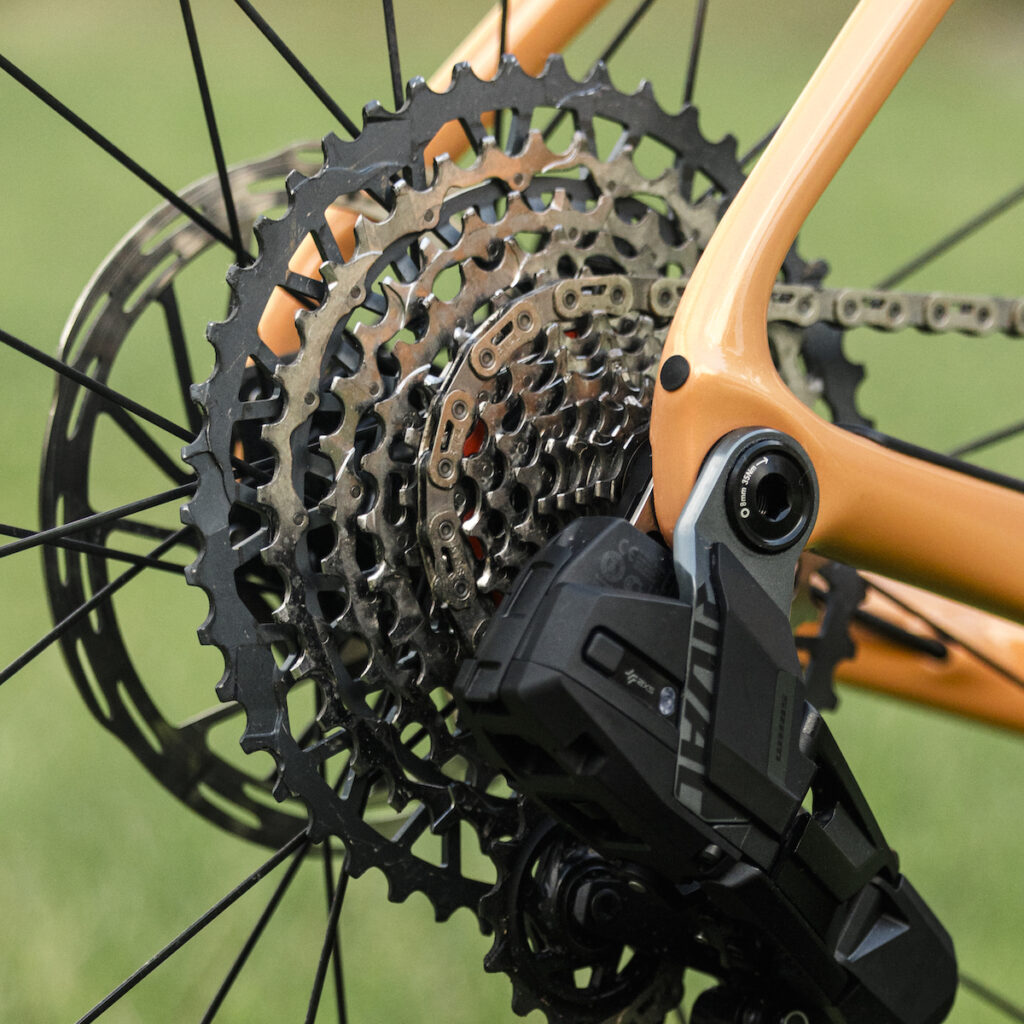
- 1×11 or 1×12 for simplicity
- Wide-range cassettes (10–50T or 10–52T)
- Lower climbing gears for loose, steep terrain
Many modern gravel bikes support dropper posts, which road bikes typically do not.
6. Suspension and Compliance Features
Road Bikes
Rely on frame flex, carbon layup tuning, and wider tires for comfort. Very few road bikes use suspension.
Gravel Bikes
More variety:
- Built-in flex zones (seatstays, seatposts)
- Mini-suspension forks (e.g., RockShox Rudy, Fox AX)
- Suspension stems
- Dropper posts
- Higher-volume tires
This makes gravel bikes significantly more forgiving on rough terrain.
7. Weight Differences
Road Bikes
Typically lighter: 16–20 lbs for most mid- to high-end models.
Gravel Bikes
Generally 1–3 lbs heavier due to:
- Wider tires
- Stronger frames
- More mounting points
- Thicker components
- Clearance for rough terrain
Weight matters less on gravel where stability and traction dominate.
8. Ideal Use Cases: Which Should You Choose?
Choose a Road Bike If You:
- Ride almost exclusively on pavement
- Want maximum efficiency and speed
- Join group rides or plan to race
- Prefer fast acceleration and snappy handling
- Ride long distances on smooth roads
Road bikes remain unmatched for pure on-road performance.
Choose a Gravel Bike If You:
- Ride mixed surfaces (pavement + gravel + dirt)
- Value comfort and stability on rough terrain
- Want one bike that can handle nearly anything
- Are interested in bikepacking or adventure riding
- Ride in regions with cracked pavement or rural roads
Gravel bikes are the most versatile drop-bar option available.
9. Can One Bike Do Both? (The 2026 Reality)
Modern endurance road bikes and “all-road” gravel bikes have created some overlap. Many riders now choose a gravel bike with:
- 40mm tires (normal)
- 32–35mm road tires (second wheelset)
Swap wheelsets → one bike becomes two.
This versatility is why gravel bikes have gained so much popularity.
10. Pros & Cons
Road Bike Pros
- Fastest on pavement
- Lightest drop-bar option
- Best for group rides
- Highly efficient climbing
Road Bike Cons
- Limited terrain capability
- Less comfortable on rough surfaces
- Minimal mounting options
Gravel Bike Pros
- Extremely versatile
- Comfortable on long rides
- Handles dirt, gravel, and pavement
- Support for accessories and adventure riding
Gravel Bike Cons
- Slower on smooth pavement
- Heavier than road bikes
- Handling less sharp at high speeds
Verdict: Which Should You Choose?
If your riding is almost entirely on pavement, and you value speed, efficiency, and crisp handling, a road bike is the right choice. Modern road bikes are fast, lightweight, and optimized for smooth-surface performance. They shine in group rides, long road climbs, and fitness training.
If your riding includes mixed surfaces, rural roads, unpaved routes, or you want a bike that can adapt to many situations, a gravel bike is the better option. Gravel bikes offer comfort, stability, and versatility — making them ideal for riders who want freedom to explore terrain that road bikes can’t handle.
For many riders in 2026, a gravel bike with a secondary wheelset delivers the best balance of speed and versatility. But the decision ultimately comes down to the terrain you ride and the experience you want on the bike.
FAQ
Are gravel bikes slower than road bikes?
Yes, on smooth pavement. Wider tires and relaxed geometry reduce aerodynamic efficiency.
Can you use a gravel bike for road riding?
Absolutely — especially with a second wheelset or faster tires (28–35mm).
Are road bikes comfortable?
Modern endurance road bikes are comfortable on pavement, but still harsher than gravel bikes on rougher surfaces.
Can you race on a gravel bike?
You can race local road events, but serious road racing still favors road bikes.
What tires do gravel bikes use?
Typically 38–50mm, or even 2.0” on adventure models.
Are gravel bikes good for beginners?
Yes. Their stability and comfort make them beginner-friendly.
Related Content:
- Best Budget Road Bikes
- Best Road Bikes Guide
- How To Lube A Bike Chain
- Best Gravel Bikes Guide
- Best Gravel E-Bikes Guide
Why Trust This Guide?
BestBikeBrands is built by lifelong cyclists with decades of real-world experience — in the shop, on the trail, and behind the wrench. Our goal is simple: to help riders choose the best bikes and gear with confidence, backed by expert insights and hands-on testing. Learn more about us →