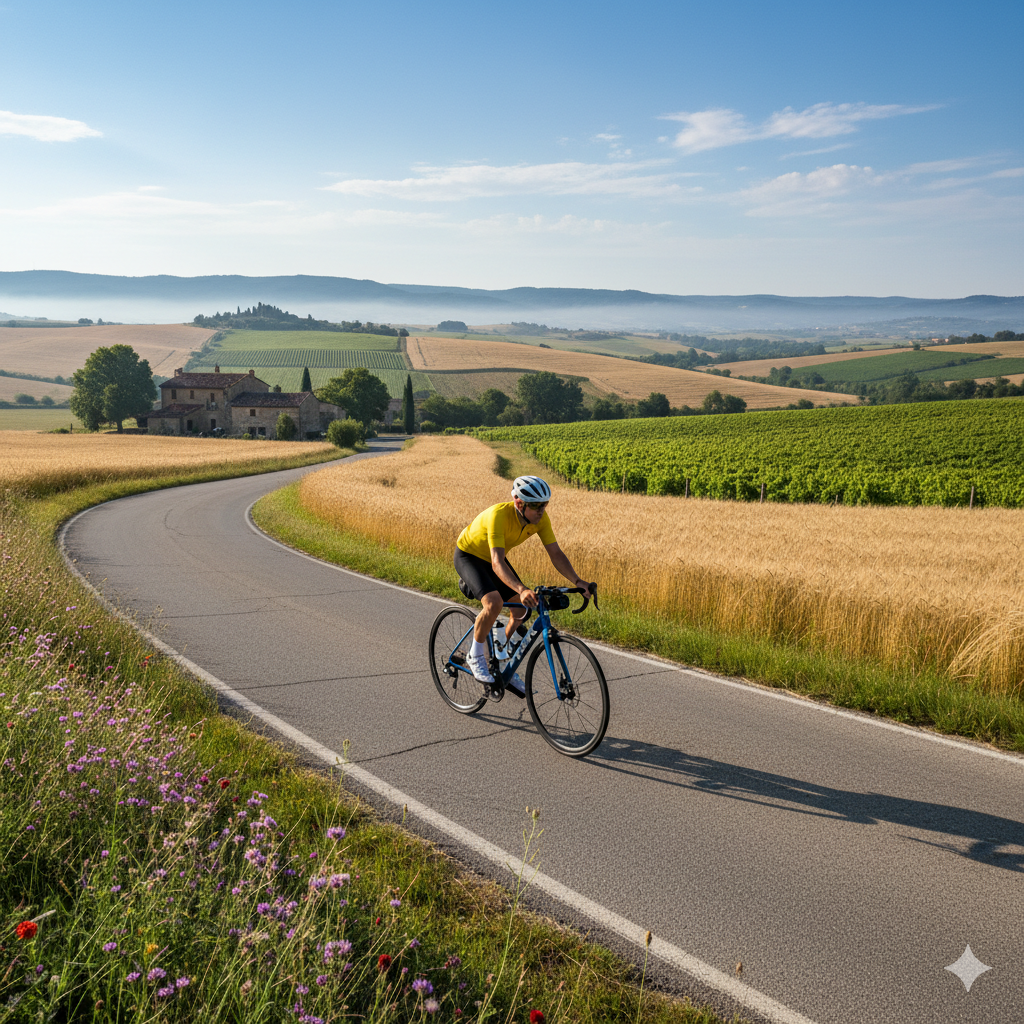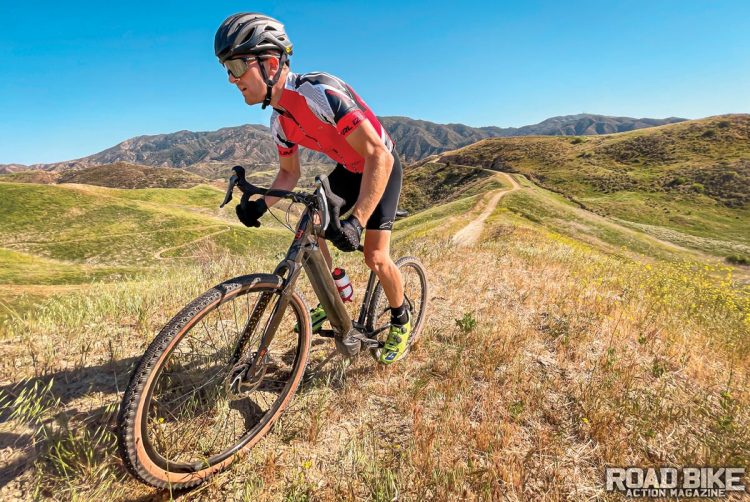
Gravel riding has always been about freedom—long routes, mixed surfaces, and the ability to keep going when the pavement ends. By 2026, gravel e-bikes have become one of the most compelling ways to ride that kind of terrain. They don’t replace traditional gravel bikes; they expand what’s possible. Longer days, steeper climbs, heavier loads, and routes that would normally demand elite fitness are suddenly realistic for more riders.
What’s changed in the last few years isn’t just motor technology. Geometry has settled, weight distribution has improved, and manufacturers finally understand that a gravel e-bike shouldn’t feel like a detuned mountain bike or an overbuilt commuter. The best gravel e-bikes of 2026 feel like real gravel bikes first—stable, efficient, and comfortable—with electric assist working quietly in the background.
This guide covers the best gravel e-bikes for 2026, what separates them from other e-bike categories, and how to choose one that matches your riding style—whether that’s all-day adventure rides, bikepacking, fast mixed-surface training, or replacing a car for long rural commutes.
What Defines a True Gravel E-Bike
Not every e-bike with drop bars belongs in this category. A proper gravel e-bike balances efficiency, handling, and assist in a way that still feels like riding—not being pushed.
Key traits include:
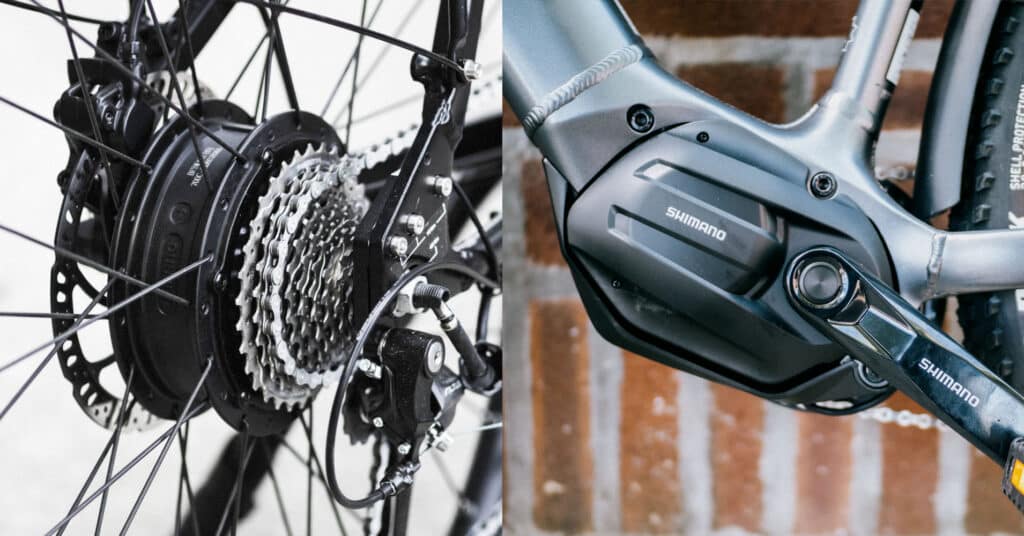
- Mid-drive motors with smooth, torque-based assist
- Moderate tire clearance (40–50 mm typical)
- Stable but lively geometry for mixed surfaces
- Lower system weight than trekking or MTB e-bikes
- Mounting points for bags, racks, and bottles
The goal isn’t brute power. It’s endurance, traction, and control over long, variable terrain.
Why Gravel E-Bikes Make Sense
Three trends have pushed this category forward:
- Better motors at lower weights
Modern mid-drives deliver natural-feeling assistance without overpowering the ride. - Battery integration without bulk
Internal batteries and optional range extenders allow long rides without turning bikes into tanks. - Riders redefining “distance”
Gravel e-bikes are being used for 80–120 mile mixed-surface days, bikepacking, and ultra-endurance events—not just short rides.
In other words, these bikes are tools for exploring farther, not shortcuts around effort.
Best Gravel E-Bikes
Best Overall Gravel E-Bike: Specialized Turbo Creo 2 Comp E5
The Turbo Creo line has been the benchmark for years, and by 2026 it remains the most balanced gravel-focused e-bike available. It doesn’t feel like an e-bike unless you ask it to.
The motor assist is smooth and quiet, adding just enough help on climbs and into headwinds without changing how the bike handles. Geometry is stable but still quick, and the aluminum E5 version keeps the price and durability in check without sacrificing ride quality.
Why it stands out
- Extremely natural pedal assist
- Excellent weight balance
- Handles like a true gravel bike
- Optional range extender for long days
Best for: riders who want the closest thing to a traditional gravel ride with a safety net on climbs.
Best Premium Gravel E-Bike: Riese & Müller Supercharger GT Rohloff
This is gravel e-biking taken to its logical extreme. The Supercharger GT isn’t light, but it’s exceptionally capable. Dual batteries deliver massive range, and the Rohloff hub drivetrain is nearly indestructible.
While it leans more toward expedition and touring than fast gravel, it’s unmatched for riders who want to disappear for days at a time on mixed terrain.
Strengths
- Enormous range
- Ultra-reliable drivetrain
- Stable under heavy loads
Trade-offs
- Expensive
- Heavy
- Overkill for casual gravel riding
Best for: expedition riders, heavy bikepacking, and replacing a car for long rural routes.
Best Lightweight Gravel E-Bike: Orbea Gain M30
The Orbea Gain continues to appeal to riders who want minimal assist and maximum ride feel. It’s one of the lightest gravel-capable e-bikes on the market, and that shows the moment the motor is off.
Assist is subtle, designed to flatten climbs rather than dominate them. For riders coming from acoustic gravel bikes, the Gain feels familiar and intuitive.
Why riders choose it
- Very low system weight
- Clean, traditional gravel geometry
- Excellent fit and finish
Limitations
- Less raw power than heavier systems
- Smaller battery
Best for: experienced gravel riders who want help on long days, not a motor-driven experience.
Best Value Gravel E-Bike: Canyon Grizl:ON CF 7
Canyon’s Grizl:ON brings real gravel geometry and strong component spec at a price that undercuts many competitors. It’s stiffer and more aggressive than touring-oriented options, and it rewards riders who like to push the pace.
The motor system delivers confident torque on steep climbs without feeling abrupt, and the bike handles rough gravel surprisingly well for its weight.
Best for: riders who want performance-oriented gravel riding without premium pricing.
Best Gravel E-Bike for Bikepacking: Trek Domane+ ALR
The Domane+ ALR sits at the intersection of endurance road and light gravel. While not designed for extreme terrain, it excels at long mixed-surface days with bags and gear.
Stability, comfort, and predictable handling make it a strong choice for riders prioritizing distance over speed.
Best for: light bikepacking, endurance gravel, and long mixed-surface routes.
Gravel E-Bikes vs Other E-Bike Categories
Compared to E-MTBs
- Lighter
- Faster on open roads
- Less capable on technical trails
Compared to Trekking / Hybrid E-Bikes
- More efficient geometry
- Better handling on gravel
- Less upright, more performance-focused
Compared to Acoustic Gravel Bikes
- Heavier
- Slightly muted road feel
- Dramatically expanded range and climbing ability
What to Look for When Buying a Gravel E-Bike
Motor Behavior
Smooth, torque-based assist matters more than peak wattage. Gravel riding rewards consistency.
Battery Strategy
Internal batteries keep weight down; range extenders add flexibility for long rides.
Tire Clearance
Aim for at least 45 mm if you ride rough gravel or loaded.
Mounting Options
Bikepacking and gravel go hand-in-hand—eyelets matter.
Fit and Geometry
Endurance-oriented gravel geometry works better for long e-assisted rides than race-sharp setups.
Maintenance Reality
Gravel e-bikes demand:
- Regular drivetrain cleaning (dust and grit add up fast)
- Brake inspections due to higher system weight
- Firmware updates for motor systems
- Attention to tire pressure—small changes matter off-road
They’re not fragile, but they reward attentive ownership.
Quick Comparison Snapshot
| Model | Assist Style | Range Focus | Best Use |
|---|---|---|---|
| Specialized Turbo Creo 2 | Natural, smooth | Long rides | Best overall |
| Orbea Gain | Minimal assist | Lightweight | Traditional gravel feel |
| Canyon Grizl:ON | Strong mid-drive | Performance | Best value |
| Trek Domane+ ALR | Stable assist | Endurance | Bikepacking |
| R&M Supercharger GT | High torque | Maximum range | Expedition |
Who Should Choose a Gravel E-Bike
Great fit for:
- Riders tackling long mixed-surface routes
- Climby gravel terrain
- Bikepacking and adventure riding
- Aging riders who still want big days
- Training volume without excessive fatigue
Not ideal for:
- Technical singletrack
- Lightweight race priorities
- Riders seeking throttle-style power
Closing Thoughts: Gravel E-Bikes in 2026
Gravel e-bikes aren’t about cheating climbs or replacing fitness. They’re about expanding the map. In 2026, the best models preserve everything riders love about gravel riding—flow, efficiency, connection to the terrain—while quietly removing barriers of distance, elevation, and fatigue.
If you want the most natural ride experience, the Specialized Turbo Creo remains the standard. For lightweight purists, Orbea’s Gain delivers subtle assistance without changing the feel of the bike. And for riders chasing performance at a lower price, Canyon’s Grizl:ON continues to impress.
A good gravel e-bike doesn’t take away effort—it makes more of the ride possible.
Related Content:
- Specialized Bike Review
- Best Road Bikes Guide
- Cannondale Bikes Review
- Best Gravel Bikes Guide
- Best E-Bike Brands Guide
Why Trust This Guide?
BestBikeBrands is built by lifelong cyclists with decades of real-world experience — in the shop, on the trail, and behind the wrench. Our goal is simple: to help riders choose the best bikes and gear with confidence, backed by expert insights and hands-on testing. Learn more about us →