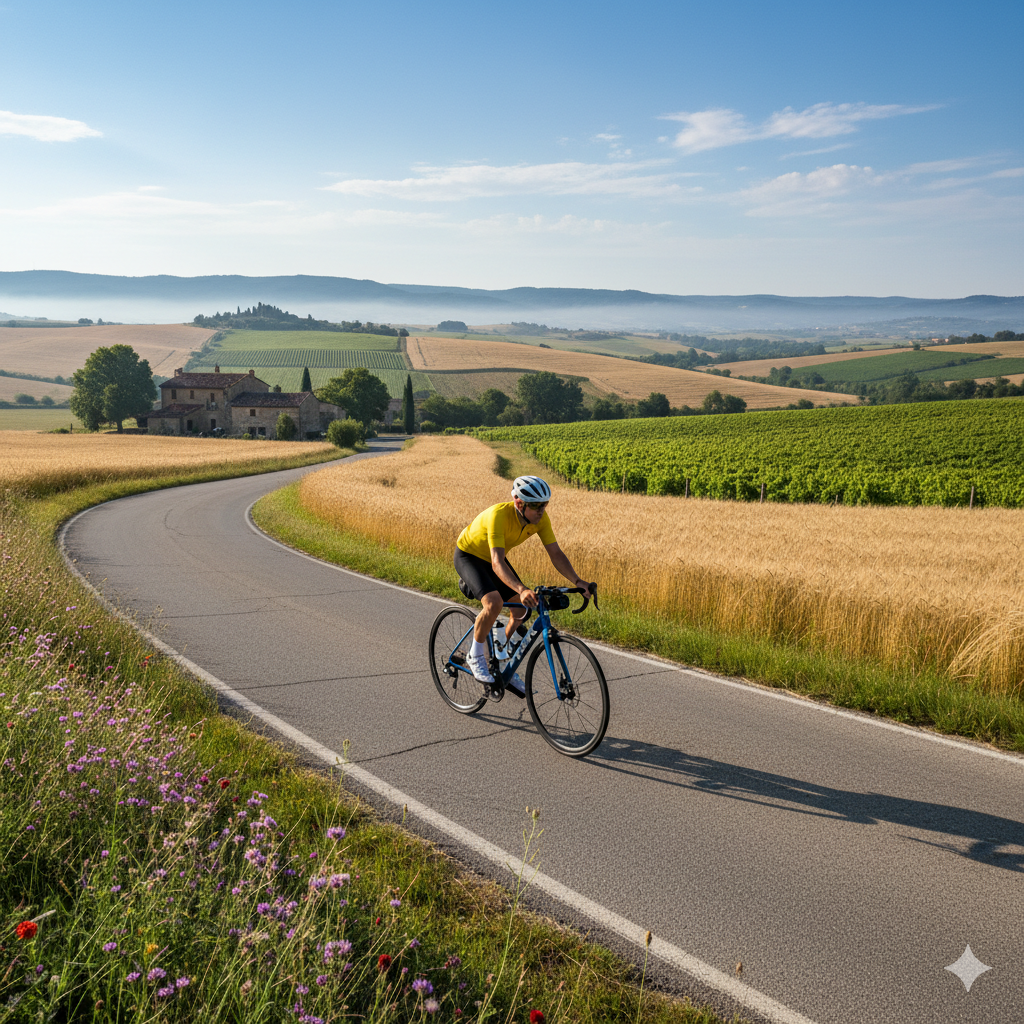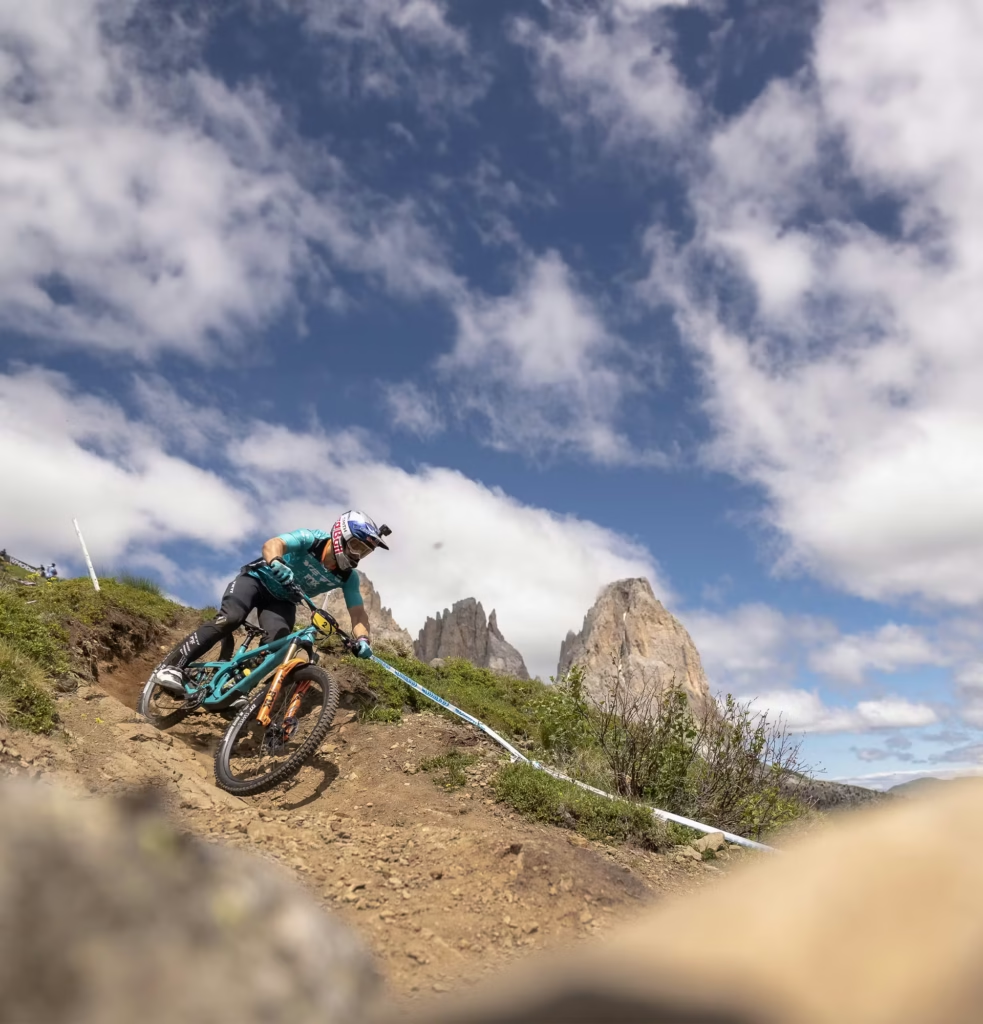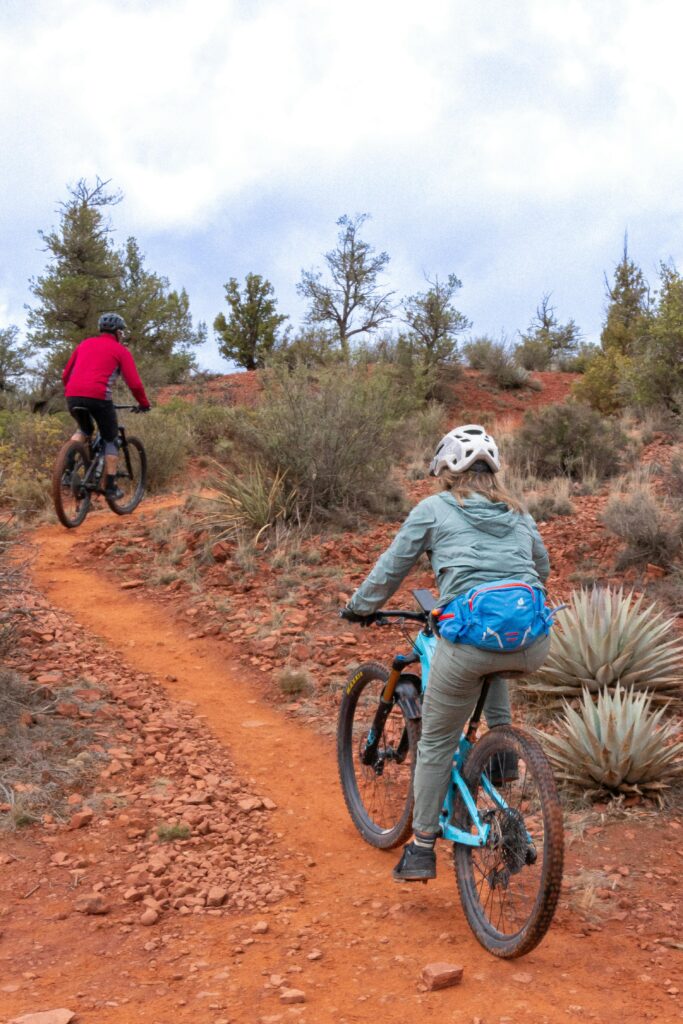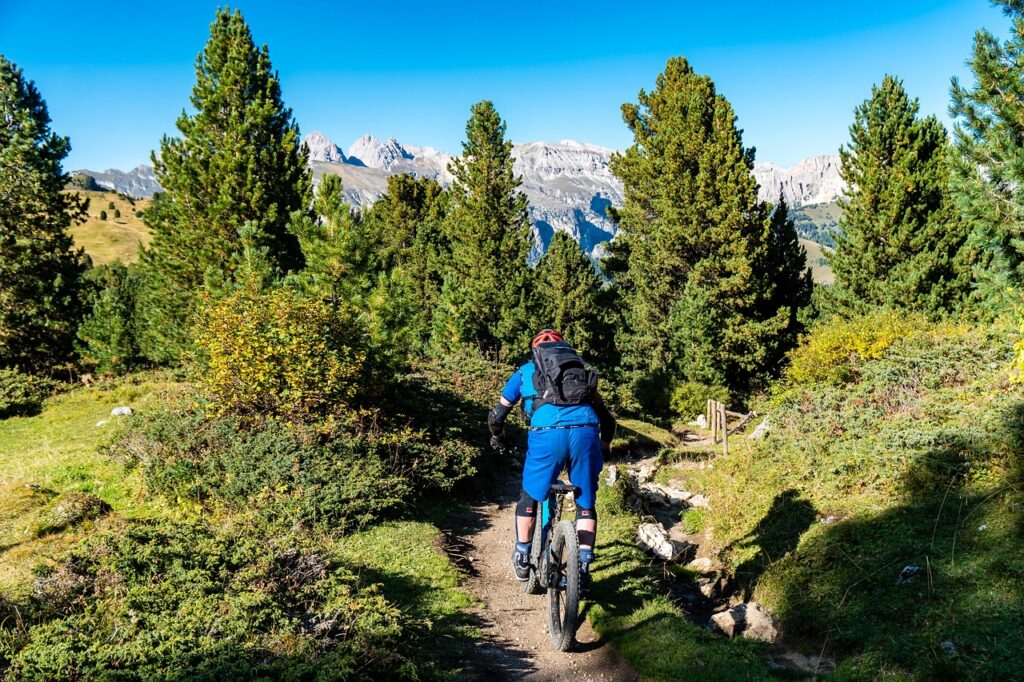
Gravel riding isn’t new anymore. It’s no longer a workaround for riders who didn’t fit neatly into road or mountain biking. In 2026, gravel has become its own fully formed discipline — with its own expectations, design language, and compromises that actually make sense.
Early gravel bikes were essentially endurance road frames with bigger tire clearance. Then came the bikepacking era, when mounts multiplied and geometry relaxed. After that, gravel racing pulled things back toward speed. Now, all of those influences exist at the same time.
The result? Gravel bikes today are expected to do more — and do it better.
They need to roll fast on pavement, stay composed on rough dirt, accept wide tires, carry gear, and still feel good after five or six hours in the saddle. Some lean toward racing, some toward exploration, but none can afford to be one-dimensional anymore.
This guide looks at where gravel bikes actually are right now — not where marketing says they are. We’ll break down what matters in modern gravel design, highlight standout bikes by category, and help you figure out which direction makes sense for how you ride.
Why Gravel Bikes Still Matter
The reason gravel bikes didn’t fade away is simple: they solve a real problem.
A good gravel bike lets you leave your house without knowing exactly where you’ll end up — and without worrying whether your bike is the wrong tool once the pavement disappears.
That flexibility is the point.
Gravel bikes make sense because they allow you to:
- Combine pavement, dirt, fire roads, and rough paths in one ride
- Run wider tires for comfort, grip, and confidence
- Ride longer distances without the physical toll of aggressive road geometry
- Carry water, food, tools, and bags without awkward compromises
- Explore routes that would be miserable on a road bike and boring on a mountain bike
What’s changed is that gravel bikes are no longer “jack of all trades, master of none.” In 2026, they’re more specialized — just in quieter, more nuanced ways.
What Actually Matters in a Gravel Bike
Specs on paper only tell part of the story. What separates a good gravel bike from a frustrating one usually comes down to a handful of decisions that affect how the bike feels after hour three, not mile three.
Tire Clearance Is Non-Negotiable Now
If a gravel bike can’t comfortably clear at least a 45 mm tire — preferably more — it’s already behind the curve.
Wider tires don’t just mean more grip. They mean:
- Lower pressures without squirm
- Better control on washboard and loose descents
- Less fatigue over long rides
Many riders discover that moving from a 38 mm to a 45 mm tire changes their entire relationship with gravel. Clearance gives you options — and options matter more than stock tires.
Geometry Has Shifted Toward Stability
Modern gravel geometry has quietly drifted closer to mountain bike thinking:
- Slightly slacker head angles
- Longer wheelbases
- More stable front ends
This doesn’t make bikes sluggish. It makes them calmer. The best gravel bikes feel confident at speed on loose surfaces without feeling dull on pavement.
Mounts Are No Longer “Adventure Only”
Even riders who never bikepack benefit from extra mounts. More bottle bosses, top-tube mounts, and fork mounts mean flexibility — not obligation.
You might not need them today, but they’re invaluable when your riding evolves.
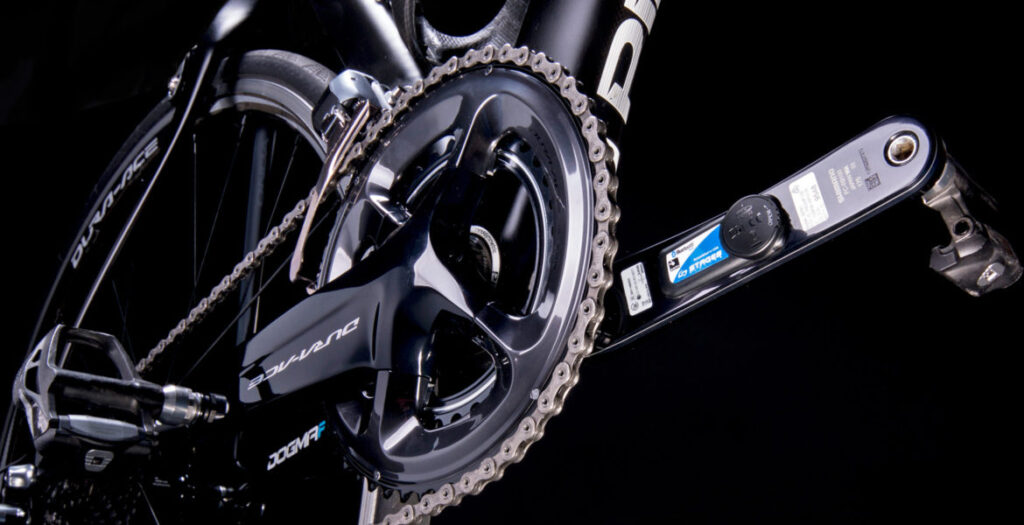
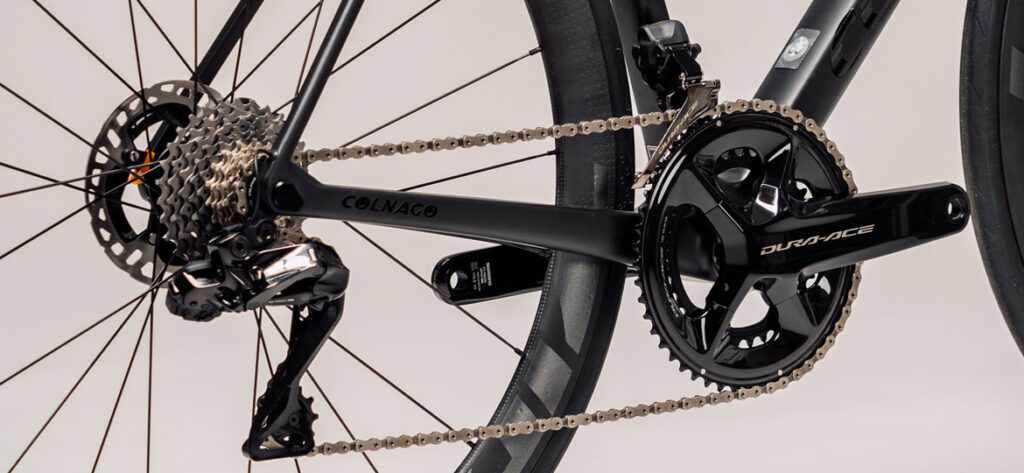
Gearing Matters More Than Weight
Gravel riding is full of awkward gradients: short, steep climbs on loose surfaces that punish narrow gearing.
That’s why wide-range gearing has become the norm:
- 1x systems with 10–44 or 10–45 cassettes
- 2x setups with genuinely low climbing gears
A bike that climbs well off-road is more enjoyable than one that saves a few hundred grams.
Standout Gravel Bikes (By Riding Style)
Rather than ranking bikes from “best” to “worst,” it makes more sense to group them by intent. Gravel riding is personal — and the best bike depends on how you use it.
Best Do-Everything Gravel Bike
Canyon Grizl CF
The Grizl CF has earned its reputation by being relentlessly practical without feeling boring.
It doesn’t chase extreme geometry or exotic features. Instead, it offers:
- Generous tire clearance
- Thoughtful mounting options
- Stable, confidence-inspiring handling
- Clean, modern carbon construction
It’s equally happy on fast group rides, solo exploration days, or loaded weekend trips. For riders who want one bike that adapts as their riding changes, the Grizl makes a strong case.
Best for: riders who want one gravel bike to cover the widest range of riding.
Best Race-Oriented Gravel Bike
Ridley ASTR RS
Gravel racing has evolved, and the ASTR RS reflects that shift.
This bike is built for speed, but not at the expense of control. Aerodynamic shaping, modern geometry, and wide tire compatibility make it fast on open courses and composed when things get rough.
It’s a reminder that racing gravel isn’t just road racing on dirt — and the best race bikes now acknowledge that.
Best for: competitive riders who prioritize speed but still need real gravel capability.
Best Adventure / Long-Distance Gravel Bike
Orbea Terra
The Terra sits in that sweet spot between endurance road and true adventure bike.
It rides efficiently on pavement but doesn’t feel nervous when the surface turns unpredictable. Mounting options are generous without being excessive, and the geometry encourages long days rather than aggressive postures.
It’s the kind of bike that invites curiosity — turn left instead of right, see where the road goes, and don’t worry about whether the bike will handle it.
Best for: riders who value range, comfort, and exploration over outright speed.
Best Endurance-Focused Gravel Platform
Giant Revolt Advanced / Silex
Giant’s gravel platforms continue to impress because they prioritize ride quality.
The Revolt, in particular, blends compliance and efficiency in a way that makes long mixed-surface rides feel manageable. It doesn’t demand constant attention or aggressive riding — it just works, mile after mile.
These bikes are often chosen by riders who ride gravel a lot, not just occasionally.
Best for: high-mileage riders who value comfort and consistency.
Best Tech-Forward / Future-Proof Gravel Bike
Argon 18 Dark Matter
The Dark Matter feels like a bike designed for riders who think long term.
Massive tire clearance, in-frame storage, clean compatibility with modern drivetrains, and no unnecessary proprietary limitations make it appealing to riders who like to tinker, upgrade, and evolve their setup over time.
It’s not flashy — it’s deliberate.
Best for: riders who enjoy building, customizing, and future-proofing their bikes.
Best Premium-Feeling All-Rounder
Santa Cruz Stigmata
The Stigmata benefits from Santa Cruz’s mountain bike DNA without feeling like a disguised MTB.
It’s stable, composed, and confidence-inspiring, especially when the surface gets rougher than expected. While it’s often overlooked in gravel discussions, riders who choose it tend to keep it for a long time.
Best for: riders who want durability, confidence, and a refined ride feel.
How to Choose Based on How You Ride
Instead of asking “What’s the best gravel bike?” ask “What frustrates me most on my current rides?”
- If you feel beat up after long days → prioritize compliance and tire clearance
- If you get dropped on fast sections → look at race-leaning geometry
- If you constantly change setups → value mounts and compatibility
- If your rides keep getting longer → comfort beats weight
There’s no wrong direction — only mismatched priorities.
Setup and Maintenance: Where Gravel Bikes Are Won or Lost
A well-chosen gravel bike can feel bad if it’s set up poorly.
- Go tubeless and run pressures lower than you think
- Check bolts regularly — vibration is real
- Clean grit early, not after it grinds away parts
- Dial saddle and bar position — comfort compounds over time
Most complaints about gravel bikes aren’t about frames. They’re about setup.
Closing Thoughts: Gravel Isn’t Settling — It’s Choosing
Gravel bikes don’t replace road bikes or mountain bikes. They replace indecision.
They let you ride where curiosity leads, not where pavement ends. And in 2026, they’re better at that than ever.
There’s no single “best” gravel bike — but there is a right one for how you ride right now, and another one you’ll want in five years when your riding evolves again.
Choose the bike that grows with you. That’s what gravel riding is really about.
Related Content:
- Best Budget Road Bikes
- Best Bike Chain Lube
- How to Wash a Bike Safely
- Best Bike Accessory Brands Guide
- Specialized Bikes Review
Why Trust This Guide
Jeffrey South is the founder of Best Bike Brands. With over 30 years in the cycling world as a shop owner, mechanic, and industry insider, he now shares reviews, guides, and insights to help riders choose the best bikes and gear with confidence.