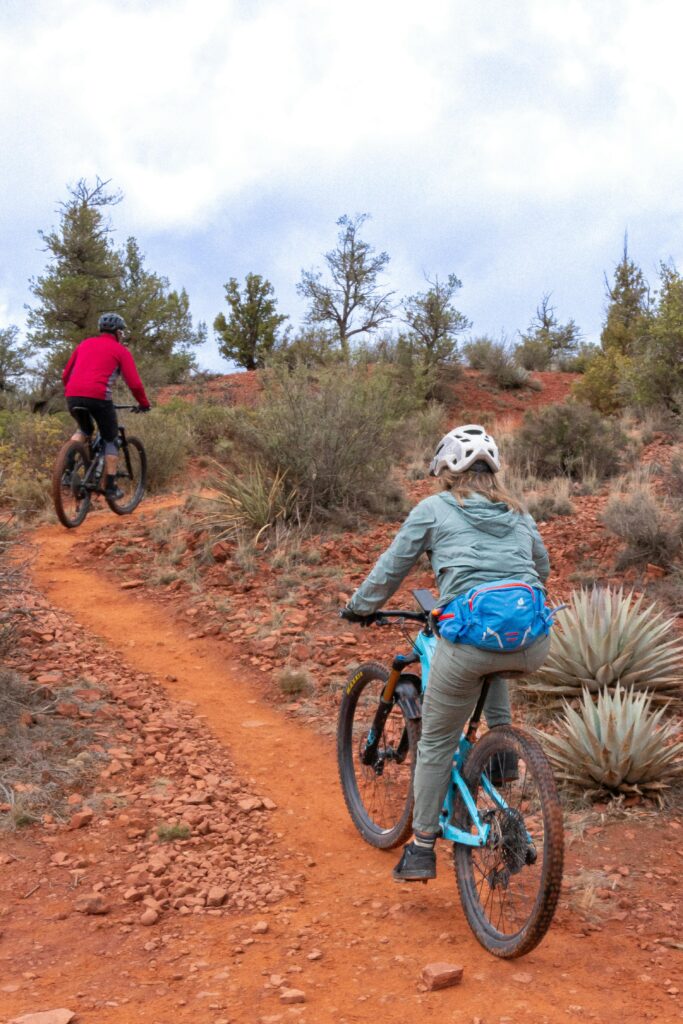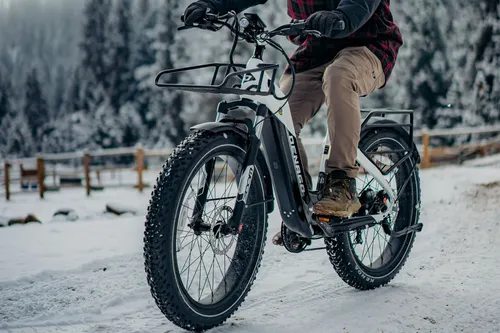
Fat tire e-bikes have moved well beyond their early reputation as novelty machines. In 2026, they’ve become one of the most versatile categories in electric cycling—capable of handling pavement, gravel, snow, sand, and broken trail systems with equal confidence. What started as a niche for beach riding and winter conditions has evolved into a go-anywhere solution for riders who value stability, traction, and comfort above outright speed.
The appeal is simple: wide tires smooth rough terrain, improve control, and inspire confidence for riders who might otherwise feel uneasy on narrow rubber. Add electric assist, and suddenly long gravel roads, soft surfaces, steep climbs, and loaded utility riding all become accessible.
This guide breaks down the best fat tire e-bikes, explains what separates good designs from gimmicks, and helps you choose a bike that fits your riding style—whether that’s commuting year-round, exploring off the beaten path, or hauling gear into places cars don’t belong.
Why Fat Tire E-Bikes Make Sense
Fat tires—typically 4 inches wide or more—fundamentally change how a bike interacts with the ground. Lower pressures increase the contact patch, which improves traction and absorbs vibration before it ever reaches the frame.
In practical terms, that means:
- More control on loose or uneven surfaces
- Better confidence for newer or heavier riders
- Improved comfort on poor pavement and gravel
- Real capability in snow, sand, and mud
By 2026, manufacturers have refined fat tire e-bikes significantly. Frames are stiffer, geometry is less awkward, and motor systems are better matched to the rolling resistance that comes with big tires.
What to Expect from a Modern Fat Tire E-Bike
Power
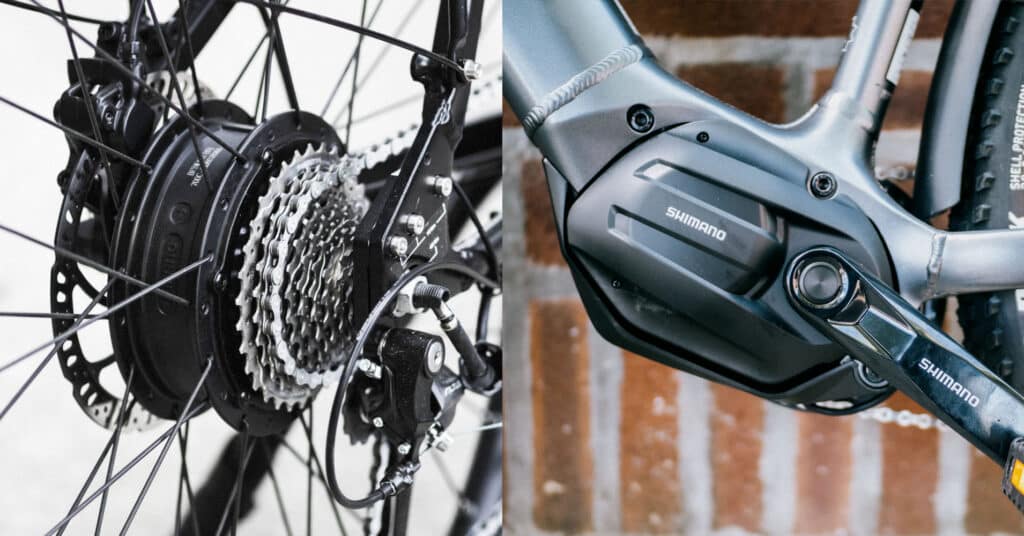
Most fat tire e-bikes use 750W rear hub motors, sometimes peaking higher. This isn’t about top speed—it’s about torque. Wide tires need more power to get moving, especially on soft terrain or climbs.
Range
Expect 35–60 miles depending on terrain, assist level, and rider weight. Fat tires increase rolling resistance, so range is typically shorter than on standard e-bikes with the same battery size.
Weight
These bikes are heavy. Most fall between 65–80 pounds, which is the trade-off for durability, stability, and traction.
Ride Feel
The best fat tire e-bikes feel planted and predictable, not floppy or vague. Geometry matters more here than on almost any other e-bike category.
Best Fat Tire E-Bikes
Best Overall Fat Tire E-Bike: Lectric XP 3.0
The Lectric XP 3.0 continues to punch well above its price point and remains one of the most approachable fat tire e-bikes on the market.
It balances power, comfort, and practicality better than almost anything else in its class. Despite being a folding bike, it doesn’t feel compromised once you’re riding.
Why it stands out
- 750W hub motor with strong hill-climbing ability
- Fat tires smooth broken pavement and gravel
- Hydraulic brakes standard
- Folding frame adds real-world utility
Best for: riders who want maximum versatility without spending premium money.
Best Premium Fat Tire E-Bike: Riese & Müller Superdelite Mountain
For riders who want fat tire capability without budget compromises, Riese & Müller delivers something entirely different.
The Superdelite Mountain uses a Bosch mid-drive system, full suspension, and dual batteries to create a fat tire e-bike that feels controlled rather than brute-force powered.
Strengths
- Exceptional ride quality
- Mid-drive efficiency and torque control
- Full suspension keeps tires planted
- Outstanding long-distance comfort
Trade-offs
- Very expensive
- Heavy
- Overkill for casual riding
Best for: serious adventure riders and those replacing a car for all-terrain transport.
Best Fat Tire E-Bike for Adventure Riding: RadRover 6 Plus
The Rad Power Bikes RadRover 6 Plus remains a benchmark for accessible adventure-focused fat tire e-bikes.
It’s not flashy, but it’s tough, stable, and designed to handle poor conditions without complaint. Upright geometry and wide tires make it approachable for a wide range of riders.
Why riders choose it
- Stable handling at low speeds
- Strong cargo compatibility
- Good aftermarket and accessory support
- Proven durability
Best for: gravel roads, camping, utility riding, and mixed terrain exploration.
Best Fat Tire E-Bike for Comfort: Aventon Aventure.2
The Aventon Aventure.2 blends comfort-focused geometry with modern electronics better than most competitors.
A torque sensor gives it a smoother, more natural feel than cadence-only systems, which matters on long rides and technical terrain.
Highlights
- Torque sensor improves control
- Large battery for longer rides
- Hydraulic brakes standard
- Upright, confidence-inspiring position
Best for: riders who want stability without a harsh or clunky ride feel.
Best Fat Tire E-Bike for Utility & Cargo: Himiway Zebra
The Himiway Zebra is built like a workhorse. Thick tubing, a large battery, and high payload capacity make it ideal for hauling gear, groceries, or tools across imperfect terrain.
It’s not refined, but it’s dependable.
Why it works
- Very high weight capacity
- Large battery supports heavy loads
- Fat tires handle uneven ground easily
Best for: utility riders, heavier riders, and those prioritizing durability over finesse.
Best Fat Tire E-Bike for Snow & Sand: QuietKat Apex
When terrain truly deteriorates, QuietKat stands apart. The Apex is designed for environments where normal bikes simply fail.
With aggressive tires, high torque, and robust construction, it’s built for snowfields, beaches, and remote trails.
Strengths
- Exceptional traction in loose conditions
- High torque output
- Designed for hunting, backcountry, and winter riding
Limitations
- Heavy
- Expensive
- Overkill for pavement
Best for: snow, sand, hunting access, and extreme conditions.
How Fat Tire E-Bikes Compare to Standard E-Bikes
Advantages
- Superior traction
- Increased comfort on rough surfaces
- Better stability at low speeds
- More forgiving for new riders
Disadvantages
- Heavier
- Slower acceleration
- Reduced range
- Less nimble on pavement
Fat tire e-bikes aren’t about speed—they’re about confidence and access.
What to Look For When Buying a Fat Tire E-Bike
1. Motor Matching
Big tires demand torque. A 750W motor isn’t about marketing—it’s functional.
2. Tire Quality
Not all fat tires are equal. Look for reputable rubber with puncture protection.
3. Frame Stiffness
Poorly designed frames flex under load. This matters more with wide tires.
4. Brakes
Hydraulic disc brakes aren’t optional on a 70+ lb bike.
5. Battery Safety
UL certification is essential in 2026, especially with high-capacity packs.
Maintenance Reality
Fat tire e-bikes require:
- Frequent tire pressure checks (small PSI changes matter)
- More drivetrain cleaning
- Brake inspections due to higher loads
- Regular bolt checks
They’re durable—but only if maintained.
Quick Comparison Snapshot
| Model | Motor | Range | Best Use |
|---|---|---|---|
| Lectric XP 3.0 | 750W hub | 45–55 mi | Best value |
| Aventon Aventure.2 | 750W hub | 50–60 mi | Comfort |
| RadRover 6 Plus | 750W hub | 45 mi | Adventure |
| Himiway Zebra | 750W hub | 50 mi | Utility |
| QuietKat Apex | 750W+ hub | 40–50 mi | Snow/Sand |
| R&M Superdelite | Mid-drive | 60+ mi | Premium |
Who Should Choose a Fat Tire E-Bike
Great fit for:
- Riders on poor roads or gravel
- Year-round commuters in harsh climates
- Heavier riders needing stability
- Campers, hunters, and adventure riders
Not ideal for:
- Lightweight portability
- High-speed road riding
- Long-distance efficiency
Closing Thoughts
Fat tire e-bikes aren’t a fad—they’re a solution. The best models combine power, stability, and comfort in ways that open riding to more people and more places than ever before.
If you want value and versatility, the Lectric XP 3.0 remains hard to beat.
For comfort and refinement, the Aventon Aventure.2 stands out.
For extreme terrain, QuietKat continues to lead.
And for no-compromise adventure, Riese & Müller operates in a class of its own.
The right fat tire e-bike doesn’t just change where you ride—it changes what feels possible.
Related Content:
- Ride1Up Bikes Review
- Rad Power Bikes Review
- Aventon Bikes Review
- Best Budget E-Bike Brands Guide
- How to Maintain an E-Bike Battery
Why Trust This Guide?
BestBikeBrands is built by lifelong cyclists with decades of real-world experience — in the shop, on the trail, and behind the wrench. Our goal is simple: to help riders choose the best bikes and gear with confidence, backed by expert insights and hands-on testing. Learn more about us →