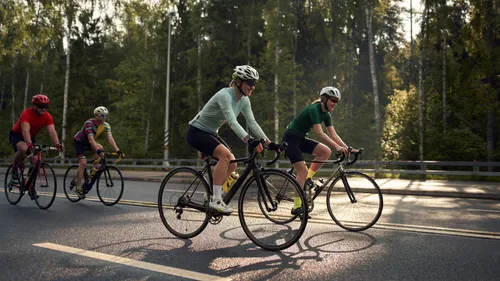
Orbea is one of the oldest and most respected names in cycling—a brand defined by passion, craftsmanship, and a distinctly European design philosophy. Founded in 1840 in the Basque Country, Orbea has evolved from a regional manufacturer into a global leader in road, mountain, gravel, and e-bike performance. By 2026, the lineup blends sharp engineering with a handmade, almost artisanal identity and a rider-first ethos that sets it apart from more industrial, big-box brands.
What really separates Orbea is the way technology and personality coexist. Their bikes feel purposeful and refined, but also very tied to the terrain they’re designed for—steep Pyrenean climbs, rugged Basque singletrack, and the fast-evolving world of performance e-MTBs, where Orbea is now a genuine heavyweight.
Below, we’ll walk through Orbea’s history, design language, technologies, signature platforms, strengths and weaknesses, pricing, and how the brand fits into the current market. If you’re weighing Orbea against other premium options, this will give you a clear sense of what the brand stands for in 2026.
Brand Overview
- Founded: 1840
- Headquarters: Mallabia, Basque Country, Spain
- Key Categories: Road, Gravel, XC, Trail, Enduro, E-MTB, E-Road, Urban/Commuter
- Notable Models: Orca, Orca Aero, Avant, Terra, Alma, Oiz, Occam, Rallon, Rise, Wild, Vibe
- Market Position: Premium European brand focused on performance, customization, and rider expression
Orbea sits in that interesting space between full-on boutique and mainstream global player. They have the scale to race at the highest levels and support worldwide distribution, but the brand still leans heavily into storytelling, design, and rider identity. Think: performance numbers that stack up against the biggest names, but with more personality and customization baked in.
History & Legacy
Orbea’s roots go much deeper than most bicycle companies. Originally an arms manufacturer in the 19th century, they pivoted to bicycles in the 1930s and started building their presence in European cycling almost immediately. While many well-known brands arrived decades later, Orbea has been part of the sport’s ecosystem for nearly a century.
Key milestones:
- 1840: Orbea founded in Eibar, Spain
- 1930s: Transition from arms production to bicycles
- 1980s: Growth in road and touring bikes across Europe
- 2000s: Stronger presence in road racing and MTB as the sport globalized
- 2010s: Launch of the Oiz and Rallon, which became cornerstone MTB platforms
- 2020s: Major strides in e-MTB with the Rise (light-assist) and Wild (full-power)
- 2026: Continued focus on advanced carbon work, integrated designs, and customization
Another important detail: Orbea operates as a cooperative. It’s worker-owned, which gives the brand more independence in how it evolves and helps explain why it still feels craft-focused despite its size.
Design Philosophy
Orbea bikes tend to look and feel like they were drawn with intention, not just modeled around a wind tunnel or weight target. There’s a mix of sharp engineering and Basque design sensibility in almost everything they make.
1. Rider Expression and Customization
A huge part of Orbea’s identity is MyO, their in-house customization program. It lets riders tailor:
- Paint schemes and color blocking
- Select component groups and wheels
- Cockpit dimensions and touch points
- Sometimes even suspension and gearing choices
The result is a bike that doesn’t just ride well—it looks and feels like your bike, not just “a bike from the shop.”
2. Lightweight, Efficient Platforms
Across road, XC, and even e-MTBs, Orbea consistently chases low weight without turning bikes into nervous, harsh-feeling machines. Their frames aim for:
- Low overall mass
- High torsional stiffness where it matters
- Clean steering response
- Efficient power transfer on climbs and flats
You feel this most clearly in the Orca, Alma, Oiz, and Rise families.
3. Integrated, Sculpted Aesthetics
Orbea puts a lot of effort into how their bikes look:
- Hidden or semi-hidden cabling (ICR internal routing)
- Smooth transitions around head tubes and bottom brackets
- Tight packaging of batteries and motors on e-bikes
- Distinctive angular lines and paint breaks
The bikes often look “designed” rather than just “assembled from tubes.”
4. Basque Handling DNA
Regardless of category, there are some handling traits that show up again and again:
- Stable and precise front ends
- Confident descending manners
- Responsive acceleration out of corners or off the line
- Geometry that’s happy on steep, punchy terrain
Whether you’re talking about an Orca, Oiz, Occam, or Wild, there’s a shared feeling of control on technical climbs and twisty descents.
Technology & Innovation
Orbea’s innovation isn’t about wild gimmicks. It’s a steady push on carbon engineering, kinematics, integration, and motor tuning.
Carbon Frame Tiers
Orbea uses two main high-end carbon constructions:
- OMX Carbon:
- Top-tier layup
- Ultralight and very stiff
- Used for flagship road and XC race builds
- OMR Carbon:
- Slightly heavier, more cost- and comfort-balanced
- Still very much “raceable” for most riders
These layups are applied strategically across Orca, Terra, Alma, Oiz, and other performance platforms.
Suspension & Kinematics (MTB)
- UFO / UFO 2 (Oiz):
Linkless stay design that cuts weight and maintains a very direct power feel for XC racing. - Occam & Rallon kinematics:
Anti-squat and leverage curves tuned for steep, technical terrain, with good mid-stroke support and controlled end-stroke progression.
Dropper compatibility, standover clearance, and modern reach numbers are all very much up to date.
Integration and System Design
- ICR Internal Cable Routing: Clean, quiet, and fully integrated front ends across road and gravel.
- In-frame storage and mounts: Select models offer internal tool or spares storage and well-planned bosses for bottles and bags.
- MyO Platform: Offers one of the deepest paint and spec configuration tools of any major brand.
You end up with bikes that look minimal from a distance but hide a lot of thoughtful detail up close.
E-Bike Systems
Orbea has become a genuine reference point for e-MTB.
- Rise (Lightweight E-MTB):
- Based around a tuned Shimano EP platform
- Lower assist and lighter batteries for a “bike first, motor second” feel
- One of the lightest e-MTBs in its class
- Wild (Full-Power E-MTB):
- Big-travel enduro-focused e-bike
- Highly praised descending performance
- Motor and battery integration that avoids the “overbuilt” feel of some competitors
On the urban and road side, models like the Vibe and Gain prioritize subtle assistance, low weight, and sleek appearance rather than brute power.
Popular Orbea Models (2026)
Here’s a quick tour of the bikes people most often associate with Orbea.
Road & Gravel
- Orca (Road Race):
Classic all-round race bike—light, efficient, and sharp-handling. Modern versions blend aero profiling with climbing-friendly weight. - Orca Aero (Aero Road):
Deep sections, aggressive stance, and very clean integration for riders chasing maximum speed. - Avant (Endurance Road):
More relaxed fit, room for bigger tires, and geometry aimed at long days rather than crit corners. - Terra (Gravel):
Orbea’s do-everything gravel platform—happy to race, happy to bikepack, happy to live on rough backroads.
XC & Trail
- Alma (XC Hardtail):
Very light, very direct, and built to go uphill fast. - Oiz (XC Full Suspension):
A benchmark XC race bike—low weight, sharp pedaling response, and geometry that’s confident on modern technical courses. - Occam (Trail):
Mid-travel trail bike with a lively feel and surprising descending confidence. - Rallon (Enduro):
Long travel, long reach, and very composed at speed—Orbea’s big-mountain/enduro weapon.
E-Bikes
- Rise (Lightweight E-MTB):
Targeted at riders who want assistance without losing the feel of a modern trail bike. - Wild (Full-Power E-MTB):
Orbea’s full-send e-enduro platform. Capable, supportive suspension and dialed geometry make it a standout on rough tracks. - Vibe (Urban E-Bike):
Minimalist city e-bike, designed to look more like a sleek commuter than a traditional e-bike.
Performance & Ride Feel
Across categories, Orbea bikes usually share a few key ride traits:
- Stable, not sleepy: You get enough high-speed composure on descents without sacrificing the ability to change lines quickly.
- Responsive under power: Orca, Alma, Oiz, and Rise in particular feel eager when you stand up and accelerate.
- Confident on irregular terrain: The Basque influence shows in how well many of their bikes deal with steep, awkward climbs and rockier surfaces.
- Light but grounded: Even their lightest builds avoid the skittish feel some ultra-lean race bikes can have.
Orbea leans performance-oriented, even when a model is technically “endurance” or “gravel.” If you like a bike that responds when you push it, that’s a plus. If you prefer something ultra- relaxed and couch-like, you might find some of their geometry a bit sharper than average.
Target Rider Profile
| Rider Type | Why Orbea Makes Sense |
|---|---|
| Performance Road Riders | Orca and Orca Aero offer race-ready platforms and MyO spec |
| Gravel Racers & Explorers | Terra balances speed, comfort, and mounting options |
| XC Racers | Alma and Oiz are built for modern, technical XC courses |
| Trail & Enduro Riders | Occam and Rallon handle demanding terrain with confidence |
| E-MTB Fans | Rise and Wild are among the leaders in their categories |
| Design-Conscious Riders | MyO customization and frame lines appeal to style-focused owners |
If you care as much about how a bike rides as how it looks, and you want something that feels a bit more personal than a big-box brand, Orbea fits that brief very well.
Strengths & Tradeoffs
Where Orbea Shines
- Craftsmanship: Frames and finishes feel genuinely premium.
- Customization: MyO is one of the most flexible and rider-friendly spec tools out there.
- E-MTBs: Rise and Wild are both standout platforms internationally.
- Weight & Efficiency: Carbon frames are consistently competitive for mass and stiffness.
- Aesthetics: Paint, integration, and silhouette are all carefully considered.
Where You See the Limits
- Price: OMX builds with top-tier components sit firmly in the high-end bracket.
- Accessibility: There aren’t many true “entry-level” Orbea builds, especially in carbon.
- Fit & Geometry: Some riders coming from very relaxed bikes may find Orbea’s geometry more aggressive.
- Dealer Footprint (NA): Coverage is growing but still not as dense as the biggest U.S.-centric brands in some regions.
How Orbea Compares
| Brand | Core Strength | Orbea’s Differentiator |
|---|---|---|
| Trek | Range, stability, dealer network | More customization and “artisanal” identity |
| Specialized | Cutting-edge tech, racing depth | Stronger MyO-style customization and co-op roots |
| Canyon | High value via DTC | More dealer support + custom paint options |
| Santa Cruz | MTB suspension and durability | Broader category range + e-road/urban focus |
Orbea tends to attract riders who might otherwise be eyeing Canyon, Specialized, or Trek—but want something that feels a bit more individual, especially once MyO is involved.
Pricing & Value
Approximate bands, depending on build and region:
- Entry-Level: $1,200–$2,800
- Mostly alloy and OMR builds with solid components
- Mid-Range: $3,000–$6,000
- Where a lot of the best Orbea value lives, especially with MyO customization
- High-End: $7,000–$12,000+
- OMX frames, top-tier groups, and race-ready e-MTBs
If you use MyO smartly—picking the right frame tier and focusing budget where it matters (wheels, suspension, drivetrain)—you can build a bike that feels very premium without going straight to the absolute top of the price sheet.
Where Orbea Fits in 2026
Orbea occupies a pretty special corner of the market: a performance brand with deep roots, modern tech, and a strong sense of identity. Their road bikes are crisp and efficient, their gravel and adventure platforms feel capable and refined, and their MTBs come straight out of some of the hardest riding terrain in Europe.
If you want a bike that feels engineered and expressive, Orbea makes a lot of sense. These aren’t anonymous, mass-bland frames—they’re bikes with a clear point of view.
Closing Thoughts: Is Orbea the Right Brand for You?
Orbea is a great fit if you:
- Care about both performance and aesthetics
- Want a bike that can be customized beyond off-the-shelf colors and standard builds
- Appreciate European geometry and a slightly more race-leaning feel
- Are interested in some of the best e-MTB platforms currently available
It’s probably not your brand if you:
- Are hunting for the lowest possible price point
- Prefer very upright, ultra-relaxed geometry across the board
- Need ultra-dense local dealer coverage in every small town
For riders who want a bike with character—backed by serious engineering, modern integration, and one of the best customization systems in the game—Orbea deserves a spot near the top of the shortlist in 2026.
FAQ
Are Orbea bikes high quality?
Yes. Orbea is known for meticulous frame construction, advanced carbon engineering, and a premium aesthetic feel.
Is Orbea a good brand for beginners?
Orbea tends to focus on performance-oriented riders, but models like the Gain, Vibe, and some OMR-level builds work very well for newer cyclists.
Are Orbea road bikes competitive?
Absolutely. The Orca and Orca Aero are top-tier platforms used by elite riders worldwide.
Is Orbea good for mountain biking?
Yes. The Oiz, Occam, Rallon, Rise, and Wild models are considered some of the best in their respective categories.
What is MyO?
MyO is Orbea’s customization program that allows riders to personalize paint, components, and fit options at no additional cost.
Are Orbea e-bikes reliable?
Very. Orbea’s e-MTBs use well-supported motor systems (Shimano or Bosch) with excellent integration and tuning.
How does Orbea compare to Trek or Specialized?
Orbea is more boutique, lighter in many categories, and offers far more customization. Trek and Specialized offer larger dealer networks and broader entry-level coverage.
Related Content:
Why Trust This Review?
BestBikeBrands is built by lifelong cyclists with decades of real-world experience — in the shop, on the trail, and behind the wrench. Our goal is simple: to help riders choose the best bikes and gear with confidence, backed by expert insights and hands-on testing. Learn more about us →