Mountain biking continues to evolve, but not in the chaotic way it once did. By 2026, suspension kinematics have stabilized, geometry trends are better understood, and most major brands have figured out what actually works on trail—not just what looks good on a geo chart. At the same time, riders have more choice than ever, which makes brand selection more confusing, not less.
The truth is that very few mountain bike brands consistently get everything right. Some excel at engineering but fall short on support. Others deliver strong value but lack refinement. A handful manage to balance performance, reliability, and real-world usability year after year.
This guide highlights 10 mountain bike brands that continue to stand out in 2026—not because they’re trendy, but because they build bikes riders trust. These are brands with proven platforms, meaningful updates (not constant reinvention), and bikes that work for actual riding, not just spec-sheet comparisons.
1. Trek Bikes
Trek remains one of the most complete mountain bike brands in the world. Their strength isn’t just range—it’s how refined that range has become. Trek bikes tend to feel predictable and balanced, which makes them easy to live with whether you’re racing XC, riding trail, or pushing into enduro territory.
Their suspension designs have matured rather than swung wildly with trends, and the real advantage is still dealer support. In 2026, that matters more than ever as bikes become more complex.
Notable models: Fuel EX, Slash, Supercaliber
Why riders choose Trek: dependable ride feel, massive support network
Best suited for: riders who want performance without sacrificing service access
2. Specialized
Specialized continues to operate like a company with its own internal skunkworks. Their bikes often feel slightly ahead of the curve—not because they chase novelty, but because they invest heavily in refinement and testing.
By 2026, their platforms are cleaner, more integrated, and less experimental than in years past. The result is bikes that feel cohesive rather than over-engineered.
Notable models: Stumpjumper, Enduro, Epic
Why riders choose Specialized: technology-driven development, polished execution
Best suited for: riders who appreciate innovation that actually improves ride quality
3. Giant Bicycles
Giant’s position hasn’t changed much—and that’s a good thing. They continue to deliver reliable bikes with sensible geometry and strong value. Their in-house manufacturing keeps pricing competitive, and their designs favor consistency over flash.
The Maestro suspension platform remains one of the most predictable and easy-to-tune systems on the market.
Notable models: Trance, Reign, Anthem
Why riders choose Giant: value, durability, stable handling
Best suited for: riders who want performance without boutique pricing
4. Santa Cruz Bicycles
Santa Cruz bikes still feel “solid” in a way that’s hard to quantify but easy to recognize on trail. Frame stiffness, suspension feel, and overall build quality continue to set a high bar in 2026.
They’re not chasing radical geometry changes anymore. Instead, Santa Cruz focuses on refinement, durability, and long-term ownership.
Notable models: Hightower, Megatower, Bronson
Why riders choose Santa Cruz: premium construction, confidence at speed
Best suited for: riders willing to invest in long-term performance
5. Yeti Cycles
Yeti remains unapologetically performance-focused. Their bikes reward riders who push hard and ride aggressively. The Switch Infinity platform continues to deliver excellent balance between efficiency and downhill control, especially for enduro-style riding.
Yeti bikes aren’t forgiving—but they’re fast.
Notable models: SB130, SB150, ARC
Why riders choose Yeti: race pedigree, sharp handling
Best suited for: experienced riders and competitive enduro racers
6. Canyon
Canyon’s direct-to-consumer model is no longer disruptive—it’s established. In 2026, their bikes continue to offer excellent value for the component spec, and their designs have matured significantly.
The trade-off remains the same: less hands-on dealer support in exchange for strong pricing.
Notable models: Spectral, Strive, Lux
Why riders choose Canyon: value-packed builds, modern geometry
Best suited for: riders comfortable with self-setup and independent service
7. Pivot Cycles
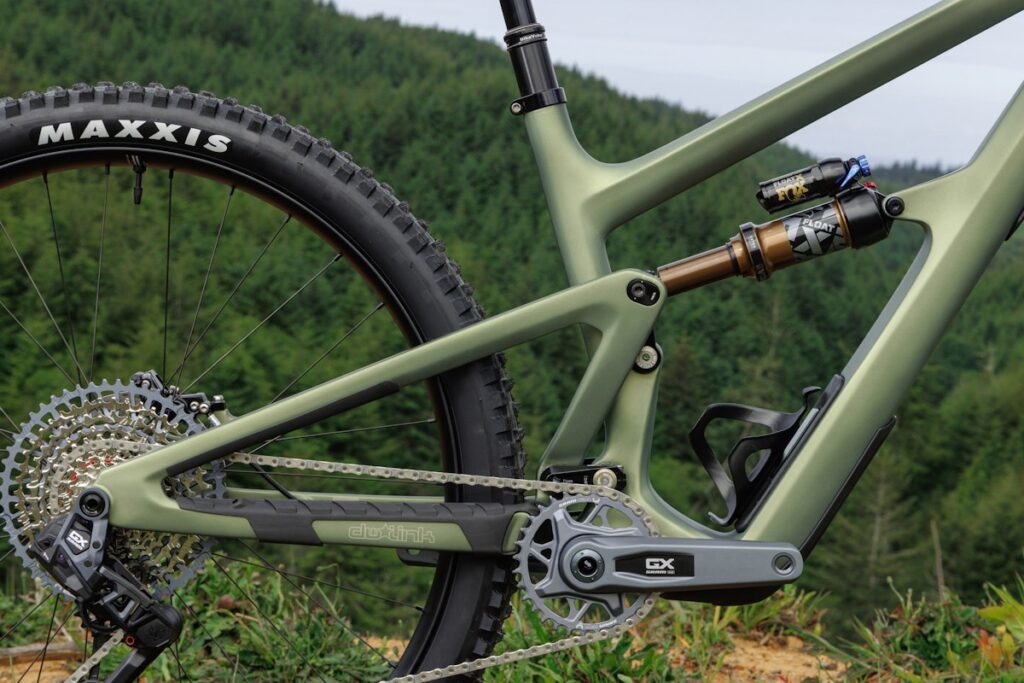
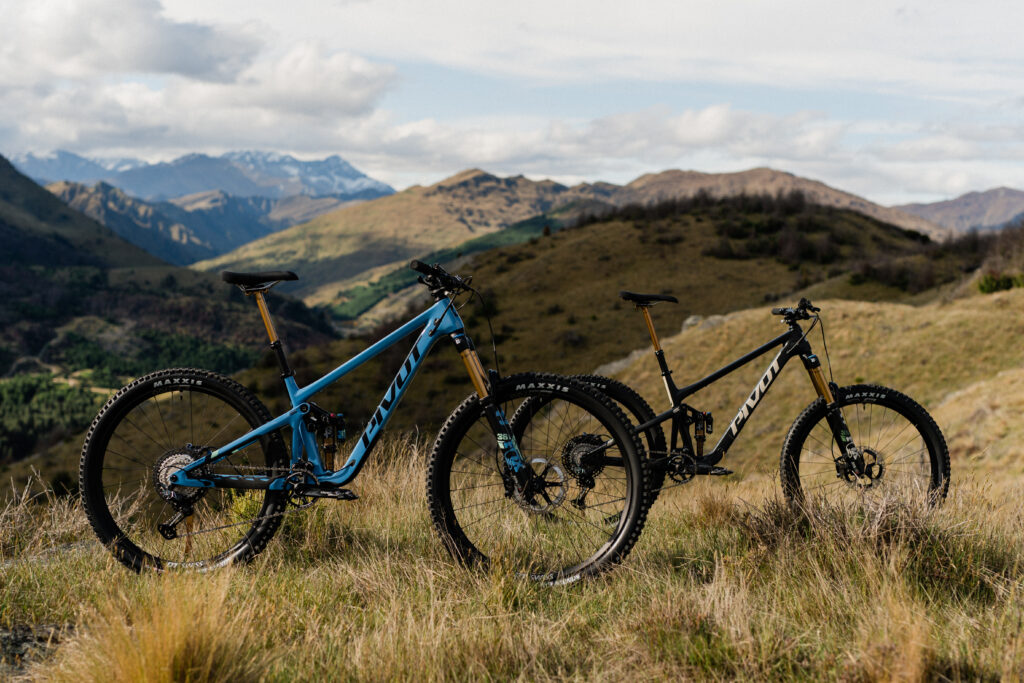
Pivot continues to serve riders who want refinement above all else. Their bikes feel deliberate and precise, with DW-Link suspension delivering consistent pedaling support and traction.
They aren’t trend-driven, and that’s exactly why their bikes age well.
Notable models: Switchblade, Firebird, Mach 6
Why riders choose Pivot: efficiency, premium execution
Best suited for: riders seeking boutique-level performance
8. Norco Bicycles
Norco maintains its identity as a brand built for aggressive riding. Their bikes lean toward progressive geometry and durable construction, making them popular with riders who spend time on steep, rough trails.
They also continue to offer strong aluminum options, which keeps aggressive riding accessible.
Notable models: Sight, Range, Fluid
Why riders choose Norco: aggressive design, strong value
Best suited for: riders prioritizing descending performance
9. Orbea
Orbea blends European race heritage with a rare level of customization. Their MyO program remains a standout feature in 2026, allowing riders to tailor both looks and builds.
Performance across XC, trail, and enduro remains strong, with clean aesthetics and thoughtful geometry.
Notable models: Oiz, Rallon, Occam
Why riders choose Orbea: customization, racing background
Best suited for: riders who want a premium bike with personal input
10. Rocky Mountain
Rocky Mountain’s long history in mountain biking continues to shape their bikes. Adjustable geometry, durable frames, and a freeride mindset remain central to the brand.
Their bikes feel purpose-built for technical terrain rather than manicured trails.
Notable models: Instinct, Slayer, Altitude
Why riders choose Rocky Mountain: adjustability, rugged design
Best suited for: riders tackling aggressive, technical terrain
Quick Comparison: Top MTB Brands
| Brand | Known For | Ideal Rider |
|---|---|---|
| Trek | Dealer support, broad range | Riders wanting service + reliability |
| Specialized | R&D and refinement | Tech-minded riders |
| Giant | Value and consistency | Budget-conscious performance seekers |
| Santa Cruz | Premium durability | Long-term ownership riders |
| Yeti | Race-driven performance | Aggressive and competitive riders |
| Canyon | Direct pricing | DIY-oriented buyers |
| Pivot | Boutique refinement | High-end enthusiasts |
| Norco | Progressive geometry | Hard-charging trail riders |
| Orbea | Custom builds | Riders wanting personalization |
| Rocky Mountain | Freeride heritage | Technical terrain specialists |
How to Choose the Right Brand in 2026
Instead of chasing logos, think about how you ride:
- Value-focused: Giant, Canyon, Norco
- Dealer access matters: Trek, Specialized
- Premium feel: Santa Cruz, Yeti, Pivot, Orbea
- Aggressive riding: Yeti, Norco, Rocky Mountain
- Customization: Orbea
Fit, suspension setup, and terrain will always matter more than brand prestige.
Common Questions Riders Still Ask
Which mountain bike brand is the most popular?
Trek and Specialized continue to dominate globally due to scale and support networks.
What’s a good brand for newer riders?
Giant and Norco offer excellent entry-level options that don’t feel disposable.
Which brands carry the most prestige?
Santa Cruz, Yeti, and Pivot remain the most recognized boutique names.
Is buying direct-to-consumer still risky?
Less than it used to be—but riders should be comfortable with setup and service logistics.
Closing Thoughts
By 2026, the mountain bike market is less about radical innovation and more about execution. The best brands are the ones that refine, support, and stand behind their products year after year.
Every brand listed here builds bikes that can handle real trails and real riders. The key is choosing the one that aligns with your riding style, expectations, and long-term ownership priorities—not just what looks best on paper.
Related Content:
Why Trust This Guide?
Jeffrey South is the founder of Best Bike Brands. With over 30 years in the cycling world as a shop owner, mechanic, and industry insider, he now shares reviews, guides, and insights to help riders choose the best bikes and gear with confidence.