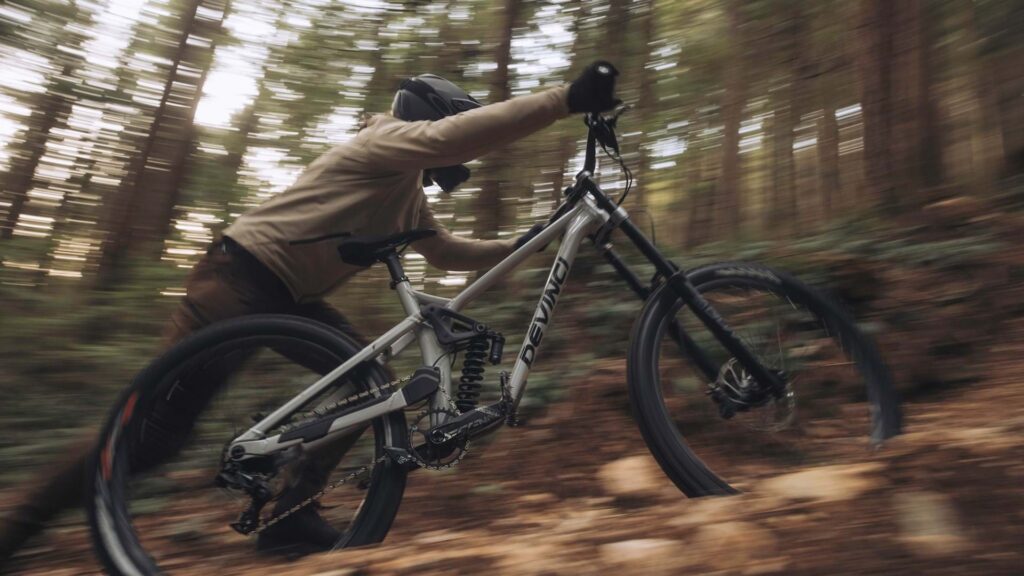
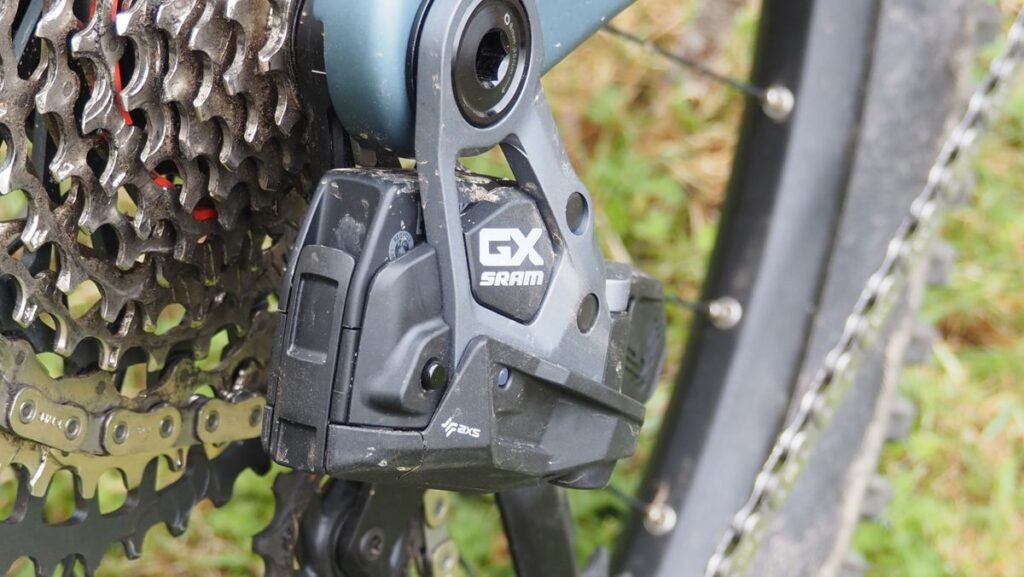
The Shimano EP8 platform has become one of the most familiar drive systems in modern e-MTB design, used across everything from agile trail bikes to long-travel all-mountain builds. It replaced the STEPS E8000 with more power, less weight, and far deeper tuning control, and it has quietly evolved through steady firmware updates rather than a full hardware refresh. The 2026 iteration still anchors a huge part of the market, showing up on platforms from Orbea, Santa Cruz, Pivot, Merida, Devinci, and more.
With newer systems pushing harder on torque, silence, and integration, the question in 2026 isn’t whether EP8 is still good — it’s how well it holds its ground as a refined, natural-feeling motor in a more competitive field.
Key Points at a Glance
- ~2.6 kg weight keeps it among the lightest full-power mid-drives
- 85 Nm torque, now delivered with smoother ramps thanks to updated firmware
- Noticeably reduced mechanical rattle compared to early releases
- Excellent customization through Shimano’s E-Tube Project app
- Strong reliability after early clutch-related issues were resolved
- Still one of the most balanced motors for trail and all-mountain riders
If you’re new to motor terminology, Velopedia’s EP8 tech overview is a good companion read for understanding assist curves and torque delivery.
What’s New in the EP8 Platform (2026)
Improved Thermal Strategy
Shimano’s latest firmware manages temperature load more intelligently, modulating output to maintain consistent support on extended climbs. The goal isn’t higher peak numbers — it’s to reduce fade on big efforts, especially on hotter days or long alpine fire roads.
Smoother Power Engagement
Earlier EP8 units had a sharper initial hit, which worked well on open climbs but felt abrupt on techy terrain. The refined torque curve now rolls in power more progressively, giving:
- steadier traction
- better low-rpm control
- cleaner re-engagement after coasting over obstacles
This change alone makes the newer EP8s feel more composed on modern technical trail bikes.
More Precise App Tuning
Shimano’s E-Tube Project app has grown into a genuinely sophisticated tool. Riders can set two profiles with independent torque caps, assist curves, and sensitivity values, making it easy to build:
- a soft-response trail mode
- a second profile with full torque and sharper response for long climbs
For readers diving into motor tuning, our e-MTB tuning guide on BBB explains assist ramping and cadence windows in more detail.
Quieter Clutch and Reduced Resonance
EP8’s well-known “rattle” is still present, but the latest clutch tolerances and firmware behavior make it subtler. Frame design still influences noise a great deal — some aluminum bikes pick up resonance more than carbon — but overall, the motor now sounds less mechanical on chatter.
Wider Battery Compatibility
With brands now pairing EP8 with 630 Wh, 720 Wh, and even 900 Wh batteries, riders get significantly longer range without requiring a new motor platform. Many riders moving from 504 Wh packs report a striking difference in mixed terrain range.
What Hasn’t Changed
85 Nm Torque
Still competitive, but not pushing the category’s upper limits the way Bosch or Brose do in 2026.
2.6 kg Weight
Compact and light, but unchanged from earlier models.
Peak Power Delivery
Depending on OEM tuning, EP8 still peaks around 500–600W.
Recognizable Ride Feel
The EP8 personality — supportive but not aggressive, clean engagement, and predictable traction — remains intact.
Noise Signature
Improved, but still audible. Some frames amplify it while others damp it significantly.
If you want to compare this to alternative systems, check our Bosch CX vs. EP8 comparison guide for context.
How the EP8 Performs on the Trail
Ride Impressions & Behavior
Power Character
EP8’s power isn’t about brute force. Instead, the motor focuses on strong but controlled support. The refined ramping helps the bike stay planted on loose, broken surfaces where traction is fragile. Bosch still launches harder at low rpm, but EP8 tends to feel steadier and easier to manage through rock gardens or technical switchbacks.
Cadence Window
The sweet spot sits around 70–90 rpm. When you spin within that range, the motor feels lively and efficient. Below that, especially under slow, heavy torque, EP8 doesn’t punch as hard as Bosch or Brose.
Trail and All-Mountain Handling
This is where EP8 feels most at home. The low system weight helps bikes maintain neutral handling and predictable fore-aft balance. On 150–160 mm trail bikes, the motor feels almost transparent — supportive without overwhelming suspension behavior.
Range & Efficiency
EP8 remains one of the category’s most efficient full-power motors. Even with 504–630 Wh batteries, riders often get more mileage than competing drive units produce with the same capacity, especially on rolling terrain where EP8’s torque modulation saves energy.
Noise & Vibration
The updated clutch behavior reduces the metallic resonance that defined early units. The motor now produces more of a muted mechanical hum, though it remains louder than the TQ HPR50 and Brose 2.2 systems.
Shimano E-Tube Project (2026): Tuning & Setup Notes
E-Tube is now one of the most complete consumer-grade tuning systems available. Key parameters include:
- Torque limit: 20–85 Nm
- Assist curve shaping
- Pedal-response sensitivity
- Eco / Trail / Boost individual tuning
- Dual-profile loadouts with quick switching
This depth of adjustment makes EP8 particularly appealing to riders who fine-tune suspension, gearing, and cockpit setups. Building two profiles — one for natural trail riding and another for steep fire-road climbing — often transforms how the bike behaves day-to-day.
Battery Pairings & Real-World Range
Shimano lets OEMs choose their battery architecture, which is why EP8 shows up with such varied capacities. Common configurations:
- 504 Wh — older spec, still used on lightweight builds
- 630 Wh — the current “standard” pairing
- 720–900 Wh — long-range setups for all-mountain and light enduro bikes
Because of EP8’s efficiency and smooth torque management, even mid-size batteries deliver excellent real-world mileage.
Reliability, Serviceability & Long-Term Use
The earliest EP8 releases had clutch wear and inconsistent firmware behavior. Those issues have been addressed for several years, and current units have:
- low warranty-claim rates
- stable heat management
- consistent communication with modern BMS systems
- strong global dealer support
Maintenance is minimal: firmware updates, periodic crank removal for inspection, and standard drivetrain wear checks. EP8 tends to be gentle on chains and cassettes compared to higher-torque competitors.
Strengths & Tradeoffs
What Stands Out
- Excellent efficiency
- Adjustable, rider-specific behavior
- Natural, predictable torque curve
- Lightweight 2.6 kg build
- Broad compatibility across OEM platforms
- Reliable long-term track record
Where It Shows Its Limits
- Not the strongest at low-cadence pedaling
- Noise still noticeable in certain frames
- No major hardware refresh since launch
- Peak torque no longer competitive against flagship systems
Where EP8 Fits in the Market
EP8 excels in the middle space between ultra-quiet lightweight motors and high-torque power units. Trail riders benefit most from its natural response and efficiency. All-mountain riders get a balanced system that doesn’t overwhelm suspension kinematics. Light-enduro riders get enough torque without carrying a heavier drive unit.
If you’re comparing options, consider how you typically ride: EP8 rewards smoother pedaling and consistent cadence more than brute-force climbing.
Final Thoughts
Shimano’s EP8 may not chase headline numbers in 2026, but its mix of efficiency, tuning depth, and reliability keeps it firmly relevant. The refined torque curve and improved thermal strategy make the motor feel more composed on modern technical terrain, and its low weight continues to influence how well EP8-equipped bikes handle.
For riders who value predictable support, long range, and day-to-day dependability backed by a massive service network, EP8 remains one of the most well-rounded mid-drive systems available.
FAQ
Is the Shimano EP8 still good in 2026?
Yes. It remains one of the most balanced and reliable e-MTB motors on the market.
How much torque does EP8 have?
85 Nm of peak torque.
Is Shimano EP8 quieter than before?
Yes—newer firmware reduces clutch noise, though it still isn’t silent.
Does EP8 overheat?
Newer thermal firmware greatly reduces power fade on long climbs.
Can you tune the EP8 motor?
Yes. The E-Tube Project app allows extensive customization.
What batteries work with EP8?
Most brands pair it with 504–900Wh batteries depending on model.
Is EP8 good for enduro riding?
Yes for lighter enduro, but riders who want maximum torque may prefer Bosch or Brose.
Related Content:
- Specialized Bikes Review
- Best E-Bike Brands Guide
- Best Bike Chain Lube
- How To Maintain An E-Bike Battery
- Marin Bikes Review
Why Trust This Review?
BestBikeBrands is built by lifelong cyclists with decades of real-world experience — in the shop, on the trail, and behind the wrench. Our goal is simple: to help riders choose the best bikes and gear with confidence, backed by expert insights and hands-on testing. Learn more about us →