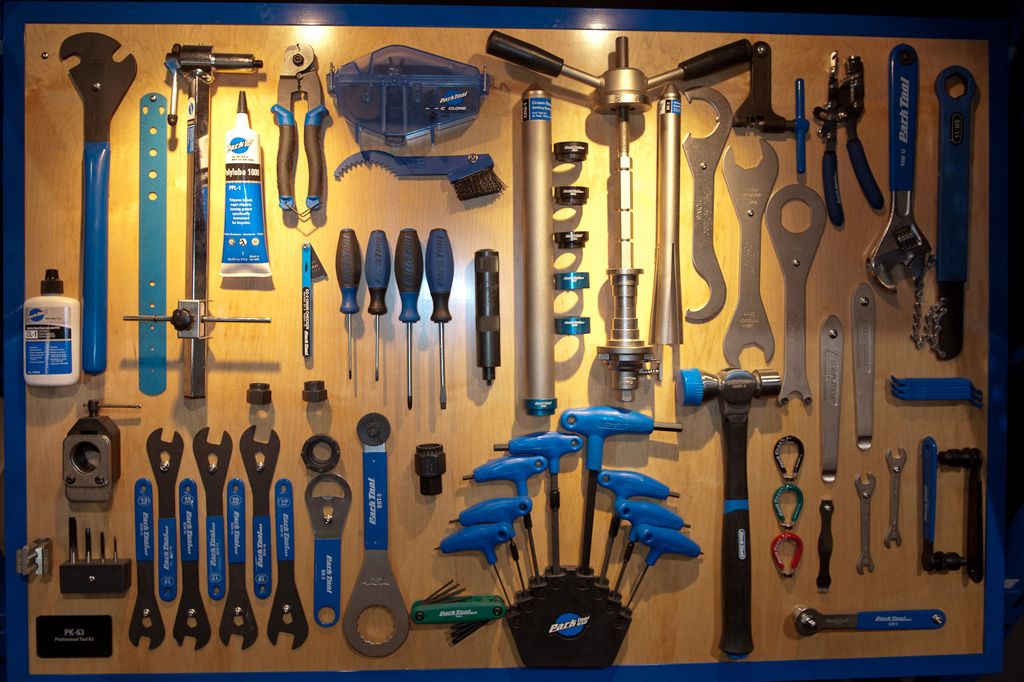
Few cycling brands have influenced how bicycles are serviced as deeply as Park Tool. For more than six decades, the company’s blue-handled tools have been fixtures in professional workshops, race pits, and home garages around the world. Park Tool is not simply a manufacturer of bike tools; it has shaped the standards by which bicycle maintenance is performed.
In 2026, Park Tool remains the dominant reference in bicycle-specific tooling. Its catalog spans everything from basic hex keys to advanced alignment gauges and professional-grade repair stands. The brand’s reputation rests on consistency, accuracy, and long-term durability rather than novelty or aesthetic appeal.
This review examines Park Tool’s history, manufacturing approach, design philosophy, core product categories, and its position within the modern cycling ecosystem.
Brand Overview
- Founded: 1963
- Founders: Howard and Art Engstrom
- Headquarters: St. Paul, Minnesota, USA
- Primary focus: Bicycle tools, stands, gauges, workshop equipment
- Tagline: “Tools for every mechanic.”
Park Tool operates with a clear objective: produce bicycle tools that are accurate, durable, and purpose-built. Unlike general hardware manufacturers, Park Tool designs nearly every product specifically around bicycle standards, interfaces, and materials. This focus has allowed the company to remain relevant as bicycles have evolved from simple steel machines into highly integrated systems.
Historical Background
Park Tool was founded at a time when bicycle-specific tools were rare. Most mechanics relied on repurposed automotive or industrial tools, which often lacked the precision required for lightweight bicycle components.
The company’s early success was driven by a single product: the PRS-1 repair stand. By allowing bicycles to be clamped at a stable working height, it fundamentally changed shop workflow. What had been a physically awkward and inefficient process became faster, safer, and more consistent.
From that point forward, Park Tool expanded methodically. Rather than chasing broad markets, it identified recurring mechanical problems and developed tools to address them directly. Over time, this approach produced a catalog that now exceeds 500 individual products.
Park Tool’s growth has been incremental and conservative. It has not relied on mergers, licensing, or diversification outside cycling. That focus has contributed to long-term stability and brand trust.
Design Philosophy
Park Tool’s design philosophy is pragmatic and mechanic-driven. Product development prioritizes accuracy, repeatability, and longevity over visual appeal or minimal weight.
Precision and Tolerances
Most Park Tool products are manufactured to tight dimensional tolerances. This is particularly important for interfaces such as bottom brackets, headsets, cassette lockrings, and bearing systems. Accurate fit reduces component damage and improves service outcomes.
Durability
Tools are designed for repeated daily use. Forged steel bodies, hardened contact points, and reinforced pivot mechanisms are standard across the range. Many tools currently in use in professional shops are decades old.
Mechanic-Centered Ergonomics
Handle shapes, leverage lengths, and grip materials are designed around repetitive use. This reduces hand fatigue and improves control, particularly during high-torque operations.
Continuous Adaptation
Park Tool actively updates its catalog to match changes in bicycle standards. Disc brakes, electronic drivetrains, wide hub spacing, and e-bike systems have all prompted dedicated tool development.
Manufacturing and Quality Control
Park Tool designs, prototypes, and tests the majority of its products in Minnesota. While some manufacturing is outsourced, a significant portion of production remains U.S.-based, particularly for core tools and stands.
- Materials: High-carbon tool steel, heat-treated alloys, reinforced composites
- Finishing: Chrome plating, zinc coatings, and powder-coated handles
- Quality control: Dimensional checks, durability testing, and batch inspection
- Serviceability: Replaceable pins, jaws, and wear components on many tools
This approach emphasizes consistency rather than cost minimization. Park Tool tools are rarely the lightest or cheapest, but they are designed to retain accuracy over long service lives.
Core Product Categories
Repair Stands
Repair stands remain central to Park Tool’s identity.
Home and Portable Stands
Models such as the PCS series are widely used by home mechanics. They offer stable clamping, adjustable height, and compatibility with carbon frames and aero tubes.
Professional and Team Stands
The PRS series is designed for daily shop use and race support. These stands feature reinforced bases, micro-adjust clamps, and modular service parts.
Across all models, clamp precision and frame protection are prioritized over minimal weight.
Torque and Measurement Tools
As modern bicycles rely increasingly on torque-sensitive interfaces, Park Tool’s measurement tools have become essential.
- Torque wrenches: Available in preset, beam, and click-style formats
- Digital calipers: Used for bearing, spacer, and axle measurements
- Chain wear gauges: Designed to provide accurate wear readings on modern drivetrains
Torque accuracy is typically rated within ±4%, which meets or exceeds industry norms for bicycle service.
Drivetrain and Alignment Tools
Park Tool has become synonymous with drivetrain service.
- Chain tools: Designed for current 11- and 12-speed systems, including e-bike chains
- Cassette tools and chain whips: Hardened interfaces prevent tool slip and wear
- Derailleur alignment gauges: Used to correct hanger misalignment with repeatable accuracy
Alignment tools, in particular, are widely regarded as reference standards within the industry.
Wheel Truing and Building Equipment
Wheel service is another area where Park Tool maintains strong influence.
- Truing stands: The TS series remains a benchmark for accuracy and rigidity
- Tension meters: Provide repeatable readings across a range of spoke materials
- Dishing tools: Ensure correct wheel centering relative to the frame
These tools are used by both professional wheel builders and experienced home mechanics.
Cleaning and Workshop Accessories
Park Tool’s maintenance tools emphasize efficiency and repeatability.
- Chain cleaning systems: Designed to remove contamination without excessive solvent use
- Brush sets: Shaped for specific drivetrain and frame areas
- Workshop trays and mats: Improve organization and reduce part loss
While not technically complex, these tools contribute to consistent service quality.
Tool Kits
Park Tool offers structured tool kits for different user levels.
- Advanced kits: Intended for experienced home mechanics
- Professional kits: Designed for shop setup or mobile service
Kits emphasize coverage of common standards rather than exhaustive inclusion of specialty tools.
Educational Support
Park Tool has invested heavily in mechanic education.
- Detailed written repair guides
- Extensive video tutorials covering most service procedures
- Publicly accessible documentation without paywalls
This educational ecosystem has played a significant role in standardizing bicycle maintenance practices worldwide.
Market Position
Park Tool occupies a distinct position within the tool market.
- Broader and deeper catalog than most competitors
- Higher durability than many consumer-oriented brands
- More accessible than boutique tool manufacturers
It is commonly used as a baseline reference when evaluating competing tools.
Pricing and Long-Term Value
Park Tool products are priced above entry-level tools but below boutique machining brands.
Typical price ranges (2026):
- Repair stands: approximately $150–$550
- Torque tools: approximately $70–$300
- Chain tools: approximately $25–$80
- Wheel equipment: approximately $120–$400
- Tool kits: approximately $300–$900
While initial cost is higher than generic tools, service life and rebuildability often result in lower long-term cost.
Intended Users
Park Tool products are widely used by:
- Professional bicycle shops
- Mobile mechanics and race teams
- Experienced home mechanics
- Riders maintaining multiple bikes
- Training programs and technical schools
The catalog is broad enough to support entry-level learning and advanced service work.
Sustainability and Product Longevity
Park Tool’s sustainability strategy is based on longevity rather than material innovation. Tools are designed to remain in service for decades, reducing replacement frequency.
Replaceable wear components and repair parts further extend service life. This approach minimizes waste without relying on disposable or short-lived products.
Closing Thoughts on Park Tool
Park Tool’s continued relevance is rooted in restraint. The company expands its catalog only when new standards or service needs emerge, and it rarely abandons existing tools unless interfaces become obsolete.
In 2026, Park Tool remains the most comprehensive and trusted manufacturer of bicycle-specific tools. Its products may lack visual drama, but they provide consistent, repeatable results across a wide range of bicycles and service environments.
For mechanics and riders who prioritize accuracy, durability, and long-term reliability, Park Tool continues to define what professional bicycle tools should be.
Related Content:
- Best Comfort Saddles
- Best Helmet Guide
- Best Bike Accessory Brands
- Topeak Brand Review
- How To Lube A Bike Chain
Why Trust This Review?
BestBikeBrands is built by lifelong cyclists with decades of real-world experience — in the shop, on the trail, and behind the wrench. Our goal is simple: to help riders choose the best bikes and gear with confidence, backed by expert insights and hands-on testing. Learn more about us →