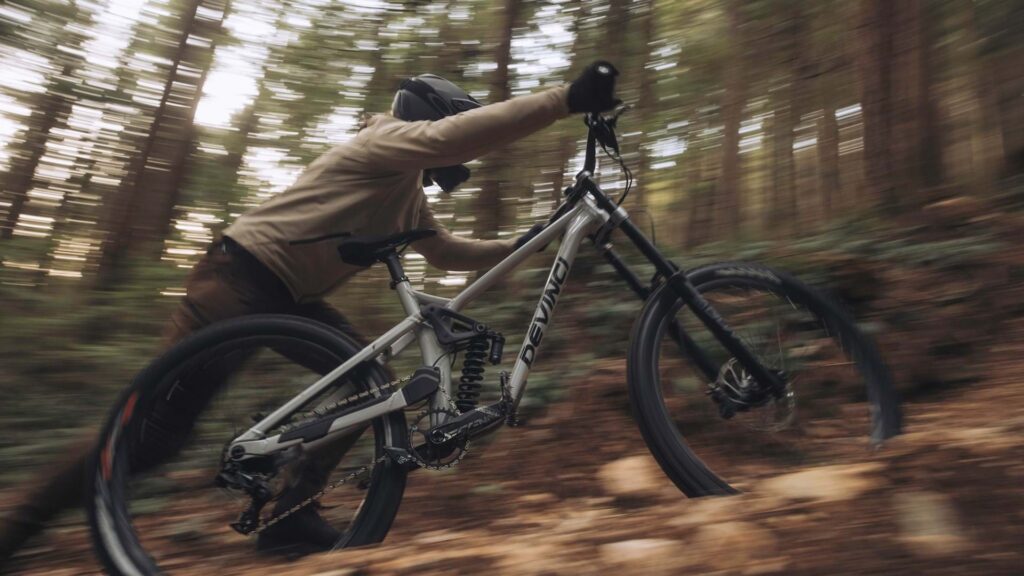
Himiway has become one of those names you see everywhere in the e-bike world—and that didn’t happen by accident. The brand leaned hard into what a lot of riders actually want: big motors, big batteries, and fat tires that don’t flinch when the pavement ends. Instead of chasing ultra-lightweight city bikes, Himiway built its identity around power, range, and go-anywhere feel.
By 2026, that formula has evolved into a broader lineup: updated frames, cleaner electronics, and bikes that cover commuting, cargo hauling, and off-road exploring. This overview walks through Himiway’s ecosystem—cruisers, commuters, fat-tire adventure bikes, cargo and step-through models—along with the design thinking behind them, how they ride, who they suit best, and how they compare to bigger names in the space.
If you’ve been looking for an e-bike that leans into torque, stability, and long-distance capability without tipping into premium-brand pricing, Himiway is worth a closer look.
Brand Overview
Founded: 2017
Headquarters: California, USA (with global distribution)
Key Categories: Fat-tire e-bikes, commuter e-bikes, cargo e-bikes, step-through models, off-road electric bikes
Notable Models: Cruiser, Zebra, Escape Pro, Big Dog, Cobra, Cobra Pro, Rambler, Rhino
Market Segment: Adventure e-bikes, long-range commuters, value-focused electric bikes
Himiway’s reputation is built on a clear theme: oversized batteries paired with high-torque motors. Their bikes tend to be heavier and more overbuilt than typical urban commuters, but that’s very much intentional. They’re aimed at riders who want to ride further, carry more, and feel planted and secure on mixed terrain.
History and Legacy
Himiway arrived on the scene with a straightforward goal: build long-range, high-power e-bikes that didn’t cost as much as a premium European or North American brand. At a time when many companies kept battery sizes modest to control weight, Himiway went in the opposite direction—embracing:
- 750W motors as standard
- Big battery packs capable of 80+ mile ranges in real-world scenarios
- Fat tires for stability and traction
That combination landed with riders who needed more than a casual city cruiser:
- Long-distance commuters
- Weekend adventure riders
- People living in hilly or rural areas
- Heavier riders who appreciate stronger frames and torque
By the mid-2020s, Himiway had carved out a solid place in the mid-tier e-bike space in North America, especially among riders who prioritize raw capability over ultra-refined styling or minimal weight.
Design Philosophy
Himiway’s design priorities can be boiled down to four main ideas: power, range, comfort, and versatility.
1. Power and Torque
Most Himiway models use 750W hub motors (or a strong mid-drive on select bikes), tuned for brisk acceleration and hill-climbing. The assist feel is more “muscular boost” than subtle nudge, which many riders appreciate on steep grades or when carrying cargo.
2. High-Capacity Batteries
Large-format batteries are a defining part of the brand. Capacity often exceeds what you’ll find on similarly priced competitors, which translates into noticeably longer rides between charges—especially at lower assist levels.
3. Comfort and Stability
Himiway leans heavily on:
- Wide, fat tires for traction and shock absorption
- Front suspension, sometimes rear as well
- Upright riding positions
The result is a very settled, forgiving ride that feels reassuring on rough pavement, gravel roads, and light off-road sections.
4. Built for Multiple Roles
Most Himiway bikes are designed to be more than single-purpose machines. With racks, fenders, and robust frames, they can:
- Commute during the week
- Explore trails or backroads on weekends
- Haul groceries or gear when needed
The bikes are not minimalist; they’re built to feel substantial.
Technology & Innovation
Himiway doesn’t push cutting-edge proprietary tech in the same way some premium brands do, but there are a few key areas where they’ve invested.
Motors
- Mostly 750W geared rear-hub motors with solid torque output
- Mid-drive systems reserved for higher-end, off-road-focused models (e.g., Cobra Pro)
Hub motors are simpler and easier to maintain, while mid-drives offer better climbing efficiency and more natural pedal feel.
Battery Systems
Large-capacity packs are a Himiway calling card:
- Many models run 840Wh or larger batteries
- Dual-battery setups (like on the Rhino) push range even further
That emphasis on range is one of the biggest reasons riders gravitate toward the brand.
Frames & Construction
Himiway frames typically feature:
- 6061 aluminum construction
- Reinforced tubing in high-stress zones
- High load ratings suitable for bigger riders or cargo
- Both step-over and step-through variants to fit different riders and preferences
Cable routing is increasingly integrated, giving newer models a cleaner look.
Suspension & Tires
The fat-tire platforms usually pair:
- 4-inch (or wider) tires
- Front suspension forks
- Rear suspension on select models like Cobra and Escape Pro
This combination smooths out potholes, gravel chatter, and mild trail features.
Electronics & Displays
Most models ship with:
- Backlit displays showing speed, battery, assist level, and trip data
- Handlebar-mounted controls for quick PAS changes
- Updated controllers on newer bikes for smoother ramp-up and more predictable power delivery
Nothing overly flashy, but functional and easy to live with.
Popular Models
Himiway Cruiser
A comfort-focused, fat-tire e-bike designed for everyday use. Upright posture, cushy tires, and long-range battery options make it a solid choice for riders who prioritize comfort and stability over speed and agility.
Himiway Zebra
An evolution of the Cruiser concept with a stiffer frame, improved torque, and a more refined overall feel. It’s well-suited to hillier regions or riders who want a bit more performance without losing comfort.
Cobra & Cobra Pro
These are Himiway’s full-suspension, fat-tire off-road machines. The Cobra uses a powerful hub motor, while the Cobra Pro steps up to a mid-drive for more technical terrain and serious climbing. Both are built for riders who plan to leave the pavement behind regularly.
Escape Pro
A moped-style e-bike with a step-over frame, dual suspension, and fat tires. It leans more into urban fun and short-travel adventure riding—good for city cruising, short commutes, and playful rides.
Big Dog
A compact cargo-oriented e-bike with integrated rear rack and a sturdy frame. It’s built for hauling, whether that’s groceries, work gear, or a combination of both.
Rambler
More of a traditional commuter bike: narrower tires, more “bike-like” feel, and geometry better suited to paved roads and daily trips.
Rhino
A dual-battery beast designed for serious range. Ideal for touring, long-distance adventures, or riders who simply never want to worry about mid-week charging.
Performance and Ride Quality
Handling
Himiway bikes feel planted. The combination of weight, wide tires, and longish wheelbases creates a very secure, grounded ride. That inspires confidence on loose surfaces and rougher roads, though it can feel less nimble than slimmer, lighter city bikes.
Acceleration and Power
With 750W motors across much of the lineup, acceleration is strong, especially in higher PAS levels or when using throttle (where available). Starting from a stop or climbing with cargo doesn’t feel like a chore.
Comfort
Wide saddles, upright positions, fat tires, and suspension forks work together to take the sting out of cracks, gravel, and potholes. For riders who struggle with harsh bikes, Himiway’s setup can feel like a big upgrade.
Range
Range is one of Himiway’s headline strengths. With larger batteries than many competitors at similar prices, real-world distances of 50–80 miles per charge are very realistic at conservative assist levels, and dual-battery setups can go even further.
Weight
The tradeoff is mass. Most Himiway bikes are heavy. Moving them up stairs, onto racks, or navigating tight, slow-speed situations will feel different than lighter commuters. It’s an important factor to consider if storage or lifting is part of your routine.
Target Audience
| Rider Type | Why Himiway Fits |
|---|---|
| Commuters | Long-range capacity and comfortable geometry make daily trips less tiring |
| Adventure Riders | Fat tires and suspension cope well with gravel, fire roads, and light trails |
| Heavier Riders | Strong frames and high payload ratings provide peace of mind |
| Cargo Users | Models like the Big Dog and some Zebra setups handle loaded racks well |
| Off-Road Explorers | Cobra and Cobra Pro are tuned for dirt, sand, and rougher terrain |
| Value-Focused Buyers | High power and range at pricing below many premium brands |
If you’re more concerned about getting up steep hills, riding farther, and feeling stable than you are about shaving every pound, Himiway lines up well.
Strengths and Weaknesses
Strengths
- Excellent range relative to price, thanks to oversized batteries
- High-power motors across nearly the entire lineup
- Rugged feel and stable handling on poor surfaces
- Comfort-oriented geometry that suits longer rides
- Versatility across commuting, light off-road, and cargo hauling
- Good value for riders who want capability without high-end pricing
Weaknesses
- Heavier frames than many commuting-focused e-bikes
- Less refined ride feel and finish than top-tier European or boutique brands
- Hub motors on most models mean less efficiency and finesse on long, steep climbs compared to mid-drives
- Fat tires add rolling resistance and can feel overkill if you ride exclusively on smooth city paths
Comparison & Market Position
Himiway sits in a clear niche: power and range first, refinement second.
| Brand | Focus | Key Advantage | Tradeoff |
|---|---|---|---|
| Himiway | Power & long-range fat-tire e-bikes | Big batteries and strong motors at fair prices | Heavier builds, less premium finish |
| Rad Power Bikes | Urban & utility e-bikes | Large user base, familiar brand, good utility | Less off-road emphasis, often smaller batteries |
| Aventon | Stylish commuters & fitness e-bikes | Lighter designs, sharp styling | More modest range on many models |
If your priorities lean toward “go far, go anywhere, feel solid,” Himiway’s lineup makes sense. If you want a lighter, sleeker commuter for mostly paved use, other brands may fit better.
Pricing and Value
Himiway generally lands in the mid-range of the e-bike price spectrum, offering more battery and motor for the dollar than many competitors.
| Category | Price Range | Comment |
|---|---|---|
| Commuters | Mid-range | Good value, especially with larger batteries |
| Fat-Tire / Adventure | Mid to upper mid-range | Strong power and comfort for the cost |
| Cargo | Upper mid-range | Big Dog and similar models offer hauling capability below cargo-bike premium prices |
| Full-Suspension | Premium mid-range | Cobra and Cobra Pro deliver off-road performance without ultra-high-end costs |
The value proposition is clearest if you’ll actually use the extra range and torque. If you only ride short, flat trips, you might not need what Himiway is best at.
How Himiway Fits into Real-World Riding
Himiway’s sweet spot is riders who want an e-bike that feels more like a small, capable utility vehicle than a slim commuter. Long distances, rougher paths, bigger riders, and cargo duties all play to the brand’s strengths.
If your agenda includes:
- Riding farther between charges
- Tackling hills without worrying about bogging down
- Exploring unpaved routes on weekends
- Carrying gear or groceries without stressing the frame
…then Himiway likely has at least one model that aligns with your use case.
Final Thoughts on Himiway
Himiway e-bikes lean into power, comfort, and ruggedness in a way that clearly resonates with a lot of riders. They’re not the lightest or the most polished options on the market, but they do deliver on the promise of strong motors, big batteries, and a confidence-inspiring ride at a price that’s still accessible.
For commuters with long routes, riders who split their time between pavement and dirt, heavier riders who appreciate a stout frame, and anyone who simply wants to ride further without range anxiety, Himiway is well worth shortlisting. If you prize ultra-lightweight frames, minimalist design, or the most refined ride feel, you may find a better fit elsewhere—but if real-world range and power top your list, Himiway makes a very strong case.
FAQ
Are Himiway bikes reliable?
Yes. Their frames, motors, and batteries are designed for long-term durability.
How long do Himiway batteries last?
Most Himiway batteries last between 800–1,000 charge cycles with proper care, giving several years of daily use.
Are Himiway bikes good for long-distance commuting?
Yes. Himiway’s oversized batteries and efficient motors make them ideal for long commutes.
Can Himiway bikes handle off-road terrain?
Many models—especially the Cobra, Zebra, and Cruiser—are designed for gravel, dirt, and moderate off-road riding.
Are Himiway bikes heavy?
Yes. Their large frames, fat tires, and oversized batteries increase weight, but also stability.
Do Himiway bikes support larger riders?
Himiway bikes have high load capacities and are well suited for taller or heavier riders.
How fast do Himiway bikes go?
Most models can reach 20 mph in Class 2 mode, with some offering pedal assist above that limit depending on local regulations.
Related Content:
- Ride1Up Bikes Review
- Aventon vs Rad Power
- How To Maintain An E-Bike Battery
- Best Commuter Bikes Guide
- Lectric E-Bikes Review
Why Trust This Review?
BestBikeBrands is built by lifelong cyclists with decades of real-world experience — in the shop, on the trail, and behind the wrench. Our goal is simple: to help riders choose the best bikes and gear with confidence, backed by expert insights and hands-on testing. Learn more about us →