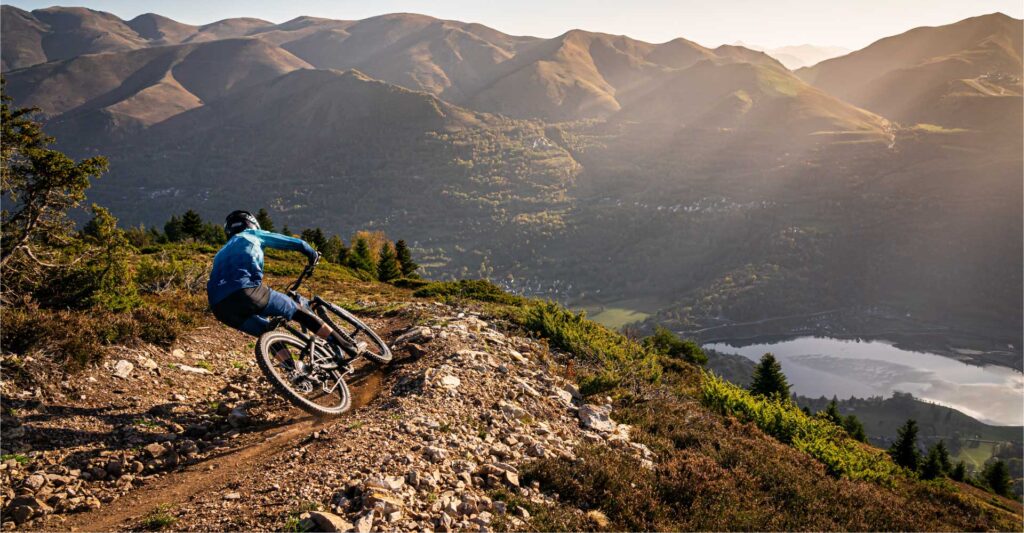
Giant is one of those brands you can’t escape in the bike world—and that’s not a bad thing. Walk into a shop almost anywhere on the planet, and there’s a good chance you’ll spot a Giant on the floor or a Giant-built frame hiding under another logo. Founded in Taiwan in 1972, the company has grown into the largest bicycle manufacturer in the world, supplying bikes both under its own name and as an OEM for other major brands.
But sheer size doesn’t explain why Giant matters. The brand has built its reputation on three pillars: innovation, value, and accessibility. From WorldTour-ready race bikes to entry-level hybrids, Giant consistently delivers strong performance per dollar and a ride quality that works for a wide range of riders.
By 2026, Giant stands as the benchmark “all-rounder brand” in cycling—big enough to build almost everything, and good enough that riders at all levels actually want to ride it.
Brand Snapshot
| Category | Details |
|---|---|
| Founded | 1972 |
| Headquarters | Taichung, Taiwan (global subsidiaries worldwide) |
| Core Categories | Road, Gravel, XC, Trail, Enduro, E-bikes, Hybrid/Commuter, Kids |
| Key Platforms | Defy, TCR, Propel, Revolt, Anthem, Trance, Stance, Talon, Roam, Escape, Explore E+, Trance X E+ |
| Market Position | High-value, high-volume brand with strong innovation and dealer reach |
Giant’s identity is less about exclusivity and more about delivering solid, well-engineered bikes at honest prices. If Trek and Specialized lean toward premium branding, Giant often counters with similar tech at a lower price point.
History & Legacy: From OEM Workhorse to Global Giant
Giant began life as Giant Manufacturing Co. in 1972, primarily building bikes for other labels as an OEM. One of its early and most important relationships was with Schwinn. That OEM background became a quiet superpower: Giant learned how to engineer, mass-produce, and refine bikes at scale before pushing its own name to the foreground.
Key Milestones
- 1970s–early 1980s: Giant builds for other brands, refining large-scale production.
- Mid-1980s: Starts selling bikes under the Giant name in global markets.
- 1987: Among the first major brands to mass-produce carbon road frames, bringing high-end tech to a broader audience.
- 1990s: Expands into Europe and North America with dedicated subsidiaries and dealer networks.
- 2000s: Launches Maestro suspension and leans heavily into performance mountain bikes.
- 2010s–2020s: Grows e-bike offerings (with Yamaha-based systems) and refines major platforms like TCR, Defy, Trance, and Revolt.
Today, Giant operates as both a brand and a manufacturing powerhouse, shaping how much of the global bike market is built and priced.
What Makes Giant Different?
While boutique brands chase niche audiences, Giant plays a different game: use scale and vertical integration to offer strong performance at every price tier.
Core Advantages
- Vertical Integration
Giant produces its own frames, carbon, and many components, reducing cost and maintaining tight quality control. That’s why they can often offer better spec than competitors at a given price point. - Innovation at Volume
From early carbon frames to compact road geometry and Maestro suspension, Giant doesn’t just follow trends—it has helped create them. - Global Reach & Support
Giant bikes are available almost everywhere, with a vast dealer network for test rides, fitting, and service. - Value-Driven Pricing
Similar or better components than Trek/Specialized at a lower price is a big part of Giant’s appeal.
Their “Ride Life. Ride Giant.” slogan is accurate: this is a brand built to get more people on bikes, not just impress the most niche enthusiast.
Giant’s Major Platforms & Where They Fit
Below is an expanded look at Giant’s best-known models and the riders they suit.
Defy — Endurance Road
The Defy is Giant’s comfort-focused road bike, available in both carbon and aluminum.
Key traits:
- More relaxed geometry than a pure race bike
- Room for wider tires for extra comfort and grip
- Tuned frame compliance that smooths out rough pavement
Best for:
- Gran fondos, charity rides, long-distance fitness
- Riders who want road speed without race-bike harshness
TCR — Race Road Flagship
The TCR (Total Compact Road) is Giant’s halo road-racing platform.
Key traits:
- Lightweight carbon frames with an emphasis on stiffness-to-weight
- Compact road geometry (sloping top tube) for increased stiffness and fit range
- Aerodynamic improvements without overcomplicating the design
Best for:
- Road racers and serious enthusiasts
- Riders who want a single road bike that can race, climb, and handle group rides
Propel — Aero Road
The Propel takes Giant’s race mindset and wraps it in an aero-optimized package.
Key traits:
- Deep-section tubing for reduced drag
- Stiff chassis for sprinters and powerful riders
- Internally routed cables and integrated cockpits on higher-end builds
Best for:
- Crit racers, fast group riders, sprint-focused athletes
- Riders who prioritize speed on flatter, wind-exposed routes
Revolt — Gravel & Adventure
The Revolt is one of the most respected gravel platforms on the market.
Key traits:
- Carbon and aluminum options
- Generous tire clearance
- Stable geometry with a hint of race sharpness
- Mounts for bags and accessories on adventure builds
Best for:
- Gravel racing and events
- Bikepacking and mixed-surface exploration
- Riders wanting a single do-it-all gravel rig
Anthem — XC Full-Suspension
Anthem is Giant’s XC race and marathon platform.
Key traits:
- Lightweight frame
- Efficient Maestro suspension tuned for pedaling support
- Geometry aimed at modern XC courses: steep climbs, technical descents, and speed
Best for:
- Cross-country racing
- Riders who prioritize efficiency and speed on climbs
Trance — Trail Workhorse
The Trance is one of Giant’s most important models: a versatile trail bike with real range.
Key traits:
- 29” wheels (in modern iterations)
- Mid-travel suspension for all-round trail use
- Geometry tuned for a mix of climbing, descending, and playfulness
Best for:
- Riders who want a “one bike” trail solution
- Everything from flow trails to moderate tech and all-day rides
Stance — Entry-Level Full-Suspension
A budget-friendly introduction to full-suspension riding.
Key traits:
- Aluminum frame with simpler suspension layout than Maestro
- Accessible price point with functional components
- Designed to feel forgiving, not race-oriented
Best for:
- New mountain bikers who want the comfort of rear suspension
- Riders who value price and capability over weight and premium features
Talon — Hardtail MTB
An accessible hardtail that covers a lot of ground.
Key traits:
- Aluminum frame
- 27.5” or 29” wheels depending on size and trim
- Simple, dependable spec for trail centers and mixed-use riding
Best for:
- First-time MTB riders
- Budget-conscious riders who want a reliable, low-maintenance off-road bike
Roam & Escape — Hybrid / Commuter
Roam and Escape handle urban and fitness riding.
- Roam:
- Slightly more rugged, for mixed surfaces (pavement + paths)
- Wider tires, more upright fit
- Escape:
- More fitness/commuter oriented
- Lighter, quicker on pavement
Best for:
- Daily commuting
- Fitness riding and recreational paths
- Riders who want comfort with some speed
Explore E+ & Trance X E+ — E-Bike Platforms
Giant has become a serious e-bike player, often using Yamaha-derived mid-drive motors branded as SyncDrive.
- Explore E+:
- Urban/trekking focus
- Integrated racks and fenders on many trims
- Suited for commuting and light touring
- Trance X E+:
- Full-suspension e-MTB
- Mid-drive motor, trail suspension, modern geometry
- Built for aggressive trail and all-mountain riding
Best for:
- Riders wanting motor-assisted commuting and touring (Explore E+)
- E-MTB riders who want a capable, full-power trail machine (Trance X E+)
Frame Technology & Engineering
Giant’s engineering edge comes from doing so much in-house.
Advanced Composite Technology
Giant’s carbon production is one of the most vertically integrated in the industry.
- Custom layups tailored to each model
- Emphasis on stiffness, weight, and durability
- Ability to scale high-end production while controlling cost
OverDrive Steerer System
A larger-diameter steerer and headset system designed to improve front-end stiffness.
- More precise steering
- Better tracking in corners
- Used across road and MTB lines
Maestro Suspension
Giant’s multi-link suspension platform, seen on Anthem, Trance, and higher-end MTBs.
Key ride characteristics:
- Neutral pedaling feel with minimal bob
- Active braking performance
- Good small-bump sensitivity with supportive mid-stroke
Compact Road Geometry
Giant popularized sloping top tubes combined with compact rear triangles on road bikes.
- Improved frame stiffness
- Easier fit range across sizes
- A design approach now widely copied across the industry
Who Giant Bikes Are Best For
Because the lineup is so wide, the better question is “who isn’t Giant for?”
| Rider Type | Why Giant Works Well |
|---|---|
| Beginners | Talon, Roam, Escape, and entry Defy/Contend offer good value |
| Recreational Road | Defy and entry-level road models balance comfort and speed |
| Racers & Performance Riders | TCR, Propel, Anthem deliver serious race capability |
| Gravel Riders | Revolt is consistently a top pick |
| Trail Riders | Trance series covers a wide range of terrain |
| Budget-Focused MTB | Stance and Talon offer good capability at lower prices |
| E-Bike Riders | Explore E+ and Trance X E+ serve commuters and trail riders |
If you walk into a shop not entirely sure what you want, there’s a good chance a Giant will be a sensible, safe recommendation.
Price Range & Value
Giant spans a huge price spectrum:
- Entry-level: ~$500–$1,000 for basic hybrids and hardtails
- Mid-range: ~$1,000–$3,500 for better-specced road, gravel, and MTBs
- High-end: $4,000–$12,000+ for flagship carbon race bikes and top-tier e-bikes
The brand’s calling card is value: at any given price point, Giant often offers equal or better components than Trek or Specialized, thanks largely to its manufacturing scale.
Strengths & Tradeoffs
Strengths
- Massive range of bikes across nearly every category
- Very competitive pricing for the components and tech you get
- Strong global dealer network and service support
- Established innovation in carbon frames, suspension, and geometry
- Reliable e-bikes using proven Yamaha-based systems
Weaknesses
- Less boutique or “exclusive” than smaller premium brands
- Entry-level models, while solid, can feel somewhat generic or conservative
- Many designs emphasize mass appeal over highly distinctive aesthetics
You’ll rarely buy a Giant because it’s the rarest bike on the group ride—but you might buy one because it simply makes the most sense.
Giant vs. Key Competitors
| Brand | Specialty / Focus | Strengths | Weaknesses |
|---|---|---|---|
| Giant | All-around, high volume | Value, global reach, manufacturing scale | Less boutique feel |
| Trek | All-around, dealer-heavy | Broad lineup, strong shops & support | Often pricier at equal spec |
| Specialized | Performance & innovation | Cutting-edge tech, premium image | High pricing |
| Cannondale | Innovation & design | Distinctive frames, racing heritage | Some niche quirks, mixed value |
| Scott | Road & MTB performance | Light, race-focused platforms | Less visible in some markets |
Giant is the practical choice: not always the flashiest, but extremely hard to argue with on performance-per-dollar and global support.
Rider Impressions & Real-World Feedback
Common themes from Giant owners:
- “Great value for the money” — often better components compared to similarly priced competitors.
- Defy riders praise its comfort and stability on long rides.
- TCR riders talk about how light, stiff, and responsive the bike feels at race pace.
- Revolt is consistently mentioned as a top gravel platform, both for racing and all-day adventure.
- The most frequent criticism: you see a lot of Giants, so they don’t scratch the uniqueness itch.
For most riders, though, “a lot of people ride these because they work” is a feature, not a bug.
Final Thoughts
Giant’s strength comes from a rare combination of scale, engineering, and pricing discipline. The brand builds everything from entry-level hybrids to top-tier race machines and full-power e-MTBs—and does it with a consistency that’s hard to match.
If you’re looking for a bike that:
- Is easy to service
- Offers strong performance for the money
- Comes from a brand with serious engineering depth
- And can be found in shops almost anywhere
…then Giant belongs near the top of your list. It may not always deliver the boutique cool factor, but for the vast majority of riders, Giant represents one of the smartest, lowest-risk choices in the modern bike market.
FAQs About Giant Bikes
Q: Are Giant bikes good for beginners?
Yes — Giant makes some of the most beginner-friendly hybrids and mountain bikes on the market.
Q: Are Giant bikes good quality?
Absolutely. Giant produces frames for many premium brands and maintains high standards.
Q: Do Giant bikes hold their value?
Yes, though not as much as boutique brands. Resale value is solid thanks to global recognition.
Q: Where are Giant bikes made?
Most are made in Taiwan, with some production in China and the Netherlands.
Related Content:
- Norco Bikes Review
- Best Road Bikes Guide
- Rocky Mountain Bikes Review
- Best Gravel Bikes Guide
- Best E-Bike Brands Guide
Why Trust This Review?
BestBikeBrands is built by lifelong cyclists with decades of real-world experience — in the shop, on the trail, and behind the wrench. Our goal is simple: to help riders choose the best bikes and gear with confidence, backed by expert insights and hands-on testing. Learn more about us →