BMC has always sat a little apart from the rest of the bike industry. It doesn’t lean heavily on nostalgia, and it doesn’t chase trend cycles the way some larger brands do. Instead, it’s built its reputation on a very Swiss idea of progress: precise engineering, controlled design decisions, and a clear belief that bikes should feel as intentional as they look.
Founded in Switzerland and shaped by a culture of manufacturing discipline and elite racing, BMC has become known for bikes that ride quietly fast. Not flashy. Not experimental for the sake of it. Just very clean, very refined, and very deliberate. Whether it’s the long-standing Teammachine road platform, the gravel-focused URS, the Fourstroke XC bike, or the brand’s expanding urban and e-bike range, the throughline is consistent: integration, stiffness control, and an emphasis on efficiency over spectacle.
By 2026, BMC continues to occupy a premium, engineering-driven corner of the market. It’s a brand that appeals to riders who care about how a bike is put together — how cables disappear, how carbon is shaped, how suspension behaves under load — and who prefer restraint over excess. This is a closer look at where BMC comes from, how it designs bikes, what its current lineup looks like, and where it fits in the modern cycling landscape.
Brand Overview
- Founded: 1986
- Headquarters: Grenchen, Switzerland
- Core categories: Road, gravel, XC/MTB, trail, triathlon, urban, e-bikes
- Notable platforms: Teammachine SLR, Roadmachine, Timemachine, URS, Fourstroke, Twostroke, Alpenchallenge
- Market position: Premium performance brand focused on engineering depth, integration, and modern design
BMC has always presented itself as an engineering company first and a bike brand second. Its catalog isn’t sprawling, and it doesn’t attempt to cover every niche. Instead, each platform tends to feel carefully scoped, with a clear purpose and a shared visual and mechanical language across categories.
History and Evolution
BMC — Bicycle Manufacturing Company — began in Switzerland at a time when the brand was more focused on practical bikes than elite racing. Early models leaned toward commuter and fitness use, which makes sense given Switzerland’s utilitarian cycling culture.
That changed as the brand invested more heavily in performance development and professional racing. BMC’s visibility rose quickly in the 2000s, but the defining moment came in 2011 when Cadel Evans won the Tour de France on a Teammachine. That win didn’t just elevate BMC’s profile; it validated the brand’s engineering-first approach at the very highest level of the sport.
Over the next decade, BMC leaned deeper into carbon development, aerodynamic research, and integrated design. Rather than releasing radical redesigns every season, the company focused on refinement — cleaner routing, tighter tolerances, and incremental gains across entire platforms.
By the mid-2020s, BMC’s identity had fully settled into what it is today: a modern performance brand that looks forward rather than backward, and that treats design and engineering as inseparable.
Design Philosophy
BMC bikes tend to feel “finished” in a way that’s hard to describe until you ride one. That comes from a consistent set of design priorities.
Swiss Engineering Discipline
Everything about a BMC frame feels measured. Tube shapes are purposeful rather than decorative. Junctions are clean. Hardware fits tightly. There’s very little visual noise.
This isn’t accidental. BMC approaches frame design the way an industrial manufacturer would: identify the load paths, reinforce only where necessary, and remove everything that doesn’t serve performance or longevity.
Integration as a System
Integration isn’t a feature at BMC — it’s a baseline assumption.
Across road, gravel, and even urban platforms, you’ll see:
- Fully hidden cable routing
- Integrated stems and cockpits
- Clean headset transitions
- Minimal external hardware
The goal isn’t just aerodynamics. It’s coherence. BMC bikes tend to look like single objects rather than collections of parts.
Performance Without Drama
BMC doesn’t chase extremes. Geometry numbers are progressive but rarely radical. Carbon layups prioritize balance rather than maximum stiffness at all costs. Suspension designs aim for efficiency first, then traction.
The result is a ride feel that’s calm, controlled, and very predictable — especially at speed.
Modern Minimalism
Visually, BMC bikes are unmistakable. Matte finishes, muted color palettes, sharp edges, and restrained branding dominate the lineup. They’re not flashy bikes, but they look expensive in a quiet way.
Engineering and Technology
ACE Technology (Accelerated Composites Evolution)
ACE is BMC’s in-house carbon development process. Rather than designing a frame and then testing it, ACE runs thousands of virtual iterations to evaluate stiffness, weight, and compliance before a physical prototype is ever built.
This system underpins platforms like the Teammachine, Roadmachine, and Timemachine, and it’s a big reason BMC bikes tend to feel so balanced across frame sizes.
ICS (Integrated Cockpit System)
ICS is one of BMC’s most recognizable features. It combines stem, spacers, and cable routing into a single integrated front end.
Benefits include:
- Cleaner aerodynamics
- Reduced cable wear
- Consistent fit across sizes
- A very clean visual profile
The tradeoff is cost and complexity. Replacement parts aren’t cheap, and adjustments are more involved than with a traditional stem and bar setup.
MTT (Micro Travel Technology)
MTT is BMC’s answer to comfort and traction without traditional suspension.
Used primarily on gravel and XC platforms, it provides:
- 10–20 mm of controlled vertical movement
- Improved traction on rough surfaces
- No pivots, bearings, or maintenance
It’s subtle, but effective — especially over long rides where fatigue adds up.
APS Suspension (Advanced Pivot System)
APS is BMC’s dual-link suspension design used on bikes like the Fourstroke and Speedfox.
It’s tuned for:
- Efficient pedaling
- Stable mid-stroke support
- Predictable braking behavior
This is race-oriented suspension that still works well for everyday trail riding.
Key Models in the Lineup
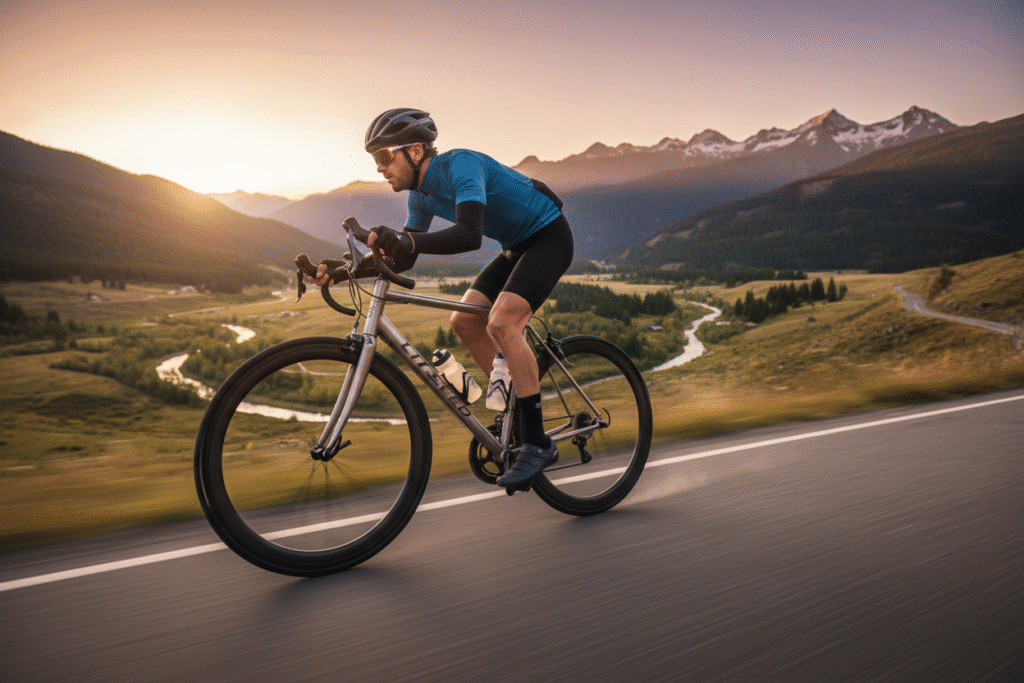
Teammachine SLR
BMC’s flagship road race bike. Stiff, light, and very direct.
It excels in:
- Climbing
- High-speed group riding
- Aggressive racing scenarios
The handling is precise without being twitchy, and it rewards riders who like a connected, responsive feel.
Roadmachine
An endurance-leaning road bike that doesn’t feel dull.
It offers:
- Slightly relaxed geometry
- Clearance for wider tires
- Excellent long-ride comfort
It’s a common choice for riders who want one road bike that can handle imperfect pavement without giving up speed.
Timemachine
BMC’s aero and TT platform. Deep tube profiles, extreme integration, and very little compromise.
This is a bike built for:
- Time trials
- Triathlon
- Riders who care about marginal gains
Fit and setup matter here more than anywhere else in the lineup.
URS
BMC’s gravel platform, and one of its most distinctive bikes.
The URS blends:
- Progressive gravel geometry
- MTT compliance
- Road-like responsiveness
It feels fast and controlled rather than soft and floaty, which appeals to riders who come from a road background.
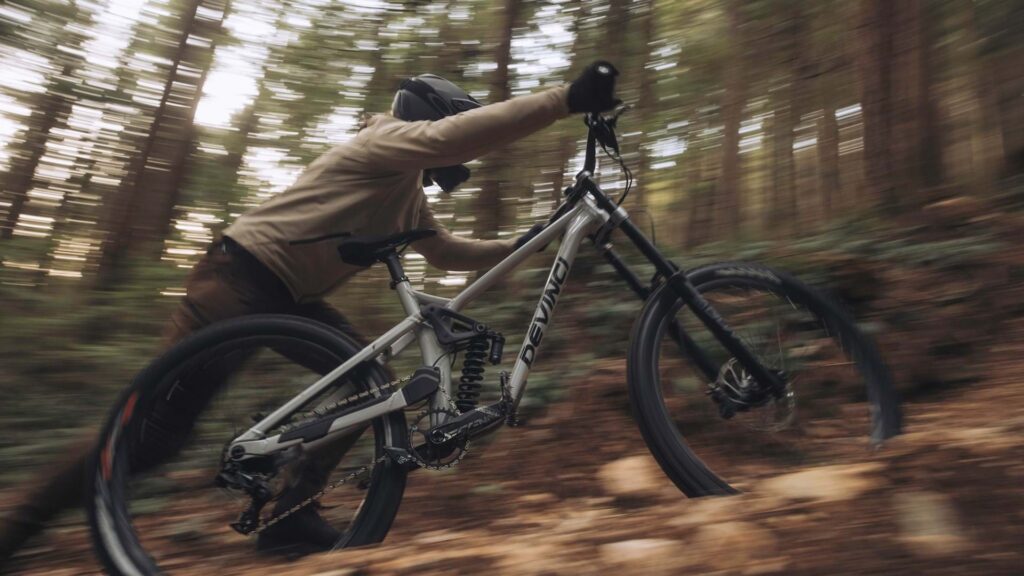
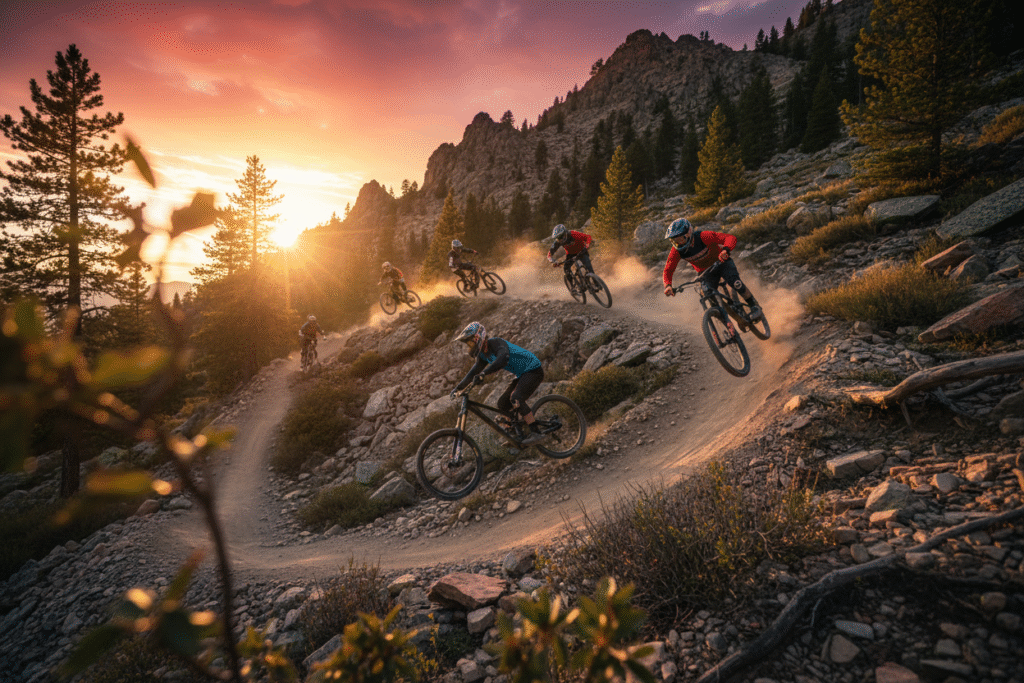
Fourstroke
A modern XC race bike with APS suspension.
It’s light, efficient, and extremely composed on technical climbs and descents. The Fourstroke is clearly built with racing in mind, but it doesn’t punish riders on longer trail days.
Twostroke
A hardtail that reflects BMC’s aggressive XC thinking.
Steep seat tube, slack front end, and a stiff frame make it an efficient climber that still feels confident on modern trails.
Alpenchallenge
BMC’s urban and fitness platform.
Clean lines, belt-drive options, integrated lighting, and commuter-friendly geometry make it one of the more refined city bikes on the market.
Ride Feel and Character
Across categories, BMC bikes share a similar personality.
- Handling: Precise and predictable
- Acceleration: Immediate without feeling harsh
- Stability: Calm at speed, especially on descents
- Noise: Very quiet frames and cockpits
They tend to reward smooth, deliberate riding rather than aggressive flicking or body English.
Ownership Experience
BMC ownership feels premium, but not casual.
- Setup often benefits from a knowledgeable shop
- Integrated components can increase service costs
- Replacement parts are well made, but not inexpensive
In return, you get bikes that age well, hold alignment, and tend to stay quiet and tight over time.
Strengths
- Deep engineering and carbon expertise
- Best-in-class integration
- Consistent ride quality across categories
- Distinct, restrained design language
- Proven race pedigree
- Strong balance between stiffness and comfort
Limitations
- Pricing is firmly premium
- Limited customization options
- Smaller dealer networks in some regions
- Integrated parts can be costly to replace
- MTB lineup is narrower than some competitors
Where BMC Fits in 2026
BMC isn’t trying to be the loudest brand in the room. It’s not chasing lifestyle narratives or nostalgia. Instead, it continues to refine a very specific idea of what a modern performance bike should be: clean, efficient, integrated, and thoughtfully engineered.
For riders who appreciate precision, restraint, and a bike that feels as intentional as it looks, BMC remains one of the most cohesive premium brands on the market. It’s a choice that tends to make sense over time — especially for riders who value consistency, design discipline, and a quietly confident ride feel.
FAQ
Are BMC bikes worth the price?
Yes. BMC bikes are premium-priced but offer top-tier engineering, integration, and ride quality.
Is BMC a good road bike brand?
Absolutely. The Teammachine SLR and Roadmachine are among the top road bikes globally.
Are BMC gravel bikes good?
Yes. The URS is one of the most advanced gravel bikes, especially with MTT compliance.
Does BMC make good mountain bikes?
Yes. The Fourstroke is a race-proven XC bike with advanced suspension and geometry.
Is BMC good for beginners?
Not usually. Their pricing and performance focus cater more to intermediate and advanced riders.
Are BMC e-bikes reliable?
Yes. Their AMP series uses premium drive systems with well-executed integration.
How does BMC compare to Specialized?
BMC leans more toward minimalism and integration, while Specialized focuses on innovation breadth and technology ecosystems.
Related Content:
- Trek Bicycles Review
- Specialized Bicycles Review
- Cervelo Bikes Review
- Best Road Bike Brands Guide
- Giant Bicycles Review
Why Trust This Review?
BestBikeBrands is built by lifelong cyclists with decades of real-world experience — in the shop, on the trail, and behind the wrench. Our goal is simple: to help riders choose the best bikes and gear with confidence, backed by expert insights and hands-on testing. Learn more about us →