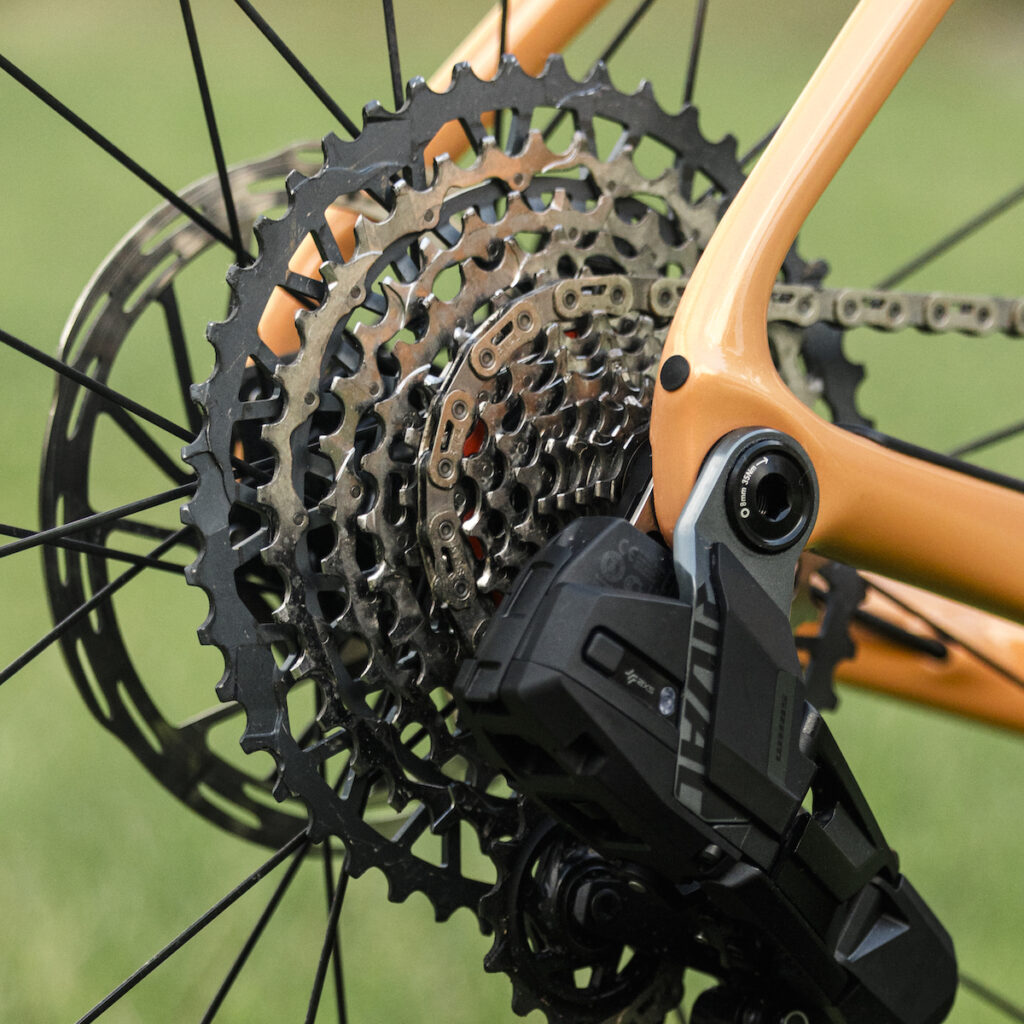
Choosing between SRAM Rival eTap AXS and Shimano 105 Di2 has become one of the most common dilemmas for modern road cyclists. Both groupsets deliver fully electronic shifting, clean drivetrains, consistent performance, and excellent ergonomics—yet they also differ in feel, tuning philosophy, gearing logic, and long-term upgrade paths. If you’re upgrading your bike or deciding which groupset should define your next build, understanding these differences will save you from expensive guesswork.
In this 2026 deep‑dive comparison, you’ll find a complete breakdown of performance, ride feel, gear range, ergonomics, maintenance, weight, value, and which rider each groupset truly suits. No hype—just a clear, structured guide to help you decide between two of the most important electronic drivetrains in road cycling.
At a Glance: How Rival AXS and 105 Di2 Compare
| Feature | SRAM Rival eTap AXS | Shimano 105 Di2 |
|---|---|---|
| Shifting System | Wireless | Semi‑wireless (wired derailleurs) |
| Feel | Crisp, mechanical‑digital | Smooth, refined, traditional Shimano |
| Gearing | Wide 1x & 2x options | Mostly 2x road‑focused |
| Weight | Slightly heavier | Slightly lighter overall |
| Braking | Powerful, firm lever feel | Smooth modulation, quieter |
| Battery | One battery per derailleur | Single main battery |
| Customization | High (AXS app) | Moderate (E‑Tube app) |
| Price | Typically higher | More affordable |
| Ideal Rider | Experimenters, 1x riders, tech‑forward cyclists | Traditional road riders, endurance cyclists |
1. System Architecture: Wireless vs Semi‑Wireless
SRAM Rival AXS: Fully Wireless Freedom
Rival AXS derailleurs each house their own rechargeable battery. Shifters communicate wirelessly to both derailleurs, making installation clean and simple. For home mechanics and frame-swappers, this is a huge advantage.
Pros:
- Easiest installation in the industry
- No internal wires to manage
- Modular and easy to swap components
- Compatible with AXS Road & MTB mixing
Cons:
- Two derailleur batteries to manage
- Slightly heavier components
Shimano 105 Di2: Wired Precision With Wireless Shifters
105 Di2 uses wireless shifters but wired derailleurs connected to a single internal battery. This keeps the bike’s electronic architecture centralized and extremely reliable.
Pros:
- Only one battery to charge
- Excellent stability and reliability
- Longest battery life of any Di2 generation
Cons:
- Requires internal wiring during installation
- Less flexible for swapping frames
Which System Suits You?
- Choose Rival AXS if you want simplicity.
- Choose 105 Di2 if you want centralized reliability.
2. Shifting Feel & Performance
Rival AXS: Digital Snap & Firm Engagement
SRAM’s shifts feel crisp, loud, and decisive. They’re quick under load and deliver a clean digital click. The system prioritizes consistency over near‑silent smoothness.
Best for riders who like:
- Audible feedback
- Distinct shift points
- Firm button feel
105 Di2: Refined, Silent, and Predictably Smooth
Shimano maintains its legendary shift feel. 105 Di2 prioritizes:
- Smooth transitions between gears
- Quiet operation
- Gentle but precise shift engagement
Best for riders who want:
- Seamless gear changes
- Classic Shimano refinement
3. Braking Performance
SRAM Rival AXS Brakes
- Firm lever feel
- Powerful initial bite
- Beneficial on long descents or aggressive riding
- May feel abrupt for endurance cyclists
Shimano 105 Di2 Brakes
- Smooth modulation
- Predictable lever curve
- Quieter overall
- A better match for endurance and long‑distance riders
Winner: Depends on feel preference. SRAM = power; Shimano = control.
4. Gearing Options & Range
Rival AXS
The clear winner for versatility.
Options include:
- 1x road setups (rare from Shimano)
- 2x with 46/33 or 48/35
- Cassettes up to 10–36 and even MTB 10–52 when mixed with Eagle AXS
Perfect for:
- Gravel
- Hilly terrain
- All‑road versatility
- Riders who like experimenting
105 Di2
Traditional 2x road gearing:
- 50/34 or 52/36
- 11–34 cassette max
Perfect for:
- Road cyclists
- Endurance riders
- Predictable cadence patterns
If you want 1x or big range: Choose Rival AXS. If you want classic road gearing: Choose 105 Di2.
5. Weight Comparison
While exact builds vary, the trend is consistent:
- 105 Di2 is lighter in most configurations.
- Rival AXS is typically 150–200g heavier.
If weight matters, Shimano gets the edge.
6. Customization & App Experience
AXS App (SRAM)
One of the best cycling apps available.
- Button remapping
- Firmware updates
- Battery tracking
- Cross‑compatibility with AXS ecosystem
E‑Tube (Shimano)
Clean and functional but less flexible.
- Firmware updates
- Shift speed adjustments
- Diagnosis tools
Winner: AXS, especially for riders who love tuning.
7. Maintenance, Charging & Reliability
Rival AXS
- Two removable batteries
- Easy to replace or swap mid‑ride
- Long-term battery cost is higher
- Wireless connections extremely stable
105 Di2
- One internal battery powering everything
- Only needs charging every few months
- Wired derailleurs = fewer connection variables
If you want ultimate reliability, 105 Di2 wins. If you want easy at-home service, Rival AXS wins.
8. Long‑Term Value & Upgrade Paths
Rival AXS Ecosystem
Huge advantage: AXS cross‑compatibility. You can mix:
- Red/Force parts
- Eagle AXS for mullet builds
- Power meters that bolt onto the crank spindle
105 Di2 Ecosystem
More limited.
- No mullet options
- No 1x road setups
- Fewer upgrade pathways
Rival AXS clearly wins for flexibility.
9. Price Comparison (Typical Street Pricing)
| Component Level | Rival AXS | 105 Di2 |
| Complete groupset | Higher | Lower |
| Replacement parts | Higher | Lower |
| Long-term cost | Higher due to batteries | Lower |
Shimano is the better value for classic road riders. SRAM is the better value for multi‑surface riders.
Which Should You Buy?
Choose SRAM Rival AXS if you:
- Want 1x or mullet gearing
- Ride gravel, all‑road, or steep terrain
- Prefer crisp, digital shifts
- Want easy installation and wireless simplicity
- Upgrade frequently or mix with other AXS parts
Choose Shimano 105 Di2 if you:
- Ride primarily on the road
- Want smooth, refined shifting
- Prefer predictable Shimano braking
- Want a lighter setup
- Value a single, long-lasting battery
Both groupsets deliver excellent electronic shifting—but they solve different problems.
Verdict
If you want maximum versatility, modern wireless design, and future-proof customization, SRAM Rival AXS is the more flexible platform. It serves gravel cyclists, all‑road riders, and experimenters better than any Shimano equivalent.
If you want smoothness, tradition, lighter weight, and set‑and‑forget reliability, Shimano 105 Di2 remains the gold standard for endurance road cyclists.
There’s no universal winner—only the right choice for your riding style.
Final Take
SRAM Rival AXS and Shimano 105 Di2 represent two different philosophies of performance road cycling. Rival AXS leans into modularity, modern gearing, and user‑friendly design. 105 Di2 leans into refinement, efficiency, and the classic Shimano feel. Your decision comes down to how—and where—you ride.
If your cycling life includes gravel, big climbs, tuning, and tech exploration—go Rival. If it includes long road miles, predictable cadence, and quiet perfection—go 105.
FAQ
Is SRAM Rival AXS better than Shimano 105 Di2?
Neither is objectively “better”—Rival is more versatile, while 105 Di2 is smoother and more road-oriented.
Which has better battery life?
105 Di2. Its single internal battery lasts significantly longer per charge.
Which is better for gravel?
Rival AXS—especially with mullet gearing and 1x setups.
Is Rival AXS heavier than 105 Di2?
Yes, typically by 150–200 grams.
Which shifts faster?
105 Di2 feels smoother; Rival AXS feels snappier. Both are fast.
Which is easier to install?
Rival AXS—its wireless setup is significantly simpler.
Related Content:
Why Trust This Guide?
BestBikeBrands is built by lifelong cyclists with decades of real-world experience — in the shop, on the trail, and behind the wrench. Our goal is simple: to help riders choose the best bikes and gear with confidence, backed by expert insights and hands-on testing. Learn more about us →