Overview
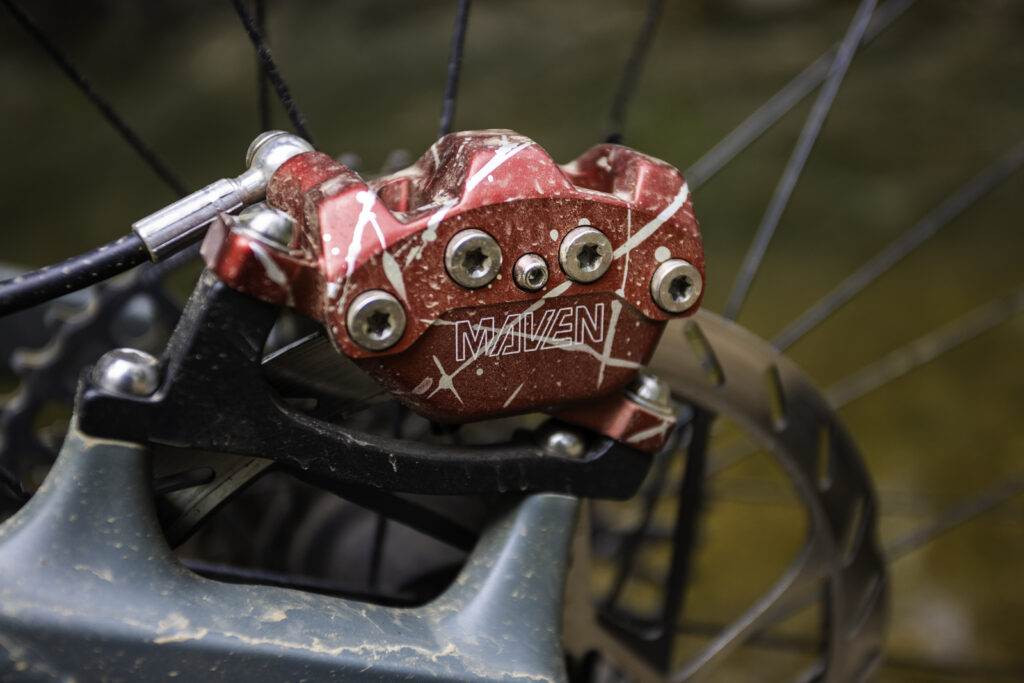
SRAM DOT-based brakes—Code, G2, and Level—use a closed-loop hydraulic system built around DOT 4 / DOT 5.1 fluid. These systems are powerful, consistent, and widely used across trail, enduro, DH, and XC bikes. Because DOT fluid is hygroscopic (absorbs moisture over time), these brakes require semi-regular bleeding to maintain peak performance.
A proper bleed restores lever feel, eliminates sponginess, and ensures consistent bite point.
Key Takeaways
- DOT fluid must be replaced regularly (every 6–12 months)
- DOT absorbs moisture → soft lever feel over time
- Bleeding Edge ports on modern calipers simplify the process
- Always remove pads before bleeding (DOT ruins them)
- Cleanliness is essential—DOT damages paint and finishes
Required Tools & Materials
- SRAM Pro Bleed Kit (DOT version)
- DOT 4 or DOT 5.1 brake fluid
- SR A M Bleeding Edge tool (for Code / G2)
- T10 or T15 Torx key
- 8mm open-end wrench
- Bleed blocks
- Isopropyl alcohol (for cleanup)
- Nitrile gloves, shop towels
Step-by-Step Bleed Process
1. Prepare the Bike
- Level the brake lever horizontally so air travels upward.
- Remove wheel.
- Remove brake pads.
- Insert bleed block.
- Protect frame and components from DOT exposure.
2. Prepare the Syringes
- Fill both syringes with fresh DOT fluid.
- Tap and purge all bubbles.
- Connect the Bleeding Edge syringe to the caliper syringe hose.
3. Connect Syringes
- Thread lever syringe into the bleed port.
- Insert Bleeding Edge tool into caliper and lock it.
- Push caliper syringe slightly to open the fluid port.
4. Push Fluid From Caliper → Lever
This is the critical step.
- Push the caliper syringe slowly.
- Watch bubbles rise into the lever syringe.
- Repeat pushing cycles until no bubbles appear.
5. Lever Cycling
With both syringes still attached:
- Squeeze the lever slowly.
- Hold 2–3 seconds.
- Release carefully.
- Tap the hose and lever body.
- Repeat 15–20 cycles.
This dislodges micro-bubbles.
6. Close Lever Port
- Clamp or plug the lever syringe hose.
- Unthread the lever syringe slowly.
- Wipe excess DOT fluid immediately.
7. Final Backfill
- Push gently on caliper syringe.
- This fills any vacuum created at the lever.
- Disconnect Bleeding Edge tool.
8. Reassembly
- Wipe rotor and caliper with alcohol.
- Reinstall pads.
- Reinstall wheel.
- Test lever feel.
A good bleed results in:
- Early bite point
- Firm lever
- Smooth return
Troubleshooting (DOT Systems)
Soft Lever
- Air trapped in lever → repeat lever bleed
- Air in caliper → repeat full system bleed
Weak Power
- Contaminated pads or rotors
- Old fluid
- Worn pads
Bite Point Wandering
- Micro-bubbles trapped near lever
Verdict: DOT Brake Systems
SRAM’s DOT Brakes—Code, G2, and Level—remain some of the most powerful mountain bike braking systems available. A proper bleed dramatically improves braking consistency and lever feel.
DOT systems require more regular maintenance than mineral-oil brakes, but they deliver excellent performance when maintained correctly.
FAQ
How often should I bleed SRAM DOT brakes?
Every 6–12 months, or sooner if lever feel softens or bite point becomes inconsistent.
Can I use mineral oil in SRAM DOT brakes?
No. DOT brakes require DOT 4 or DOT 5.1. Mineral oil destroys the seals.
Do I need the Bleeding Edge tool for DOT brakes?
Yes for Code and G2. Older Level brakes may use threaded ports.
Why is my lever still spongy after bleeding?
Air may still be trapped in the lever body — perform a lever-side micro-bleed.
Do I need to remove brake pads before bleeding?
Always. DOT fluid contaminates and permanently ruins brake pads.
How long does a DOT bleed take?
Around 20–30 minutes with proper tools.
Related Content:
- How to Bleed SRAM Mineral Oil Brakes
- How To Lube A Bike Chain
- How to Wash a Bike Safely
- SRAM DOT vs Mineral Oil Brakes
- How To Wax A Bike Chain
Why Trust This Guide
BestBikeBrands is built by lifelong cyclists with decades of real-world experience — in the shop, on the trail, and behind the wrench. Our goal is simple: to help riders choose the best bikes and gear with confidence, backed by expert insights and hands-on testing. Learn more about us →