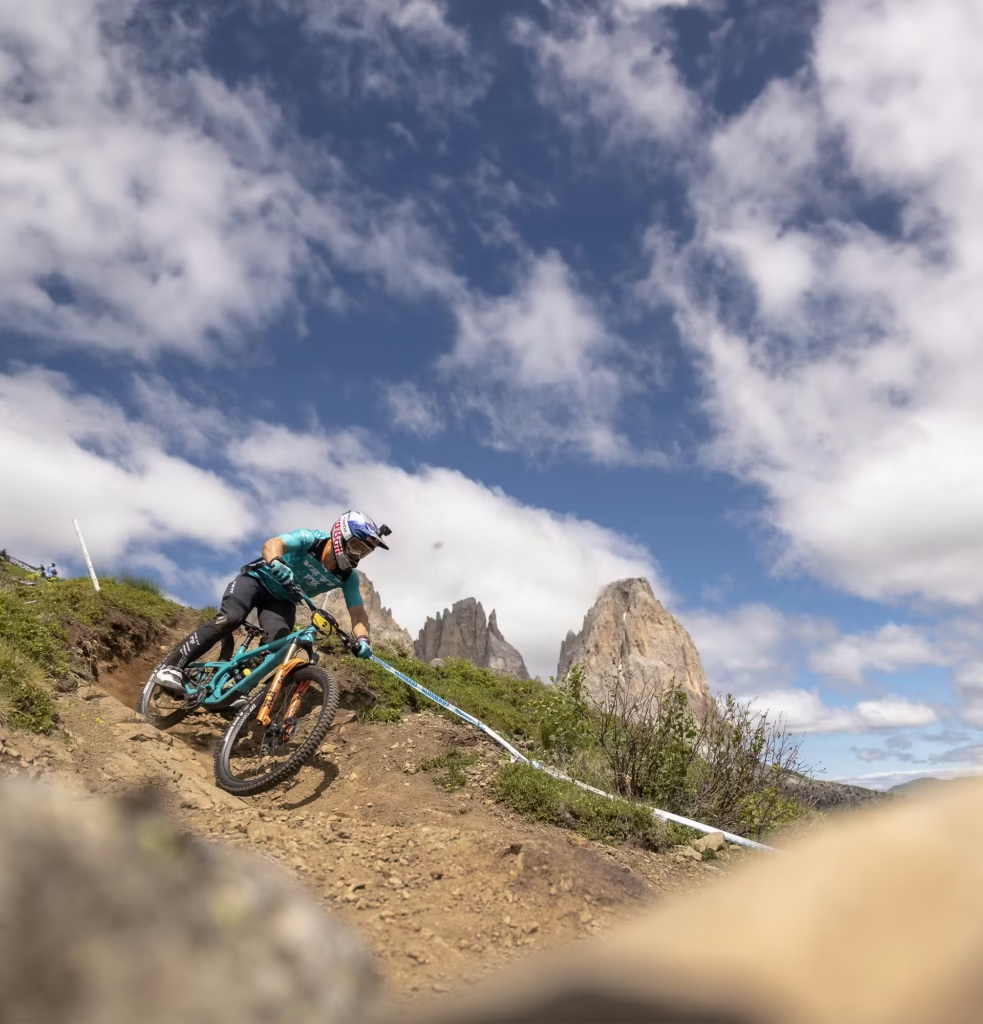
Trail bikes under $2,000 represent one of the most important categories in mountain biking. This is where new riders buy their first “real” bike, where budget-conscious riders look for capability without premium pricing, and where modern geometry and competent suspension have finally made high-value trail bikes more practical than ever. In 2026, aluminum frames, wide-range drivetrains, 29-inch wheels, and solid air suspension forks have become standard at this price point—something that wasn’t true even a few years ago.
But there’s still a huge spread in performance, reliability, and real-world trail readiness. Some bikes are surprisingly capable and durable for the money, while others cut corners in critical areas like brakes, wheels, or suspension. This guide focuses exclusively on the models that deliver true mountain biking capability for under $2,000—bikes that hold up on rough local trails, punchy climbs, flow tracks, technical singletrack, and everything in between.
If you want a bike that climbs reliably, descends predictably, and doesn’t require constant upgrades just to survive real trail riding, these are the bikes that stand out in 2026.
Key Takeaways
- $2,000 is enough to buy a legitimate, trail-capable bike with modern geometry and air suspension.
- Hardtails dominate this price class for reliability; full-suspension bikes exist but make compromises.
- Look for air forks, 1×11 or 1×12 drivetrains, hydraulic brakes, and 29-inch wheels.
- Good geometry matters more than drivetrain brand names at this price point.
- Direct-to-consumer brands still offer the best equipment for the money.
- Avoid bikes with coil forks, quick releases, or outdated geometry.
Top Picks Overview Table
| Bike | Type | Best For | Price | Why It Makes the List |
|---|---|---|---|---|
| Giant Fathom 1 | Hardtail | All-around trail riding | ~$1,799 | Great fork, modern geo, extremely reliable |
| Co-op DRT 2.2 | Hardtail | New riders on real trails | ~$1,899 | REI support + modern performance |
| Marin Bobcat Trail 5 | Hardtail | Value + durability | ~$1,299 | Best geometry at its price |
| Trek Roscoe 6 / 7 | Hardtail | Confidence for beginners | $1,399–$1,699 | Big tires + stable handling |
| Canyon Stoic 2 / 3 | Hardtail | Aggressive riding | $1,399–$1,799 | Great value + strong frame |
| Polygon Siskiu D5/D6 | Full suspension | Budget FS option | $1,599–$1,899 | True trail FS at an accessible price |
| Specialized Rockhopper Elite | Hardtail | Light trails & XC | ~$1,150 | Lightweight + reliable |
1. Giant Fathom 1 — Best Overall Trail Bike Under $2,000
The Giant Fathom 1 is one of the most capable sub-$2,000 trail hardtails available. With 130 mm of front travel, updated geometry, and Giant’s ALUXX SL frame, it delivers a blend of climbing efficiency, descending confidence, and all-day comfort that few bikes match at this price.
Why It Leads the Category
- Quality air fork (often a Recon or better depending on region)
- Excellent frame quality and stiffness
- Modern geometry (longer reach, steeper seat tube)
- Dropper post included
- Consistent, reliable wheelset and cockpit
Ride Feel
Stable, predictable, and balanced. A perfect match for riders who want a bike that climbs well and handles rough local trails without being overly aggressive.
2. Co-op DRT 2.2 — Best for New Riders Who Want Real Support
Sold through REI, the DRT 2.2 is built for reliability, comfort, and easy service. It’s often the best choice for riders who want local shop support and a trustworthy build at a fair price.
Why It Stands Out
- REI assembly, warranty, and tune-ups
- Modern geometry with good standover
- Quality air fork
- Strong Shimano drivetrain and brakes
Ride Feel
Comfortable, confidence-inspiring, and easy to control—ideal for riders who want a stable platform to learn on.
3. Marin Bobcat Trail 5 — Best Budget Geometry & Value
At well under $1,500, the Bobcat Trail 5 offers geometry and handling that punch well above its category. Marin nailed the reach, seat angle, and head angle, giving this bike a modern trail feel rarely seen at this price.
Why It’s a Value Standout
- Excellent geometry
- Solid fork for the money
- Reliable drivetrain
- Durable wheels
Ride Feel
Lively, nimble, and more capable than price suggests. Perfect for riders budget-conscious but still wanting modern performance.
4. Trek Roscoe 6 / 7 — Best for Maximum Confidence
Trek’s Roscoe series is known for its stability and beginner-friendly ride feel. With wide 2.6–2.8” tires and relaxed geometry, it smooths out chattery trails and boosts confidence on mixed terrain.
Why It’s Great for Newer Riders
- Massive tires = grip and comfort
- Well-tuned air forks on higher trims
- Stable and predictable handling
- Very approachable geometry
Ride Feel
Softens trail chatter and helps riders maintain control on rougher terrain. Not the fastest climber, but extremely forgiving.
5. Canyon Stoic 2 / Stoic 3 — Best for Aggressive Riding
The Stoic is designed for riders who push harder than most hardtail buyers. With a strong frame, slack head angle, and solid parts, it can handle rougher riding and small jumps better than many competitors.
Why It’s a Top Contender
- Aggressive geo for descending
- Durable frame built to take hits
- Good fork and drivetrain options
- DTC pricing = strong value
Ride Feel
Rowdy and stable. A great match for more aggressive riders who want to push a hardtail’s limits.
6. Polygon Siskiu D5/D6 — Best Full-Suspension Under $2K
If you want true full suspension under $2,000, the Siskiu D-series offers the best blend of geometry, value, and real-world performance.
Why It’s the Best FS in This Price Range
- True trail geometry
- Air shock + air fork (rare at this price)
- Stable suspension kinematics
- Direct-to-consumer value
Ride Feel
Much smoother and more forgiving than most budget FS options. Ideal for mixed-terrain riding and rougher trails.
7. Specialized Rockhopper Elite — Best Lightweight Option
The Rockhopper Elite is lighter and more XC/trail-oriented, making it ideal for riders who want a fast-feeling bike that still handles green-to-blue level trails well.
Why It Makes the List
- Light alloy frame
- Good drivetrain
- Durable, reliable components
- Great for fitness riders and beginners
Ride Feel
Fast, efficient, and responsive—perfect for smoother singletrack and light trail riding.
What to Look for in a Sub-$2,000 Trail Bike
1. Air Suspension Fork
A must. Avoid coil forks—they’re heavier and less adjustable.
2. Hydraulic Disc Brakes
Essential for real trail riding.
3. Modern Trail Geometry
- 66–67° head angle
- 74–76° seat angle
- Adequate reach for stability
4. Tubeless-Ready Wheels
A huge upgrade path for reliability and traction.
5. Drivetrain
1×11 or 1×12 drivetrains are now standard and reliable.
6. Dropper Post
Not required, but a major performance benefit.
Pros & Cons of This Price Tier
Pros
- Excellent value
- Strong alloy frame quality
- Solid geometry across major brands
- Great for developing skills
Cons
- Components aren’t premium
- Wheels often need upgrades later
- Weight is higher than mid-tier bikes
Verdict
Trail bikes under $2,000 in 2026 are more capable than ever. Improvements in aluminum frame design, suspension tuning, and budget-friendly drivetrain technology have closed the gap between entry-level and mid-range performance. Riders who want a reliable, confidence-inspiring machine without overspending have multiple excellent options.
The Giant Fathom 1, Co-op DRT 2.2, and Marin Bobcat Trail 5 represent the best overall value, while the Trek Roscoe and Canyon Stoic cater to riders with specific preferences for stability or aggression. The Polygon Siskiu D-series is the clear choice for riders set on full suspension, and the Rockhopper Elite remains a solid lightweight option.
Any of these bikes will take you from your first real trail ride to years of weekend riding with confidence.
FAQ
Are trail bikes under $2,000 good for real mountain biking?
Yes. Many sub-$2k hardtails and select full-suspension models are fully capable of handling modern trails.
Is a hardtail better than full suspension at this price?
Usually, yes. Hardtails offer better components and reliability under $2k.
What’s the first upgrade I should make?
Tubeless tires or a dropper post—both improve performance significantly.
Do I need 12-speed?
No. 11- or 12-speed both work well as long as gearing range is adequate.
Are direct-to-consumer bikes worth it?
Yes, especially brands like Polygon or Canyon that offer high value for the price.
Related Content:
- Best Trail Bikes Under $3000
- Best Gravel Bike Tires
- How To Choose The Right Tire Pressure
- Best Mountain Bike Tires
- How To Lube A Bike Chain
Why Trust This Guide?
BestBikeBrands is built by lifelong cyclists with decades of real-world experience — in the shop, on the trail, and behind the wrench. Our goal is simple: to help riders choose the best bikes and gear with confidence, backed by expert insights and hands-on testing. Learn more about us →