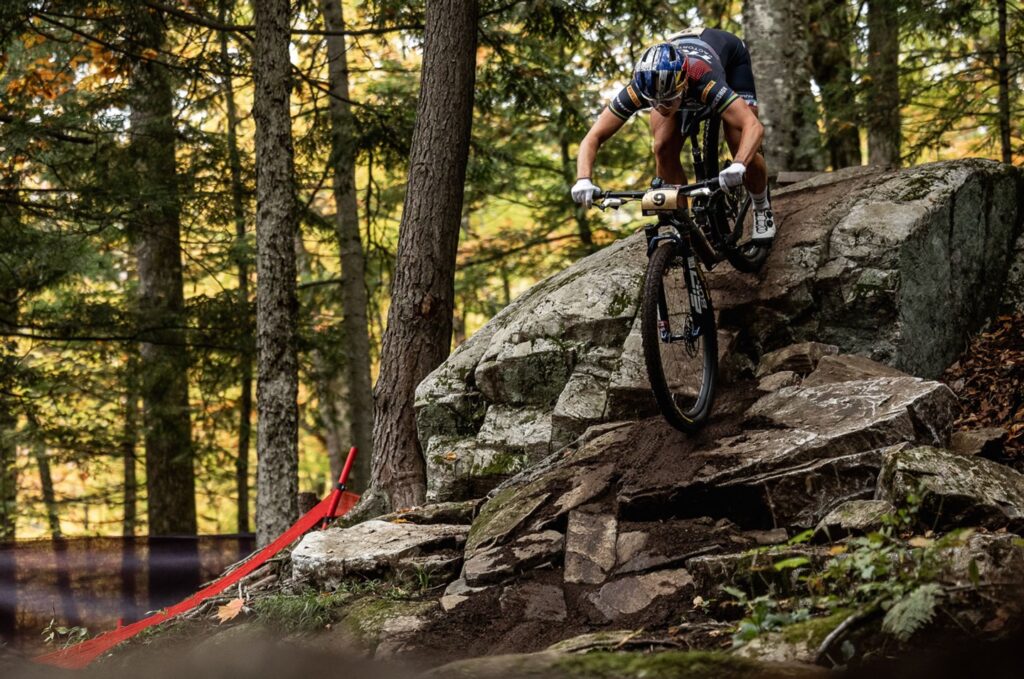
SRAM’s braking ecosystem has undergone one of the biggest evolutions in its history. For nearly two decades, SRAM was a DOT‑fluid-only brand, powering Code, Guide, G2, and Level brakes with a system built for consistent high‑performance stopping. But with the introduction of DB8 and later Maven, SRAM expanded into mineral oil—a move that reshaped service needs, performance characteristics, and long-term maintenance expectations.
In 2026, many riders are now choosing between two very different SRAM brake philosophies: DOT vs mineral oil. Each has strengths, trade-offs, and ideal rider profiles. This guide breaks them down with a mechanic-first approach so you can choose the right system for your riding style, maintenance preferences, and terrain.
Key Takeaways
- DOT = power consistency, heat resistance, high service frequency
- Mineral oil = long-term stability, easier maintenance, less corrosion risk
- Maven sets a new bar for power in mineral oil systems
- Code & G2 remain benchmarks for modulation and user tuning
- DB8 is the simplest SRAM brake ever to maintain
- The right system depends heavily on ride style, terrain, and maintenance habits
1. Understanding DOT vs Mineral Oil Fundamentals
Hydraulic brakes rely on fluid that transmits force. The fluid you choose affects:
- Power consistency
- Service intervals
- Heat performance
- Seal longevity
- Lever feel stability
- Bleed difficulty
DOT Brake Characteristics
SRAM’s traditional ecosystem uses DOT 4 / DOT 5.1, similar to automotive systems.
Pros:
- High boiling point
- Excellent heat resistance
- Fast lever feel recovery
- Consistent under aggressive riding
Cons:
- Hygroscopic (absorbs moisture)
- Requires regular bleeds
- Damages paint
- More messy and caustic
Mineral Oil Characteristics
Mineral oil brakes (DB8, Maven) are designed around long-term stability.
Pros:
- Doesn’t absorb moisture
- Longer bleed intervals
- Less corrosive, safer to handle
- More stable feel over time
Cons:
- Lower heat tolerance than DOT (in most systems… until Maven)
- Requires different seals and hoses
- Not cross-compatible with DOT parts
2. Which SRAM Brakes Use DOT vs Mineral Oil?
DOT Systems (Traditional SRAM)
- Code R / Code RSC
- G2 R / RS / RSC
- Level T / TL / TLM / Ultimate
- Legacy: Guide series
Mineral Oil Systems
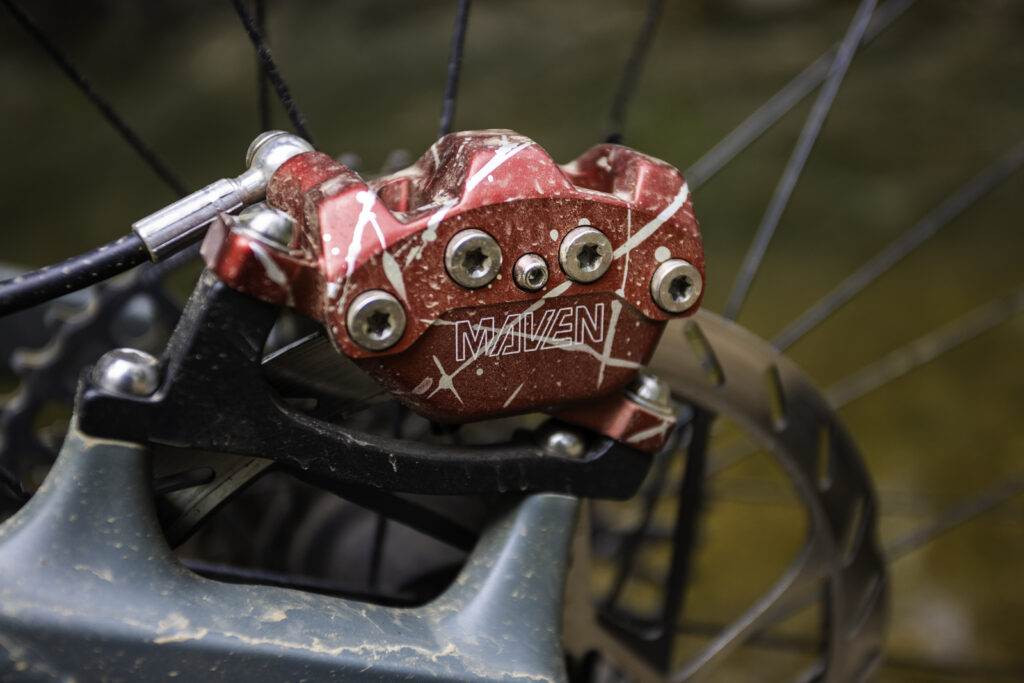
- Maven (Power-focused, gravity ready)
- DB8 (Budget, low-maintenance)
This split means riders now have meaningful choice based on riding style and maintenance philosophy.
3. Performance Characteristics Compared
This section explains how each fluid type influences ride feel, braking consistency, and modulation.
Lever Feel
DOT Systems
- Snappy engagement
- Quick recovery on steep descents
- Predictable modulation
- Sensitive to micro‑bubbles
Mineral Oil Systems
- Slightly smoother initial engagement
- Extremely stable over months of use
- Maven offers firmer feel than DB8
Winner: Depends on taste. DOT = crisp. Mineral = smooth.
Heat Management
This is one of the biggest differentiators.
DOT Systems
- Historically the gold standard for heat tolerance
- Code brakes maintain consistent feel under hard DH braking
- DOT fluid resists boiling and fade very well
Mineral Oil Systems
- DB8 is not designed for extreme heat (not a downhill brake)
- Maven changed everything — power + massive heat capacity rivaling Code
Winner for aggressive/steep terrain: DOT (Code) or Mineral (Maven).
Winner for general riding: Mineral oil.
Service Intervals
DOT Systems
- Needs bleeding every 6–12 months
- Faster if you ride wet or brake heavily
- DOT absorbs moisture → spongy feel over time
Mineral Oil Systems
- Bleed every 12–24 months
- Doesn’t degrade like DOT
- Much easier long-term maintenance
Winner: Mineral oil.
Maintenance Difficulty
DOT
- Two-syringe system
- Messier
- Bleeding Edge calipers simplify but still require full process
- Highly sensitive to contamination
Mineral
- Mostly lever-side bleeds
- Cleaner, safer
- Fewer steps, fewer problems
Winner: Mineral oil.
4. Real-World Ride Impressions
DOT Brakes (Code, G2, Level)
These systems feel tuned for riders who push braking performance.
- Code = big-power, confident, ultra-consistent
- G2 = trail brake with excellent modulation
- Level = lightweight XC feel
DOT systems reward riders who:
- Ride steep terrain
- Brake hard and frequently
- Race enduro, DH, or aggressive trail
Mineral Oil Brakes (Maven, DB8)
DB8
- Smooth, predictable
- Extremely low maintenance
- Ideal for e-bikes and recreational riders
Maven
- A breakthrough for mineral oil
- Power exceeds Code RSC
- More consistent on long descents
- Tunable via piston insert kits
Mineral oil systems reward riders who:
- Prefer maintenance-free ownership
- Want smoother lever feel
- Value long-term consistency
- Ride trail, enduro, or gravity (Maven)
5. Heat Fade Resistance
This is where fluid chemistry matters.
DOT
Pros:
- High boiling point
- Best-in-class fade resistance
- Brake feel stays consistent under repeated hard braking
Mineral Oil
Pros:
- More stable over time
- Safer to handle Cons:
- Historically lower boiling points… until Maven
Maven’s Impact
Maven’s oversized pistons + massive heat sinks + mineral oil formulation = a system capable of handling bike-park braking loads.
Mineral oil is no longer a “light-duty” brake fluid.
6. Longevity & Component Wear
DOT
- Fluid degrades faster due to moisture absorption
- Seals wear faster under harsh conditions
- Needs frequent maintenance
Mineral
- Longer-lasting seals
- Fluid remains stable
- Brakes maintain feel for much longer
Winner: Mineral oil.
7. Cost & Ownership
DOT Systems
- Bleed kits cost more
- Fluid is cheaper
- More frequent bleeds increase long-term cost
Mineral Systems
- Bleed kits are cheaper
- Fluid is slightly more expensive
- Far fewer bleeds needed
Winner: Mineral oil for lifetime cost.
8. DOT vs Mineral Oil: Rider Type Recommendations
| Rider Type | Best Fluid | Reason |
|---|---|---|
| DH Racers | DOT or Maven | Best heat management |
| Enduro Riders | DOT or Maven | Power + consistency |
| Trail Riders | Mineral | Low maintenance, great performance |
| XC Riders | DOT (Level) | Lightest weight |
| E-Bike Riders | DB8 or Maven | Durability + stability |
| Casual / Recreational | Mineral | Maintenance-free |
9. Final Verdict
DOT and mineral oil both deliver excellent braking — the best choice depends on your riding demands and maintenance preferences.
Choose DOT if you want:
- Maximum heat resistance
- The most powerful legacy SRAM systems (Code RSC)
- Race-level consistency
- Snappy lever feel
Choose Mineral Oil if you want:
- Long service intervals
- Cleaner maintenance
- Smooth lever feel
- Outstanding performance (especially Maven)
SRAM has successfully split its ecosystem so riders can choose between performance-first DOT systems and low-maintenance mineral oil systems—without compromising stopping power.
FAQ (DOT vs Mineral Oil)
Which SRAM brakes use DOT fluid?
Code, G2, Level, and older Guide models.
Which SRAM brakes use mineral oil?
Maven and DB8.
Is DOT more powerful than mineral oil?
Not necessarily. Maven mineral-oil brakes now exceed Code in peak power.
Which system is easier to bleed?
Mineral oil (DB8, Maven).
Which lasts longer before needing service?
Mineral oil.
Can I mix DOT and mineral oil?
Never. They are not cross‑compatible.
Related Content:
- How to Bleed SRAM DOT Brakes
- Best Chain Wear Tools
- How to Bleed SRAM Mineral Oil Brakes
- SRAM vs Shimano
- Best Bike Chain Lube
Why Trust This Guide?
BestBikeBrands is built by lifelong cyclists with decades of real-world experience — in the shop, on the trail, and behind the wrench. Our goal is simple: to help riders choose the best bikes and gear with confidence, backed by expert insights and hands-on testing. Learn more about us →