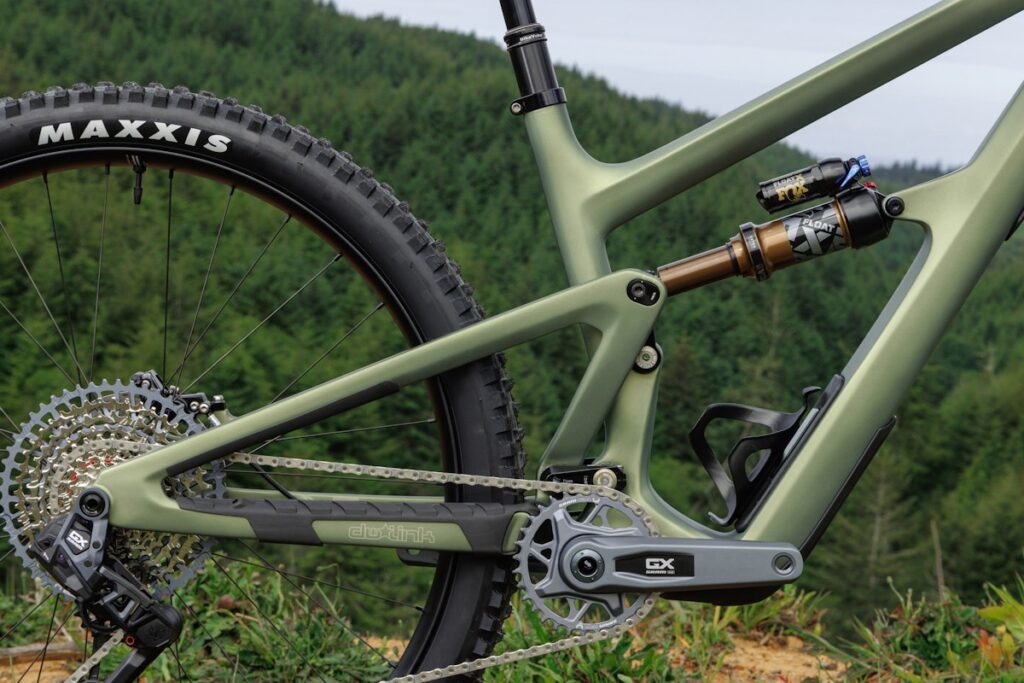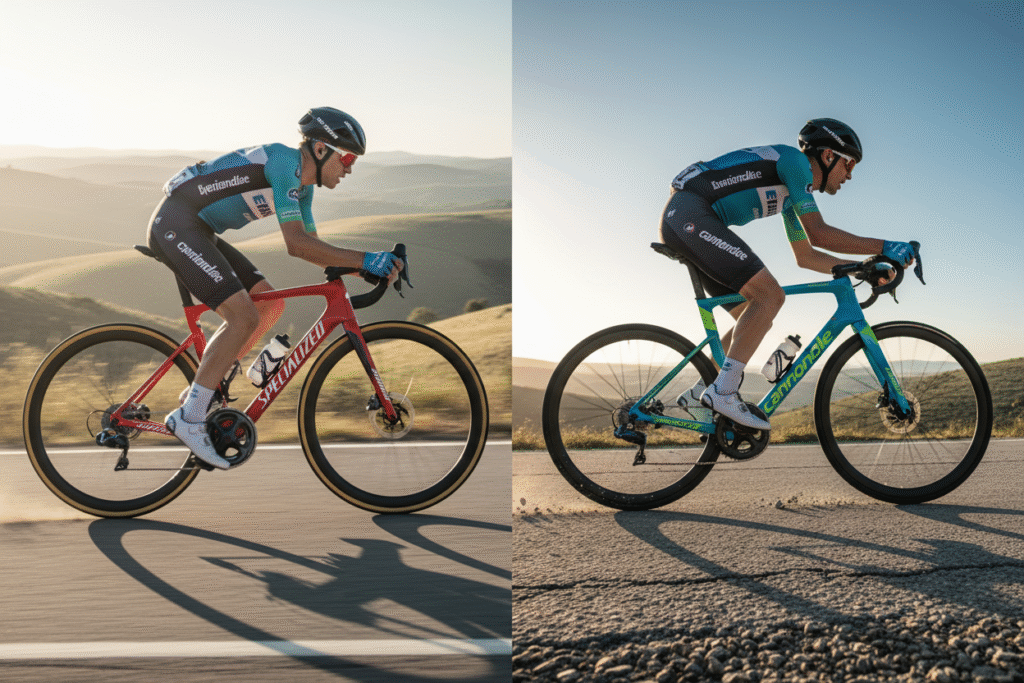
If you’re trying to decide between Specialized and Cannondale, you’re weighing two of the most influential names in modern cycling. Both brands have shaped road biking, mountain biking, gravel, and e-bike categories for decades. Both have massive fan bases. Both have innovation-heavy lineups. And both make bikes that can easily become your go-to machine for years.
But the two brands aren’t identical — far from it. Their engineering philosophies, design priorities, ride feel, and price strategies differ in ways that matter. Specialized leans toward precision, race heritage, and refinement. Cannondale goes for engineering creativity, comfort-first geometry, and high-value performance. The question isn’t “Which brand is better?” but “Which brand is better for you?”
This deep comparison frames the Specialized vs. Cannondale choice for the everyday rider who simply wants the right bike — the one that fits their riding style, terrain, comfort preferences, and long-term goals. Whether you’re entering the road world, exploring gravel, upgrading your trail setup, or eyeing your first e-bike, this guide gives you the clarity you need.
Key Takeaways
- Specialized delivers high-performance, race-bred bikes with premium materials and elevated price points.
- Cannondale prioritizes rider comfort, engineering innovation, and strong value at nearly every tier.
- Both brands excel across road, MTB, gravel, and e-bikes — but their ride feel and personality differ.
- Specialized is ideal for riders chasing sharp handling and responsive power transfer.
- Cannondale suits riders who want stability, endurance-ready geometry, and versatility.
- Your decision depends heavily on how (and where) you ride — not just brand reputation.
1. Brand Background: The DNA of Specialized vs. Cannondale
Even before comparing categories and models, it’s useful to understand what each brand stands for — because that identity shows up in every bike they make.
Specialized: The Precision-Driven Performance Brand
Specialized was founded in 1974 and grew rapidly by obsessing over performance engineering. The brand has always leaned toward racing — from the earliest Stumpjumpers to modern-day Tarmac and Epic frames ridden in premier events. Specialized builds bikes as tools of precision: fast, sharp-handling, highly integrated, and deeply optimized.
In 2026, Specialized maintains its reputation for technical leadership. Their frames often feature aero shaping, advanced carbon layups, and a “race-forward” personality, even in non-race models. They take comfort seriously, but performance is always the north star.
Cannondale: The Engineering-First Innovator
Founded in 1971, Cannondale became the rebel engineer of the bike world — designing oversized aluminum frames, single-leg Lefty forks, and bold concepts that challenged industry norms. Their bikes were built around practical innovation: stiffness, comfort, and efficiency achieved through unconventional approaches.
Today, Cannondale focuses on rider experience: comfort, stability, control, and capability across varied terrain. They create bikes that ride smoothly and invite longer hours in the saddle. When riders say a Cannondale “just feels good,” that’s the brand identity at work.
Big Picture: What This Means for You
- Specialized = Precision, power, and fast-twitch handling.
- Cannondale = Smooth, stable, and engineered for real-world riding.
If you’re a speed-first rider, Specialized naturally feels right. If you value comfort or terrain diversity, Cannondale tends to click immediately.
2. Design Philosophy: How Each Brand Builds a Bike
This section digs into the core difference in how Specialized and Cannondale think about frame design, ride feel, and overall functionality.
Specialized: Integration Above All
Specialized prioritizes aerodynamic shaping, carbon optimization, and proprietary integration. Their bikes often feature:
- Deeply engineered carbon layups designed for specific flex and stiffness zones
- Integrated cockpit systems for cleaner lines and better aero efficiency
- Brand-specific technology (Future Shock, SWAT storage, proprietary motor systems)
- Refined geometry that rewards power transfer and precise steering
The result: Specialized bikes feel purpose-built. They’re engineered from the ground up as cohesive systems, not collections of parts.
Cannondale: Comfort, Efficiency, and Pragmatic Innovation
Cannondale’s philosophy centers around blending comfort with real-world performance. Their frames frequently incorporate:
- SAVE micro-suspension shaping for vibration absorption
- Balanced geometry for stable handling and predictable cornering
- Lightweight aluminum mastery (CAAD series)
- Clever engineering tricks (Lefty forks, Kingpin suspension)
Cannondale builds bikes that soften road chatter, maintain traction, and stay composed. Their design thinking is less about integration and more about functional engineering that improves ride feel.
Which Philosophy Fits Which Rider?
- Specialized suits riders who value precision, speed, responsiveness, and a “connected” feel to the road or trail.
- Cannondale appeals to riders who value comfort, balance, versatility, and all-day rideability.
Neither is better — they just solve the rider equation differently.
3. Tech & Innovation Breakdown: Head-to-Head
This is where the brands diverge most clearly. Let’s compare system by system.
1. Frame Materials & Engineering
Specialized:
- Heavy reliance on advanced carbon technologies.
- Aero-forward shaping even in endurance categories.
- High stiffness-to-weight ratios for explosive acceleration.
Cannondale:
- World-class aluminum engineering.
- Balanced carbon designs that focus on comfort and stability.
- Flex zones and micro-suspension concepts to absorb terrain.
Winner: Depends on preference — Specialized for racers, Cannondale for comfort and value.
2. Integration & Proprietary Tech
Specialized: Ultra-integrated systems like:
- Future Shock front suspension
- SWAT frame storage
- Custom motor systems for e-bikes
- Specialized-only cockpit and aero components
Cannondale: Innovative yet service-friendly:
- Lefty single-leg fork
- Kingpin rear suspension for gravel
- SAVE micro-suspension stays
- Third-party motor systems (Bosch, Shimano)
Winner: Specialized for high-performance integration; Cannondale for accessible maintenance.
3. Geometry Profiles
Specialized geometry is generally:
- Sharper
- Lower
- More aggressive
- Tuned for speed and out-of-saddle power transfer
Cannondale geometry tends to be:
- Slightly longer
- More stable
- Upright for comfort
- Designed for confident handling on long rides
Winner: Specialized for racing feel; Cannondale for endurance.
4. Suspension Concepts (MTB & Gravel)
Specialized:
- Stumpjumper’s progressive linkage feels lively and playful
- Epic’s Brain system rewards race pacing
- Gravel Future Shock adds vertical compliance
Cannondale:
- Lefty fork improves small-bump sensitivity
- Kingpin pivot delivers seated comfort on gravel
- Full-suspension MTBs emphasize traction and forgiveness
Winner: Tie — Specialized for efficiency, Cannondale for comfort & traction.
4. Category Breakdown: Road, Gravel, MTB, E-Bikes
Now we compare how each brand performs in each major category.
Road Bikes
Specialized Road Personality: fast, efficient, razor-sharp. Cannondale Road Personality: smooth, stable, confidence-inspiring.
Specialized strengths:
- Leading aero engineering (Tarmac, Aethos)
- Tight, responsive handling
- Excellent carbon performance across tiers
Cannondale strengths:
- Exceptional comfort and compliance (Synapse)
- Balanced geometry suited for all-day riding
- Strong aluminum options (CAAD series)
Who wins? Specialized for racers, Cannondale for everyday road riders.
Gravel Bikes
Specialized Diverge: tech-forward with Future Shock versatility. Cannondale Topstone: comfortable, capable, adventure-ready.
Winner: Diverge for performance-minded gravel; Topstone for exploration and comfort.
Mountain Bikes
Specialized MTB Personality: precise, efficient, competition-driven.
Cannondale MTB Personality: forgiving, stable, and good for varied terrain.
Who wins? Specialized for XC & trail speed; Cannondale for comfort-focused trail riders.
E-Bikes
Specialized: proprietary motors, sleek integration, premium feel.
Cannondale: partner motors (Bosch/Shimano), excellent value and serviceability.
Winner: Specialized for refinement, Cannondale for practical ownership.
5. Ride Quality: The Real-World Difference
How Specialized Feels to Ride
- Snappy acceleration
- High responsiveness
- Efficient power transfer
- Race-bred steering sharpness
- Feels fast even at low speeds
Great for: riders who love feeling connected and “on the rivet.”
How Cannondale Feels to Ride
- Smooth and controlled
- Predictable steering
- Excellent vibration damping
- Stable descending
- Encourages longer, steadier rides
Great for: riders who value comfort, confidence, and versatility.
6. Price & Value Comparison
Specialized:
- Higher pricing at nearly every tier
- Premium finishes and integration
- Strong resale value
Cannondale:
- Excellent mid-tier pricing
- Strong spec for the money
- Ideal for enthusiasts who want performance without luxury pricing
Value Verdict: Cannondale wins for cost-conscious riders; Specialized wins for those who value refinement.
7. Strengths & Weaknesses
Specialized: Strengths
Specialized consistently delivers a high-performance feel across nearly every category. Their engineering is dialed toward precision — meaning the bikes feel reactive, quick, and intentionally sharp. Riders who thrive on efficiency, hard accelerations, and responsive steering will immediately notice the refinement. Specialized also excels at integration: clean aero profiles, cockpit systems that reduce drag and clutter, and frames that feel like fully unified platforms. Their carbon layups are among the most advanced in the industry, and the brand carries deep racing pedigree, which translates into proven geometry.
Specialized: Weaknesses
The biggest downside is pricing. Specialized commands a premium, even for mid-tier builds, and that price difference can be felt when comparing like-for-like components. The high level of proprietary integration, while beneficial for performance, can create servicing limitations. Some riders also find Specialized bikes a bit too stiff or demanding on long, relaxed rides — great for racing, not as ideal for comfort-seeking cyclists.
Cannondale: Strengths
Cannondale shines in balanced ride quality and overall value. Their bikes are engineered with comfort-first philosophies like SAVE micro-suspension, stable geometry, and subtle compliance elements built directly into frames. This makes Cannondale an excellent all-rounder brand — riders get performance without sacrificing comfort. They also excel at aluminum engineering, which gives budget-friendly models real performance credibility. Their gravel lineup, especially Topstone, is known for versatility and capability.
Cannondale: Weaknesses
While Cannondale offers strong engineering, they don’t typically match the ultra-premium finish, integration, or race focus of Specialized. Their highest-tier models sometimes feel slightly less refined in areas like stiffness-to-weight and aggressive aero shaping. And while Cannondale has created iconic innovations (Lefty, Kingpin), those features can also feel polarizing or unfamiliar to riders used to traditional setups.
8. Comparison Table: Brand Identity Snapshot
| Category | Specialized | Cannondale |
|---|---|---|
| Ride Feel | Sharp, quick, performance-tuned | Smooth, stable, comfort-first |
| Geometry | Aggressive, race-oriented | Endurance-friendly, upright options |
| Value | Premium pricing across tiers | Excellent specs-to-price ratio |
| Tech Philosophy | Integration, aero shaping, proprietary solutions | Engineering-driven comfort, practical innovation |
| Ideal For | Racers, competitive riders, speed-seekers | Endurance riders, all-rounders, budget-smart shoppers |
9. Pricing & Value: How Far Your Budget Goes
Specialized Pricing Reality
Across categories, Specialized prices sit firmly at the higher end. A base-level model often costs more than similarly equipped competitors, including Cannondale. Part of this is branding, part is the extensive R&D, and part is their integration approach, which adds manufacturing cost. While their bikes hold resale value exceptionally well, the upfront cost tends to deter cost-sensitive shoppers.
Cannondale Pricing Reality
Cannondale delivers excellent value across mid-tier and enthusiast levels. Their aluminum frames rival many brands’ carbon performance, and their carbon builds often include better component value than similarly priced Specialized equivalents. Their gravel and endurance lines especially tend to deliver more “ride quality per dollar.”
Who Wins on Value?
If your priority is maximizing performance-per-dollar, Cannondale is the clear winner. If your priority is outright refinement and top-end engineering — and price isn’t the deciding factor — Specialized delivers.
10. Which Brand Should You Choose?
If you’re choosing between Specialized and Cannondale, you’re not choosing between good and bad — you’re choosing between two excellent but differently oriented philosophies.
Choose Specialized If:
- You want precise handling and a performance-first ride.
- You enjoy a snappy, responsive bike with race-inspired geometry.
- You value integrated systems and premium materials.
- You want a bike that feels fast even at cruising speeds.
Choose Cannondale If:
- You want comfort, stability, and predictable handling.
- You ride long distances or varied terrain.
- You want strong value and well-balanced performance.
- You prefer engineering-focused innovation over proprietary integration.
Bottom Line
For the everyday rider shopping across multiple categories, Cannondale often provides the better all-around experience for the money. For those chasing performance and precision — especially in road and XC — Specialized rises to the top. The “right” choice depends not on which brand is better, but on which ride style aligns with your riding personality.
11. Final Thoughts
In a world where bike technology evolves every year, both Specialized and Cannondale continue to build machines that stand the test of time. Specialized appeals to the rider who craves speed, efficiency, and the thrill of high-performance cycling. Cannondale speaks to those who want a smooth, capable, and confidence-inspiring partner for any ride. Either way, if you choose the brand that aligns with your riding priorities, you’ll end up with a bike that elevates your time on the road, trail, or gravel.
FAQ
Is Specialized really worth the premium?
Yes, if you value performance, precision, and integration. But riders seeking comfort or value may find Cannondale more compelling.
Is Cannondale good for beginners?
Absolutely. Their balanced geometry and strong value make them excellent first bikes.
Which brand is more comfortable?
Cannondale generally offers more comfort-focused designs, though Specialized endurance models are competitive.
Which brand is better for gravel riding?
Specialized is more performance-driven; Cannondale is better for adventure and comfort.
Do Specialized bikes hold resale value?
Yes — their brand prestige and performance pedigree keep resale prices high.
Are Cannondale e-bikes reliable?
Yes, especially since they use proven third-party motor systems.
Is Specialized’s integration a downside?
It can be, if you prefer easier serviceability or universal components.
Which brand is more versatile?
Cannondale, especially in gravel and commuter categories.
Related Content:
- Ibis Cycles Review
- Transition Bikes Review
- Trek vs Specialized
- Cannondale Bikes Review
- Specialized Bikes Review
Why Trust This Guide?
BestBikeBrands is built by lifelong cyclists with decades of real-world experience — in the shop, on the trail, and behind the wrench. Our goal is simple: to help riders choose the best bikes and gear with confidence, backed by expert insights and hands-on testing. Learn more about us →