Diamondback’s whole thing has always been pretty simple: make a bike that feels legit without making you pay like you’re funding a pro team. That’s been true since the BMX days, and it’s still true now — even though the bikes have changed a lot.
Back in the ’80s, Diamondback was a BMX name first. Then mountain bikes took over the conversation, and Diamondback followed the sport there. Today, the brand is spread across trail bikes, gravel, fitness, and a growing e-bike range — and the connective tissue is still value, durability, and “normal rider” practicality.
In 2026, Diamondback sits in a spot a lot of brands try to claim: approachable pricing, real components, modern geometry, and bikes that don’t feel like toys. You’re not buying a museum piece or a status symbol. You’re buying something you can actually ride hard, commute on, throw in the garage, and keep moving.
Brand Overview
- Founded: 1977
- Headquarters: Kent, Washington, USA
- Core categories: Mountain, road, gravel, hybrid, e-bikes
- Known for: Value-forward builds, strong aluminum frames, practical spec choices, and a long BMX-to-MTB lineage
Diamondback started as a BMX company right when BMX culture was exploding. That matters, because BMX brands tend to build with a certain mindset: durable first, fun second, and everything else after. As Diamondback moved into mountain and road, it kept that “build it to survive real use” attitude — even when the brand’s catalog widened.
In the 1990s, Diamondback was genuinely present in MTB racing, with riders earning serious results on its aluminum frames. These days, the brand isn’t defined by podiums — it’s defined by the idea that a performance bike shouldn’t be reserved for people with unlimited budgets.
The Diamondback Personality
Diamondback doesn’t try to be mysterious or exclusive. It’s more like: Here’s a solid bike. Here’s what it costs. Go ride it.
That shows up in a few consistent choices:
Performance that doesn’t feel gated
Diamondback’s best bikes are built around the idea that most riders want:
- a frame that tracks well and doesn’t feel sketchy
- components that don’t instantly need upgrades
- geometry that helps, not punishes
- a price that doesn’t make the decision feel irresponsible
Versatility over specialization
Diamondback tends to avoid ultra-niche bikes that only make sense for one kind of rider. Even its trail bikes skew “do-it-all,” and its gravel bikes tend to be comfortable enough for commuting, mixed-surface exploring, and longer rides without feeling fragile.
Practical engineering choices
You’ll see a lot of:
- aluminum done well (because it’s reliable and keeps prices grounded)
- solid drivetrain/brake specs instead of “headline” gimmicks
- e-bike motors that are proven and serviceable, not mysterious house-brand stuff
The Long Arc: BMX Roots to Modern Trail and E-Bikes
If you look at Diamondback’s timeline, it maps pretty closely to what happened to cycling in the U.S.:
- Late ’70s / ’80s: BMX culture and freestyle influence
- Late ’80s / ’90s: mountain bikes and off-road racing growth
- 2000s: more refined MTB categories and early suspension experimentation
- 2010s: direct-to-consumer growth and “value performance” becoming a category
- 2020s: e-bikes becoming normal transportation, not just a niche
Diamondback has had to reinvent itself more than once, but the throughline is still the same: make capable bikes that don’t require a luxury budget.
Engineering and Tech That Actually Matters
Diamondback isn’t known for wild proprietary parts that only one shop can service. It’s more “use proven systems, tune them well, and keep the bike sensible to own.”
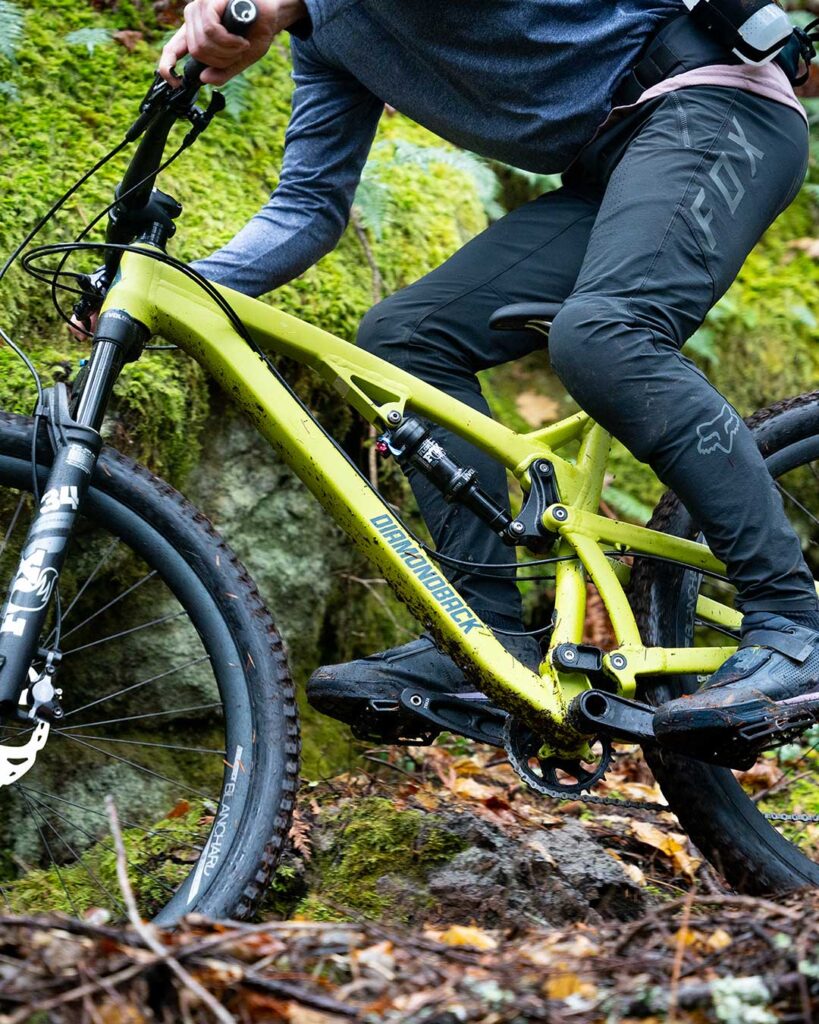
Level Link suspension
On models like the Release and Catch, Diamondback’s Level Link suspension aims at the same basic goal as most modern multi-link designs: traction, support, and a bike that climbs without feeling like a trampoline.
What riders usually notice:
- good grip when climbing techy terrain
- less pedal bob than older trail bikes
- supportive feel when pumping rollers or pushing corners
- a balanced “not too plush, not too harsh” character when set up right
It’s not marketed as magic. It’s just a solid trail suspension layout that works.
Aluminum frame competence
This is one of Diamondback’s quiet strengths. They’ve spent decades building aluminum bikes that feel sturdy without riding like scaffolding.
A good Diamondback alloy frame tends to be:
- torsionally stiff where you want it (front end, BB area)
- comfortable enough for long rides
- less precious than carbon in real-world ownership
- easier to justify for riders who don’t want to baby their bike
E-bike systems: don’t get cute
Diamondback’s better e-bikes lean on established motor ecosystems like Bosch and Shimano where possible — which matters for service, parts, and long-term ownership.
For most riders, “reliable and supported” beats “experimental and unknown,” especially with e-bikes.
Spec choices that don’t feel like a trap
Diamondback usually builds bikes with component mixes that make sense:
- SRAM Eagle or Shimano Deore-level drivetrains
- hydraulic brakes that can actually stop you on long descents
- droppers on trail bikes where a dropper is basically mandatory now
- tires and contact points that aren’t instantly throwaways
You may not always get boutique parts, but you usually get usable parts.
Lineup Snapshot
Diamondback’s range is broad, but the brand makes the most sense when you look at it as a few “lanes” rather than a massive menu.
Trail and mountain
Release / Catch / hardtails (like the Sync’r and Overdrive lines) tend to cover:
- modern trail riding
- weekend singletrack
- riders who want capability without full race-bike pricing
The Release has been the “known quantity” for Diamondback trail bikes: approachable, confident, and genuinely fun when you push it.
Gravel and endurance road
Haanjo is one of those names you see often for a reason: it hits the sweet spot for riders who want gravel ability without turning the bike into a sluggish tank.
These bikes are often bought by people who:
- commute during the week
- ride dirt roads on weekends
- want one bike that doesn’t care what the route turns into
E-bikes
Diamondback’s e-bike lane is generally aimed at:
- commuters who want assistance without a scooter vibe
- riders who want to keep up with stronger groups
- people who want trail access without turning rides into suffering sessions
When done right, Diamondback’s e-bikes feel like extensions of their normal bikes — not separate “electric appliances.”
Hybrid and fitness
This is where Diamondback stays very practical. These bikes are for:
- getting back into riding
- daily errands
- “I want something simple that fits my life”
And honestly, that’s a lot of the market.
How Diamondback Bikes Tend to Ride
Diamondback’s general ride vibe is stable and friendly, not razor-edged and nervous.
Handling
Most Diamondbacks lean toward confidence:
- predictable steering
- planted cornering
- geometry that doesn’t punish newer riders
Even when the bikes get more aggressive, they typically feel “manageable” rather than extreme.
Comfort
Diamondback usually spec’s bikes in a way that helps comfort without calling it comfort:
- sensible tire widths
- not-too-stiff seat zones
- upright-ish fit on hybrids and commuters
- endurance geometry where it matters
Reliability
This is where the brand earns a lot of its loyalty. Even people who “upgrade out” of Diamondback later often remember them as bikes that:
- held up
- didn’t constantly need attention
- took normal abuse without drama
Who Diamondback Usually Fits Best
Diamondback makes the most sense for riders who want real performance without the boutique mindset.
It’s a strong match if you’re:
- getting serious about trail riding but not trying to race
- buying your first “real” gravel bike
- commuting and want a bike that won’t feel flimsy
- shopping value-first but refusing to buy junk
- looking for an e-bike with serviceable, proven systems
Less ideal if you’re:
- chasing the lightest possible build at any cost
- buying for prestige, not riding
- the type who wants endless custom paint, configurators, and boutique detail
The Tradeoffs
What Diamondback does well
- price-to-performance is usually strong
- aluminum bikes are a real highlight
- trail geometry tends to be approachable and confidence-building
- parts choices usually feel practical, not deceptive
- the bikes are easy to live with day to day
Where Diamondback can fall short
- carbon options exist, but the brand isn’t “carbon-first”
- some builds can be heavier than similarly priced competitors
- availability can be uneven depending on model and season
- it doesn’t carry the “elite” aura some riders want (if that matters to them)
How It Stacks Up Against Similar Brands
Diamondback usually lives in the same shopping conversation as:
- Giant (value + scale + availability)
- Canyon (strong spec value but more DTC logistics)
- Trek/Specialized entry and mid tiers (great support networks, often pricier)
Diamondback’s niche is that it feels American, practical, and straightforward — a brand that wants you riding rather than overthinking.
Closing Thoughts
Diamondback has been around long enough to mean something, but it hasn’t tried to survive by selling only nostalgia. It’s stayed relevant by doing what a lot of riders actually need: making bikes that feel capable and modern without turning the purchase into a financial event.
In 2026, a Diamondback still feels like what it’s always been at its best: a real bike for real riding, priced for people who aren’t trying to cosplay as pros.
If you want, send the brand you want next (or tell me which Diamondback category you’re writing for — MTB, gravel, commuter, e-bike) and I’ll match this exact voice.
Related Content:
- Best E-Bike Brands
- Best Mountain Bike Brands
- Polygon Bikes Review
- Schwinn Bikes Review
- How To True a Wheel
Why Trust This Review?
BestBikeBrands is built by lifelong cyclists with decades of real-world experience — in the shop, on the trail, and behind the wrench. Our goal is simple: to help riders choose the best bikes and gear with confidence, backed by expert insights and hands-on testing. Learn more about us →