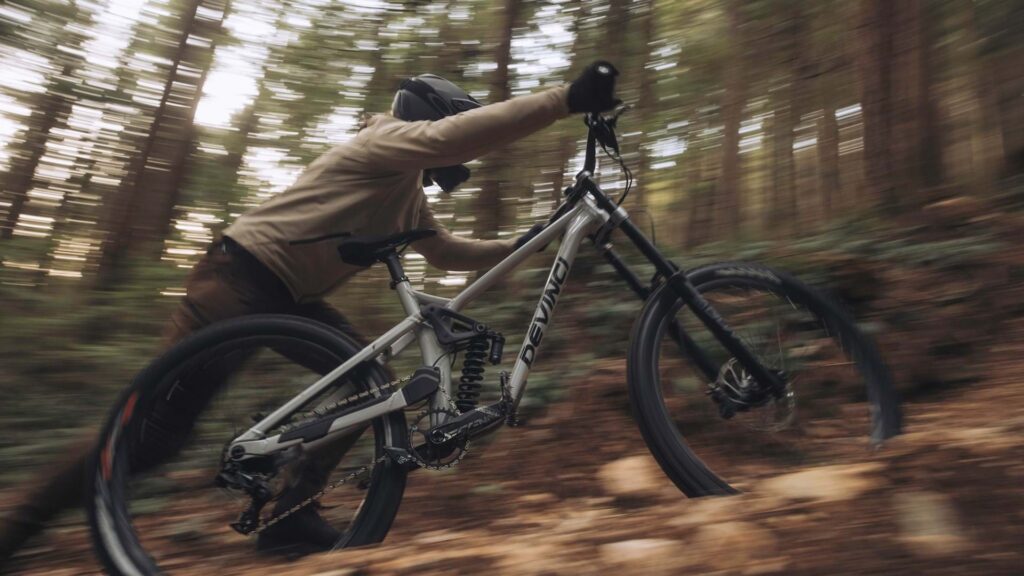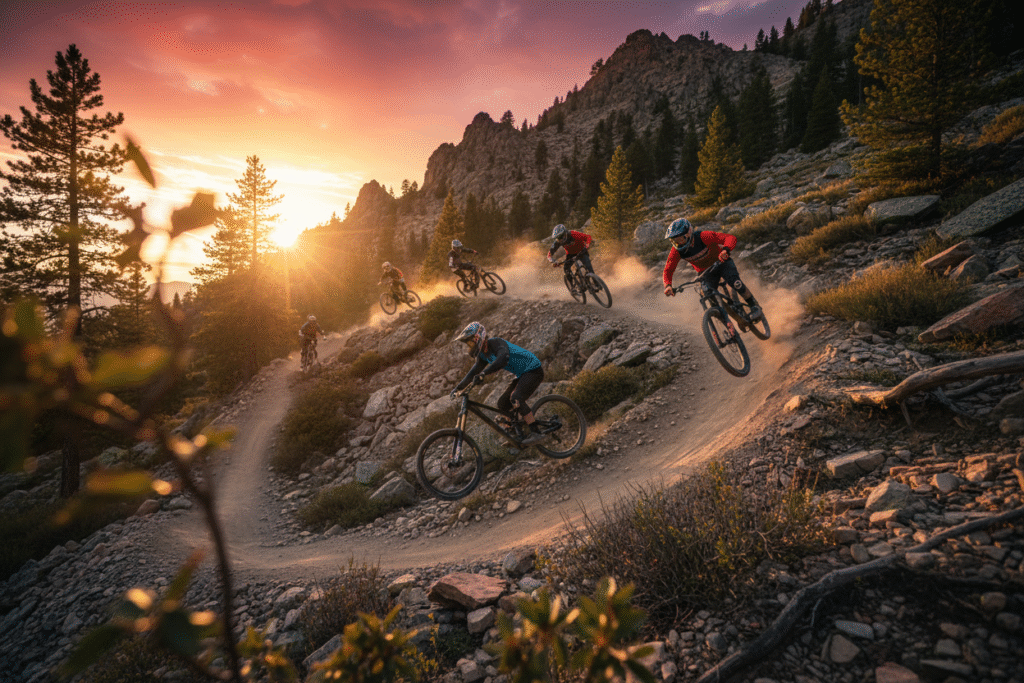
Few bike brands manage to balance innovation, durability, and everyday rideability as consistently as Norco. Long before “progressive geometry” became a marketing phrase, Norco was quietly building bikes around real terrain, real riders, and real use cases. Born in British Columbia and shaped by some of the roughest riding conditions in North America, the brand has always felt grounded—less about hype, more about how a bike actually behaves once the trail turns technical or the ride goes longer than planned.
By 2026, Norco sits in a confident place within the cycling world. It’s no longer just a “mountain bike brand,” though that DNA still runs deep. The lineup now spans aggressive enduro machines, accessible trail bikes, well-thought-out commuters, and a growing range of e-bikes that feel purpose-built rather than trend-driven. Across all categories, the throughline is clear: geometry matters, fit matters, and bikes should feel predictable under pressure.
Whether you’re descending steep singletrack, navigating daily city traffic, or loading up for mixed-surface exploration, Norco’s bikes tend to feel composed, intuitive, and thoughtfully designed—qualities that don’t always show up on a spec sheet but matter enormously once you’re riding.
Brand Overview
Norco Bicycles was founded in 1964 in Port Coquitlam, British Columbia, by Bert Lewis. That alone sets it apart from many modern brands—Norco didn’t appear during the carbon boom or the e-bike surge. It’s been around long enough to see road cycling, BMX, mountain biking, and electric assist all rise and evolve.
In its early years, Norco focused on practical road and touring bikes, built for durability and daily use. As BMX and mountain biking emerged, Norco was quick to adapt, becoming one of the first Canadian companies to take off-road riding seriously. The proximity to BC’s trails wasn’t just a branding advantage—it became a testing ground that shaped how Norco engineers thought about geometry, suspension, and long-term reliability.
Today, Norco remains headquartered in British Columbia, and that geographic consistency still shows in the bikes. The brand doesn’t chase extremes for the sake of it. Instead, it builds bikes meant to be ridden hard, maintained over time, and trusted in unpredictable conditions.
At a Glance
- Founded: 1964
- Location: Port Coquitlam, BC, Canada
- Founder: Bert Lewis
- Core focus: Trail, enduro, downhill, and e-MTB platforms
- Design philosophy: Ride Aligned™—geometry and suspension tuned around real rider data
Norco’s catalog is broad, but it never feels scattered. Mountain bikes remain the centerpiece, with urban, fitness, and electric models filling out the edges for riders who want the same thoughtful design in less aggressive contexts.
Design Philosophy: Ride Aligned™, Explained
Norco’s Ride Aligned™ system is often mentioned, but it’s worth unpacking what it actually means in practice—because it’s more than a buzzword.
Geometry Built Around Bodies, Not Just Sizes
Instead of scaling frames up and down proportionally, Norco designs each frame size with its own geometry targets. Reach, stack, seat tube angle, and suspension leverage curves are adjusted so that a smaller rider doesn’t end up with a drastically different ride feel than a larger one.
The goal is consistency. A size small and a size large should descend, climb, and corner with the same balance—not feel like entirely different bikes.
Size-Specific Suspension Kinematics
On many Norco full-suspension models, suspension leverage curves are tuned by size. This helps maintain similar shock performance across the range, accounting for rider weight distribution and center of gravity.
In practice, this means:
- more predictable suspension behavior
- better small-bump sensitivity for lighter riders
- improved support for heavier riders without harshness
Fit as Part of the Design Process
Norco also provides a body position calculator that helps riders dial in cockpit setup and sizing choices. It’s not a gimmick—it reflects how seriously the brand treats fit as a performance variable, not an afterthought.
Frame Materials and Engineering
Norco takes a pragmatic approach to materials, choosing carbon, aluminum, or a mix of both depending on the bike’s intent.
Carbon Where It Counts
Carbon frames are engineered with targeted stiffness zones:
- reinforced head tubes for steering precision
- stiff bottom brackets for power transfer
- controlled flex in seat stays for compliance
Norco isn’t chasing the lightest frame at all costs. The carbon bikes tend to prioritize ride feel and durability over headline weight numbers.
Aluminum Done Right
Norco’s aluminum frames deserve mention. They’re not just budget placeholders—they’re thoughtfully designed, hydroformed, and finished to handle long-term abuse. For riders who value toughness or ride in harsh conditions, the alloy options often make more sense than carbon.
Cable Routing and Serviceability
By 2026, internal routing across Norco’s lineup has become fully guided, making cable swaps and maintenance far less frustrating than older internal designs. It’s a small thing, but it speaks to a larger philosophy: bikes should be ridden and serviced, not babied.
The Norco Lineup
Norco’s catalog is deep, but a few models define the brand’s identity.
Norco Sight
Category: All-mountain / trail
Travel: 150mm rear / 160mm front
The Sight is Norco’s most versatile bike and, for many riders, the one that makes the most sense. It climbs efficiently enough for long days, but still feels confident when trails get steep or fast.
What stands out is how balanced it feels. It doesn’t push you into an aggressive stance unless you ask it to, and it doesn’t feel nervous at speed. The Ride Aligned geometry really shines here, making the bike feel intuitive across a wide range of terrain.
Norco Range
Category: Enduro / big mountain
Travel: 170mm rear / 180mm front
The Range is unapologetically built for descending. Long, slack, and extremely stable, it’s designed for riders who prioritize speed and confidence when things get steep and rough.
Despite the travel, it climbs better than expected thanks to well-tuned anti-squat and a supportive mid-stroke. It’s not a lightweight, but it doesn’t feel like a liability on the way up either.
Norco Fluid FS
Category: Trail / downcountry
Travel: 130mm rear / 140mm front
The Fluid FS is often described as a value bike, but that undersells it. It’s one of the most accessible ways into modern trail geometry without giving up capability.
For beginners and intermediate riders, it offers room to grow. For experienced riders, it delivers a fun, efficient ride without unnecessary complexity.
Norco Shore
Category: Freeride / park
Frame: Aluminum
The Shore is pure North Shore energy. Overbuilt, coil-compatible, and designed to take repeated hits, it’s a reminder that Norco still understands gravity riding at its roots.
This isn’t a bike for everyone—but for the riders it’s meant for, there’s nothing subtle about it, and that’s the appeal.
Urban and E-Series Models
Norco’s urban, commuter, and VLT e-bike lines don’t get as much attention, but they carry the same design logic.
- stable, upright geometry
- practical component choices
- clean integration of motors and batteries
The e-bikes, in particular, avoid the overly bulky feel that plagues many competitors. They ride like bikes first, with assistance layered in naturally.
Ride Quality and Trail Feel
Climbing
Norco bikes climb with consistency rather than urgency. Suspension designs minimize pedal bob without feeling locked out, maintaining traction on loose or technical climbs.
Descending
Descending is where Norco’s geometry work really shows. The bikes feel centered and predictable, encouraging commitment rather than hesitation. Even at speed, the handling remains calm.
Overall Feel
There’s a sense of restraint in how Norco bikes are tuned. They don’t feel hyper-stiff or overly damped. Instead, they strike a middle ground that works across long rides and varied terrain.
Ownership Experience
Norco’s dealer network is particularly strong in Canada and the Pacific Northwest, and support across North America is generally reliable.
Warranty and Support
- Lifetime frame warranty for original owners
- Straightforward crash replacement programs
- Strong parts availability for older models
Norco’s reputation for standing behind its products is one of the reasons riders tend to stick with the brand over multiple bike generations.
Strengths
- Deep mountain biking heritage rooted in real terrain
- Ride Aligned™ geometry delivers consistent handling across sizes
- Broad lineup without diluting brand identity
- Strong price-to-performance balance
- Reliable dealer and warranty support
Limitations
- Brand recognition still stronger in North America than globally
- Some builds prioritize durability over weight
- Conservative aesthetics won’t appeal to everyone
- Limited factory customization options
Where Norco Fits Today
Norco occupies a space that’s increasingly rare: a technically serious brand that doesn’t feel obsessed with trend-chasing. The bikes feel purposeful, built to be ridden hard, maintained over time, and trusted in unpredictable conditions.
In 2026, Norco continues to reflect the terrain that shaped it—wet roots, long climbs, steep descents, and riders who value confidence over flash. From the approachable Fluid to the hard-charging Range, the lineup feels cohesive and honest.
If you want a bike that works with you rather than demanding constant adaptation, Norco remains one of the most grounded and rider-focused choices available.
FAQs
What is Norco’s Ride Aligned™ System?
It’s a design philosophy that matches geometry, suspension, and fit for each frame size — ensuring all riders experience consistent balance and handling.
Are Norco bikes made in Canada?
Frames are manufactured overseas but designed, tested, and assembled in British Columbia.
Is Norco a good beginner brand?
Yes — the Fluid and Indie lines are perfect entry points with great value and easy ride characteristics.
How does Norco compare to brands like Trek or Specialized?
Norco often offers similar technology and performance at a lower price point, with a more boutique, rider-driven approach.
Related Content:
- Trek vs Norco
- Best Mountain Bike Brands
- Trek vs Specialized
- Rocky Mountain Bikes Review
- Yeti Bikes Review
Why Trust This Review?
BestBikeBrands is built by lifelong cyclists with decades of real-world experience — in the shop, on the trail, and behind the wrench. Our goal is simple: to help riders choose the best bikes and gear with confidence, backed by expert insights and hands-on testing. Learn more about us →